




Petroleum Engineer
Petroleum engineers design and develop methods for extracting oil and gas from reservoirs. They work on drilling plans, optimize production techniques, and ensure safe and efficient recovery of resources.
Petroleum Engineer
Key Skills: Reservoir modeling, drilling operations, production optimization.
Work Areas: Exploration, drilling, and production companies.

Chemical Engineer
Chemical engineers apply chemistry, physics, and math to convert raw hydrocarbons into usable products like fuels, lubricants, and petrochemicals. They also improve refining processes and environmental safety.
Chemical Engineer
Key Skills: Process design, simulation software, reaction engineering.
Work Areas: Refineries, petrochemical plants, research labs.

Mechanical Engineer
Mechanical engineers design, build, and maintain machinery used in drilling, refining, and transporting oil & gas. They ensure equipment reliability and efficiency in extreme environments.
Mechanical Engineer
Key Skills: CAD design, thermodynamics, maintenance engineering.
Work Areas: Offshore rigs, refineries, equipment manufacturers.

Electrical Engineer
Electrical engineers develop and maintain electrical systems for rigs, refineries, and production facilities. They play a key role in automation, power distribution, and safety systems.
Electrical Engineer
- Key Skills: Power systems, control systems, automation, PLCs.
- Work Areas: Offshore platforms, onshore facilities, pipeline infrastructure.
Civil / Structural Engineer
Civil and structural engineers design and oversee the construction of infrastructure such as rigs, pipelines, refineries, and storage facilities. They ensure structures are safe, durable, and compliant with regulations.
Civil / Structural Engineer
Key Skills: Structural analysis, project management, materials engineering.
Work Areas: Offshore platforms, pipelines, storage tanks, terminals.

Subsea Engineer
Subsea engineers specialize in the design, installation, and maintenance of equipment that operates below the ocean surface. They handle pipelines, wellheads, and production systems in deepwater fields.
Subsea Engineer
Key Skills: Subsea systems design, hydraulics, robotics (ROVs).
Work Areas: Deepwater drilling, offshore production facilities.
- All Post
- Careers & Growth
- Education & Training
- Lifestyle & Community
- Safety & Sustainability
- Salaries & Market Insights
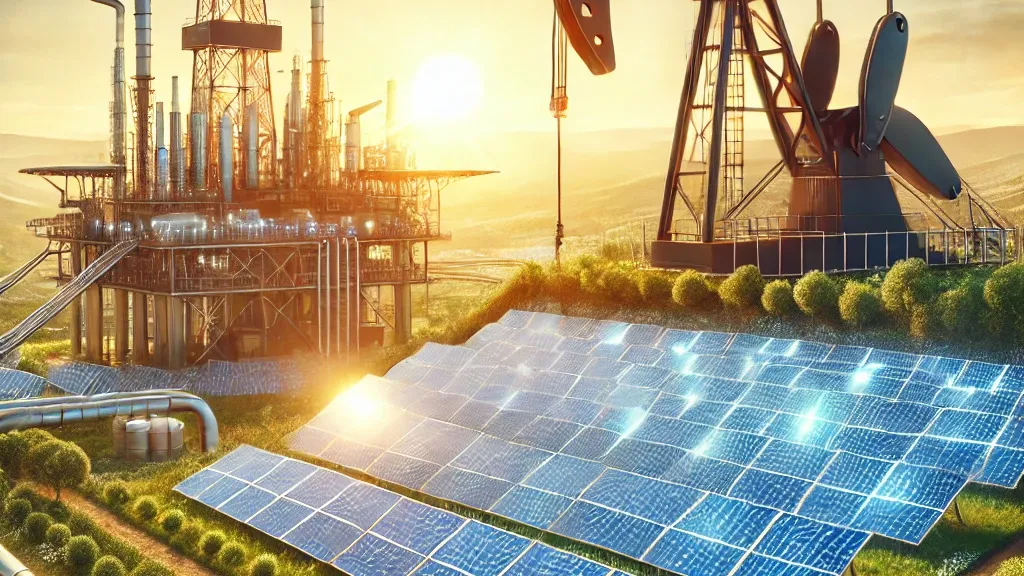
The global energy industry is undergoing its most significant transformation in more than a century. As countries race toward net-zero targets and companies invest heavily in renewable technologies, one question...
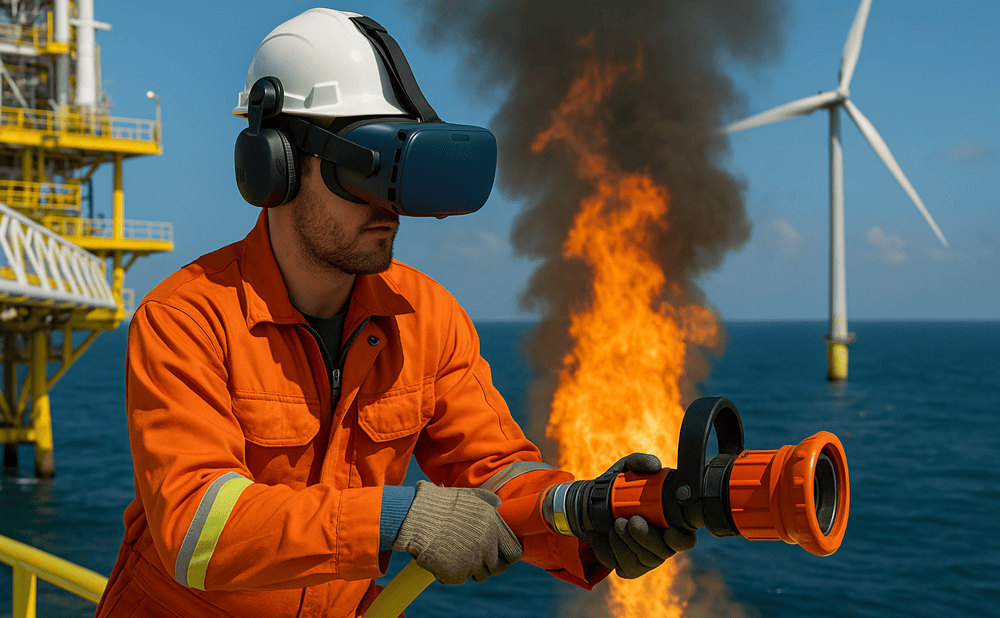
Offshore energy whether oil & gas, subsea construction, or offshore wind has always been an industry defined by high-risk environments and complex operations. Despite significant advancements in engineering, equipment design,...

In a year defined by market turbulence, inflation pressures, geopolitical instability, and shifting monetary policy, one sector continues to outperform expectations: energy equities. Despite uncertainty across global financial markets, energy...

Why Mental Health Matters More Than Ever in Energy The energy industry, whether oil & gas, offshore drilling, power generation, or fast-growing renewable sectors is built on complex operations, high-stakes...
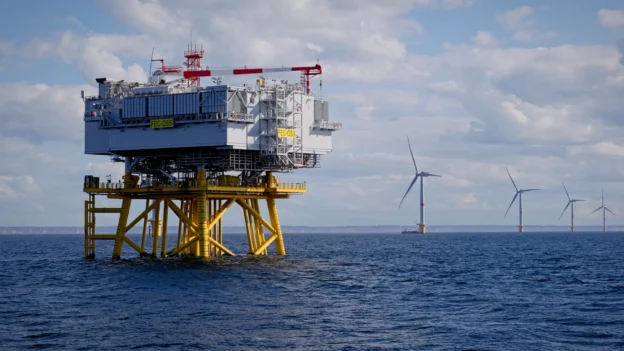
The global energy landscape is undergoing one of the most dramatic transformations in history. For more than a century, oil and gas have powered industries, fueled transportation, and driven economic...
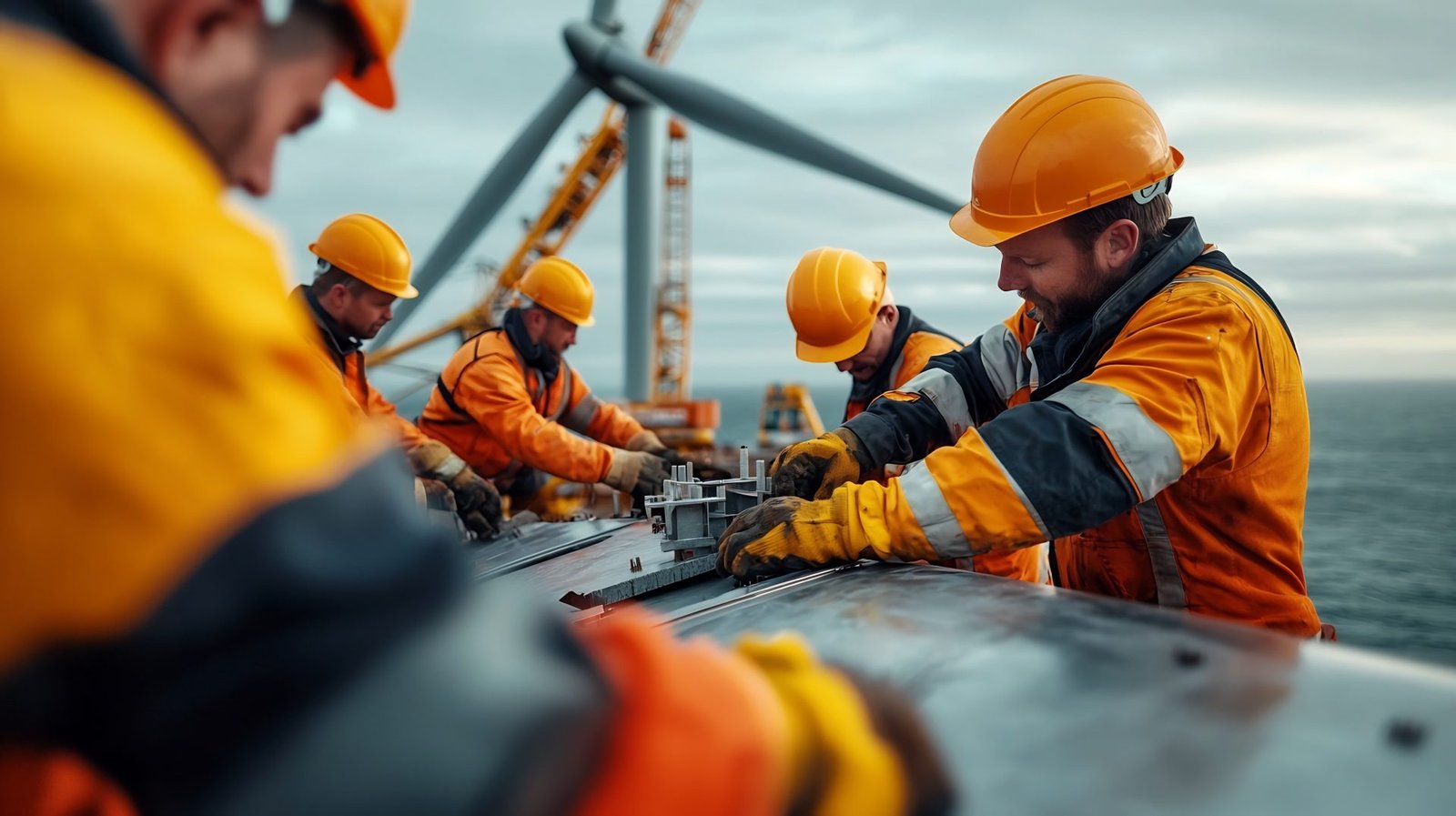
The offshore energy industry encompassing oil, gas, and renewables operates in some of the most complex and hazardous environments on Earth. From powerful machinery and confined spaces to unpredictable weather...
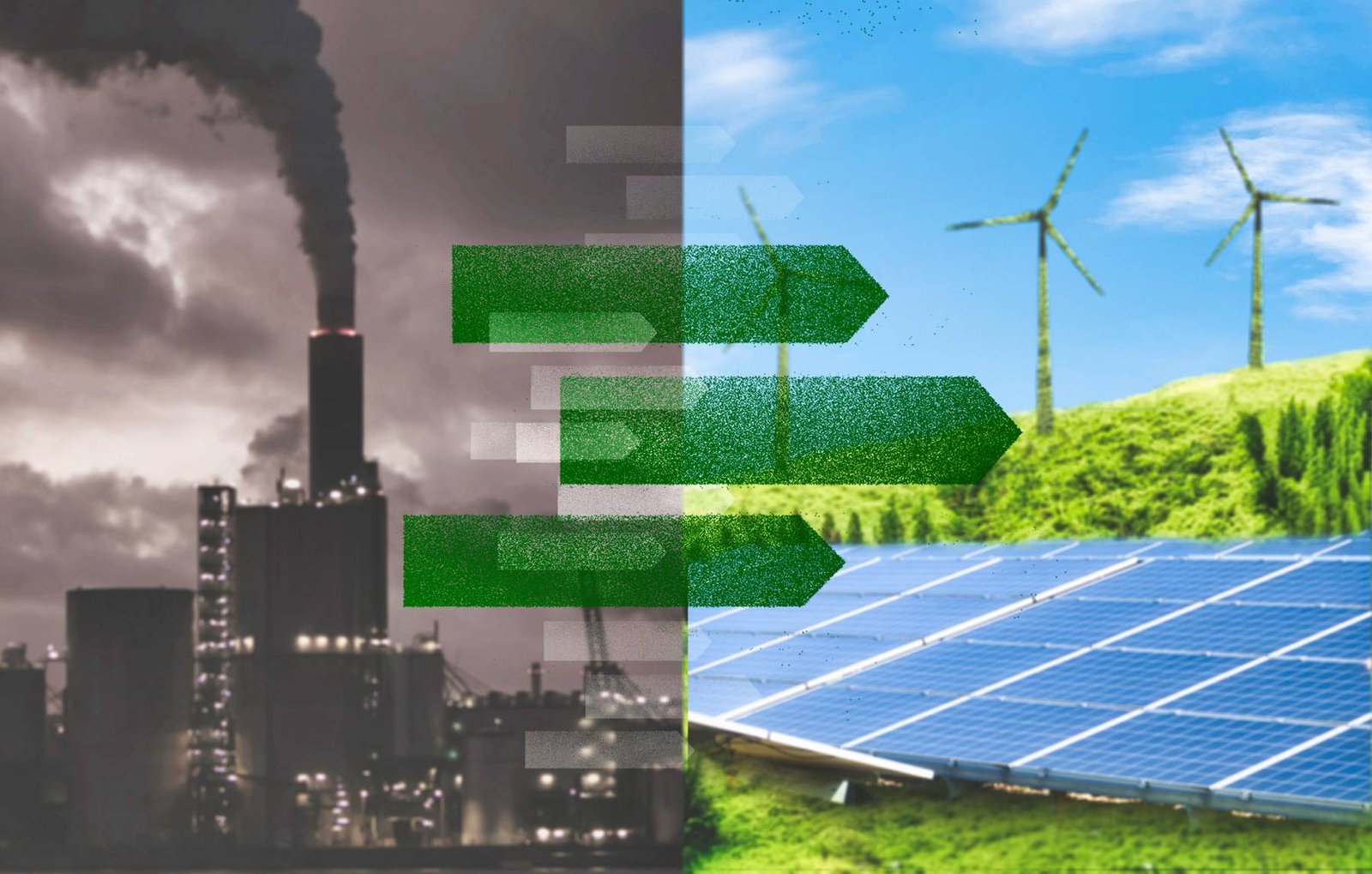
For over a century, oil and gas have powered the global economy fueling transportation, manufacturing, and entire nations. But as climate change, policy reforms, and investor pressure accelerate the demand...
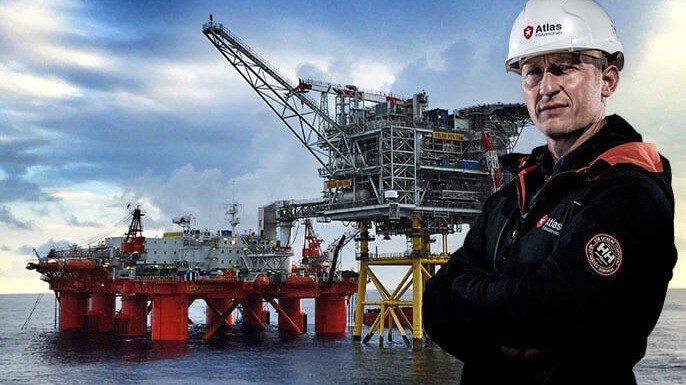
The offshore energy sector from deepwater oil rigs to massive wind farms operates in some of the most challenging environments on Earth. High pressures, heavy machinery, unpredictable weather, and isolation...

Artificial Intelligence (AI) is no longer a futuristic concept in the energy sector, it’s already here, transforming how oil and gas companies explore, produce, refine, and deliver energy. From predictive...