

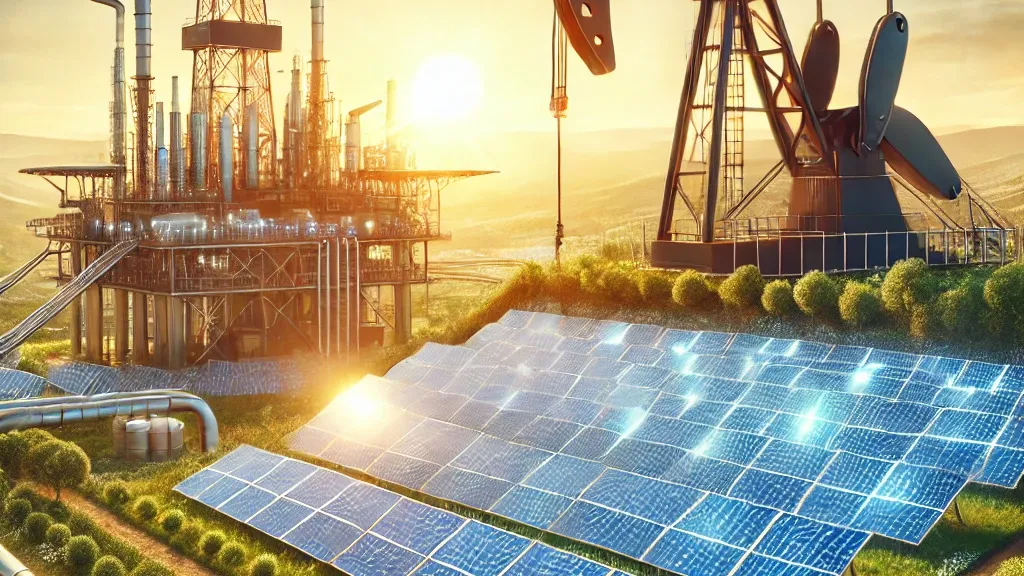
Education & Training for Oil & Gas Careers
Build the knowledge and skills you need to succeed in the oil & gas industry. Explore degrees, certifications, and training programs recognized worldwide.
Education
Building the Foundation for Energy Careers
Success in oil & gas starts with the right knowledge. Explore degrees, certifications, and training programs that prepare you for global opportunities.
Why Education Matters in Oil & Gas
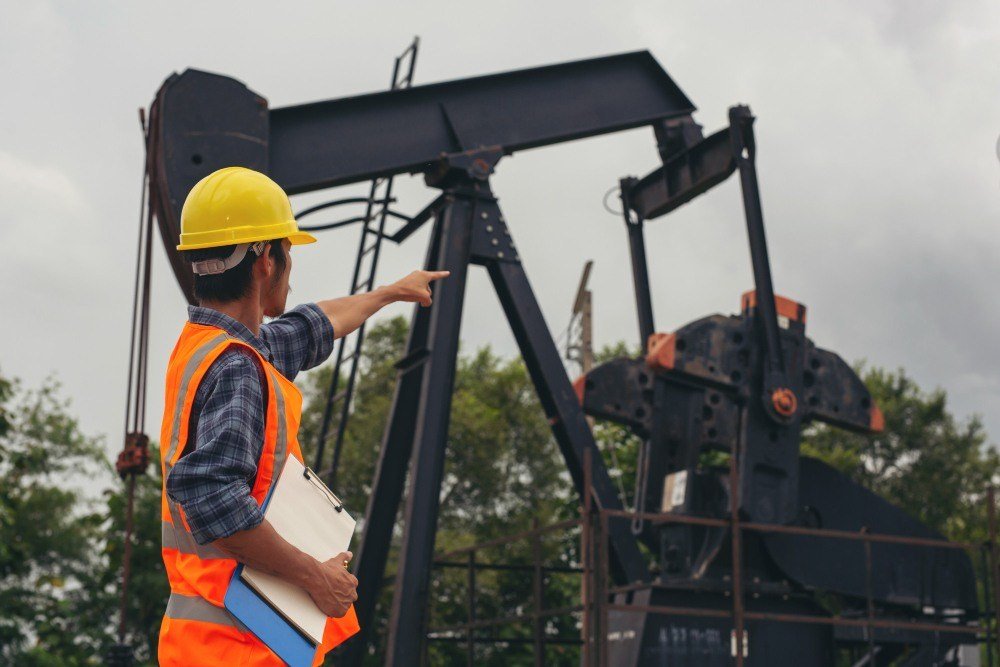
Oil & gas is a technically demanding industry that requires specialized education and continuous learning. From engineering degrees to safety certifications, the right training opens doors to career growth, higher salaries, and global opportunities.
- Strong Foundation: Universities and technical schools prepare students for specialized roles in exploration, production, and safety.
- Career Growth: Certifications and professional development programs help experienced workers move into leadership and specialized roles.
Invest in Education
Invest in Your Future.
Whether you choose university, certification, or online training, every step strengthens your career path in energy.
Where to Study Oil & Gas Programs
Some of the world’s leading institutions for energy-related studies include:
🇺🇸 United States: Texas A&M, University of Houston.
🇬🇧 United Kingdom: Heriot-Watt University, University of Aberdeen.
🇨🇦 Canada: University of Calgary, Memorial University.
🇦🇺 Australia: Curtin University, University of Western Australia.
Middle East: King Fahd University, Petroleum Institute, UAE.
Pathways to Success in Energy Education
University Degrees
A bachelor’s degree in Petroleum, Mechanical, Chemical, Electrical, or Civil Engineering is the most common entry point into technical roles. Increasingly, programs in Energy Management and Environmental Engineering are also in demand, reflecting the industry’s shift toward sustainability.
Certifications
Certifications provide specialized knowledge and are often required for specific jobs. Popular choices include:
BOSIET – Basic Offshore Safety Induction & Emergency Training.
PMP – Project Management Professional, valued for leadership roles.
IWCF Certification – International Well Control Forum, essential for drilling operations.
Technical & Vocational Training
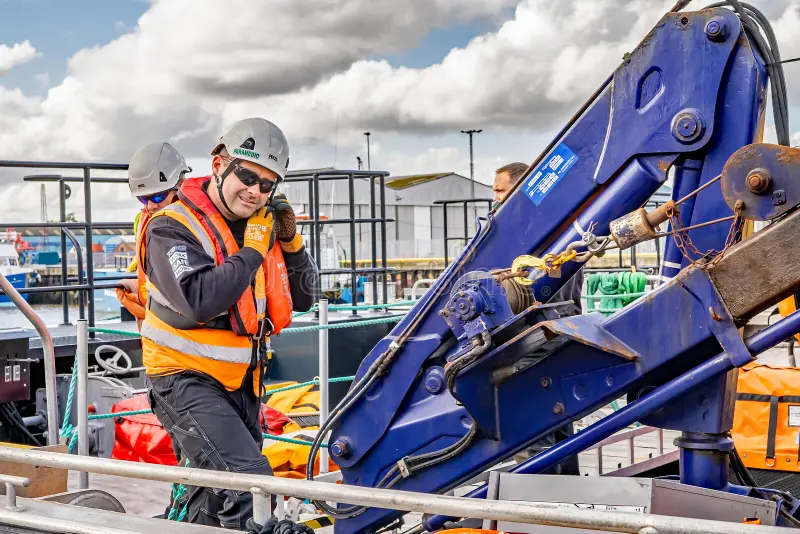
For those interested in hands-on roles like rig operations or equipment maintenance, vocational schools and technical colleges offer practical training. These programs emphasize safety and technical skills, preparing candidates for offshore or entry-level jobs.
Online Learning
With the rise of digital platforms, online courses now offer flexibility for working professionals. Subjects like digital oilfield technologies, safety management, and renewable energy integration allow learners to upskill without leaving their jobs.
Skills Beyond the Classroom
Employers value more than degrees and certificates. To succeed, professionals need:
Digital skills – using engineering software and simulation tools.
Safety awareness – knowledge of compliance and risk management.
Soft skills – communication, teamwork, and leadership in multicultural environments.
Adaptability – readiness to work in offshore, remote, or international settings.
Education and Career Growth
A strong educational foundation can define your career path:
High School → Vocational Training / University Degree → Internship → Entry-Level Role → Professional Certifications → Senior Engineer / Manager.
Education is more than a requirement, it’s an investment in your future. The oil & gas industry is evolving with digitalization and green energy, and those who keep learning will shape its future. Whether through university degrees, certifications, or online learning, your education is the bridge to a world of opportunities.
News & Blogs

The global energy industry is undergoing its most significant transformation in more than a century. As countries race toward net-zero targets and companies invest heavily in renewable technologies, one question...
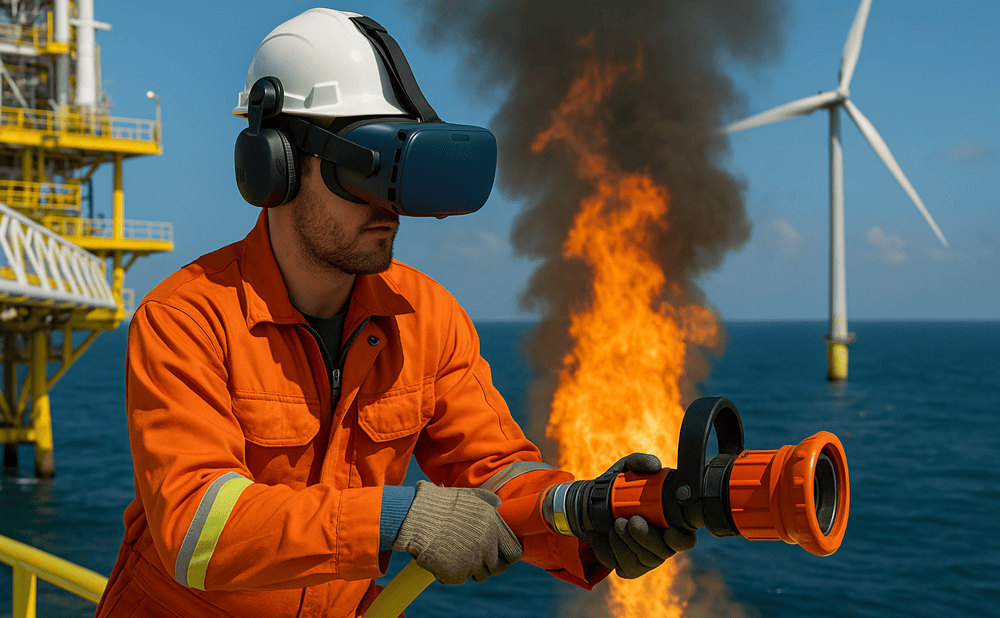
Offshore energy whether oil & gas, subsea construction, or offshore wind has always been an industry defined by high-risk environments and complex operations. Despite significant advancements in engineering, equipment design,...
In a year defined by market turbulence, inflation pressures, geopolitical instability, and shifting monetary policy, one sector continues to outperform expectations: energy equities. Despite uncertainty across global financial markets, energy...

Why Mental Health Matters More Than Ever in Energy The energy industry, whether oil & gas, offshore drilling, power generation, or fast-growing renewable sectors is built on complex operations, high-stakes...
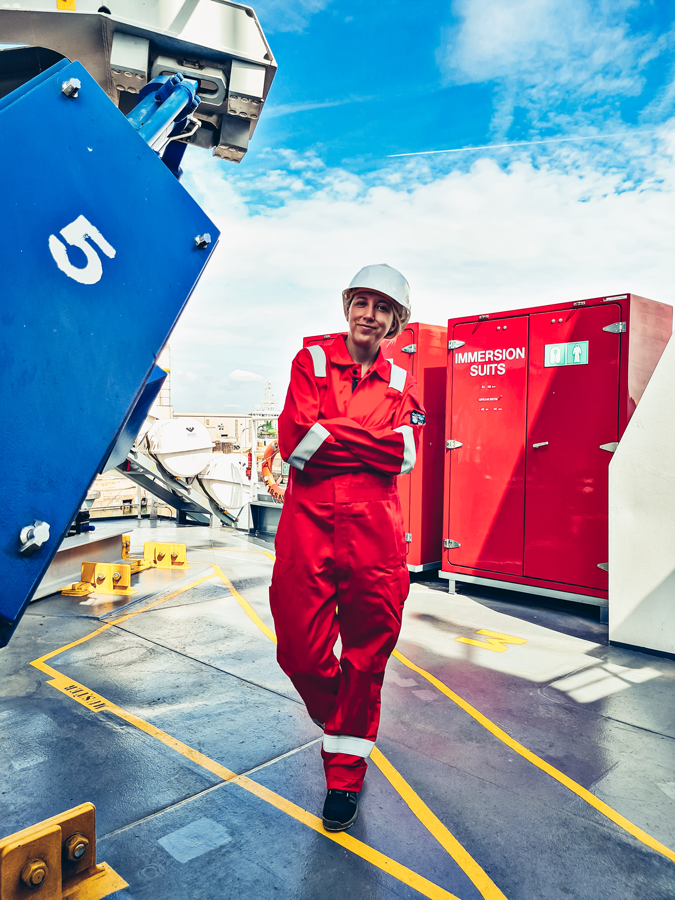
The Foundation of Energy Careers
From degrees to certifications, your learning journey is the key to unlocking global opportunities in oil & gas. Start strong, grow steadily, and shape the future of energy.
FAQ
Find Out Answers Here
Not always. Many technical and offshore roles only require vocational training or certifications. However, engineering and specialist roles typically require at least a bachelor’s degree.
Petroleum, Mechanical, Chemical, Electrical, and Civil Engineering are the most common. Increasingly, Energy Management and Environmental Engineering are also in demand.
Yes. Certifications such as BOSIET, PMP, and IWCF Well Control boost employability and are often mandatory for offshore or supervisory roles.
Absolutely. Many platforms now offer online programs in safety training, project management, and renewable energy integration, making it easier to learn while working.
Top destinations include the United States, United Kingdom, Canada, Australia, and the Middle East, home to leading universities and training institutes.
Employers value problem-solving, safety awareness, leadership, digital software skills (AutoCAD, MATLAB, drilling simulators), and adaptability in international environments.
Education opens doors to entry-level jobs and provides the foundation for career growth into senior engineer, manager, and director roles.
