



The oil and gas industry is competitive and highly technical. Whether you are just starting your career or aiming to move into senior roles, earning industry-recognized certifications can significantly increase your value to employers. Certifications demonstrate your expertise, commitment to safety, and ability to work within international standards.

Basic Offshore Safety Induction and Emergency Training (BOSIET)
BOSIET is one of the most essential certifications for anyone planning to work offshore. It prepares professionals for emergencies at sea and covers survival techniques.
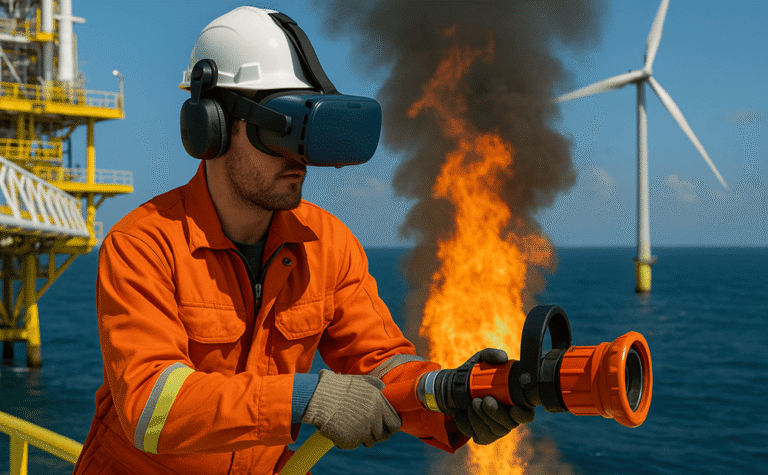
Focus areas: Helicopter safety, sea survival, firefighting, and first aid
Who needs it: Offshore workers, engineers, and contractors
Where to get certified: OPITO Approved Training Providers
IWCF Well Control Certification
The International Well Control Forum (IWCF) certification is globally recognized in drilling and well operations. It ensures that personnel understand well control principles to prevent blowouts and maintain safety.
Focus areas: Drilling operations, well control equipment, pressure control
Who needs it: Drillers, drilling engineers, supervisors
Where to get certified: IWCF Official Site
NEBOSH International General Certificate in Occupational Health and Safety
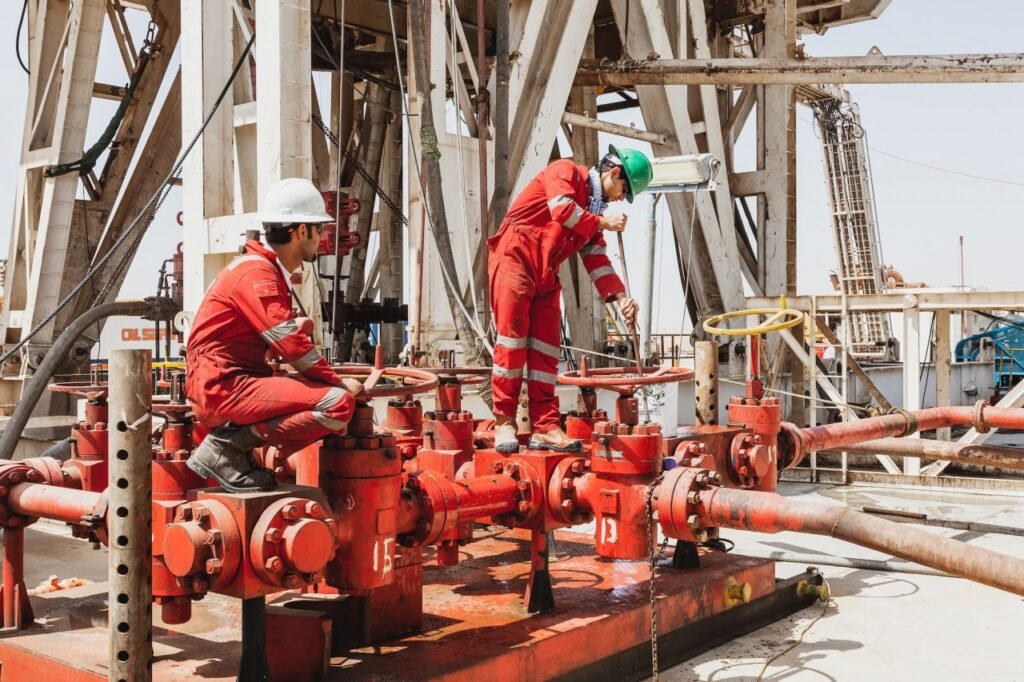
NEBOSH is a respected certification that covers workplace safety and risk management. While not oil and gas-specific, it is widely recognized across the industry.
Focus areas: Risk assessment, hazard management, international safety standards
Who needs it: HSE officers, safety technicians, managers
Where to get certified: NEBOSH Courses
API Certification Programs
The American Petroleum Institute (API) offers multiple certifications relevant to oil and gas professionals. These are designed to ensure quality and safety in equipment, operations, and management.
Focus areas: Welding, pressure vessels, pipeline inspection, quality standards
Who needs it: Engineers, inspectors, quality assurance professionals
Where to get certified: API Certifications

H2S Alive Certification
Hydrogen sulfide (H2S) is a toxic gas commonly found in oil and gas fields. The H2S Alive certification ensures that workers know how to recognize, respond to, and protect themselves from H2S exposure.
Focus areas: Gas detection, respiratory protection, emergency response
Who needs it: Field operators, drilling crews, offshore staff
Where to get certified: Energy Safety Canada
PMP – Project Management Professional
While not specific to oil and gas, the PMP certification is highly valuable for professionals managing complex projects. It demonstrates strong leadership and organizational skills.
Focus areas: Project planning, execution, cost control, risk management
Who needs it: Project managers, engineers, supervisors
Where to get certified: Project Management Institute (PMI)
NACE Coating Inspector Program (CIP)
Pipeline integrity and corrosion prevention are critical in oil and gas. The NACE CIP certification provides expertise in coating inspection and corrosion control.
Focus areas: Coating application, corrosion science, inspection techniques
Who needs it: Pipeline inspectors, maintenance engineers, quality control staff
Where to get certified: AMPP (formerly NACE)
Offshore Medic / OGUK Medical Certification
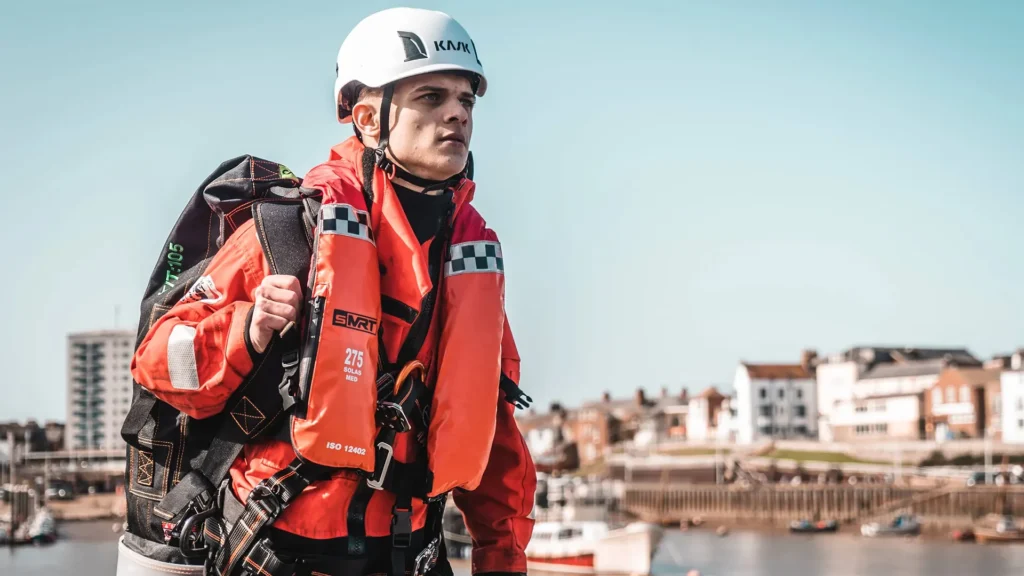
Health and fitness are mandatory for offshore roles. The OGUK medical certification ensures workers meet physical standards required for offshore work.
Focus areas: Physical fitness, vision, respiratory health, cardiovascular checks
Who needs it: All offshore personnel
Where to get certified: OGUK Medical Standards
STCW Basic Safety Training (for Marine Personnel)
For those working on offshore support vessels or marine-related roles, the STCW Basic Safety Training is essential. It ensures compliance with international maritime safety standards.
Focus areas: Firefighting, sea survival, personal safety, first aid
Who needs it: Seafarers, offshore marine crew, logistics staff
Where to get certified: International Maritime Organization (IMO)

In the oil and gas industry, certifications are not just an added advantage, they are often a requirement. From offshore survival training to specialized engineering and safety qualifications, certifications demonstrate your competence and improve your career prospects worldwide.
If you are looking to grow in oil and gas, investing in the right certification can make you more employable, increase your salary potential, and help you stand out in a competitive field.