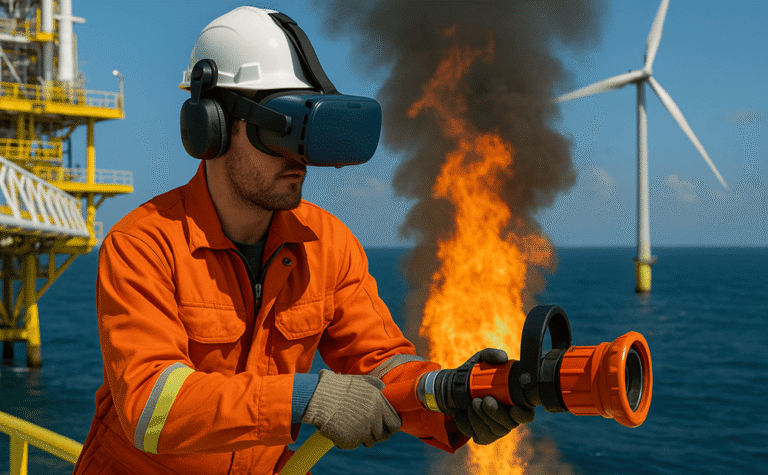



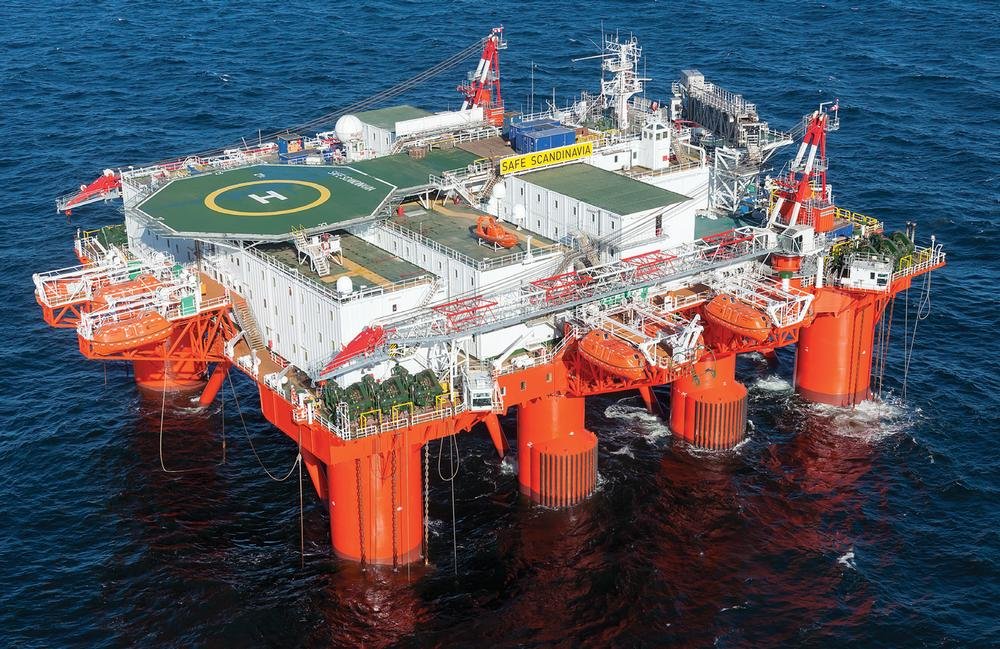

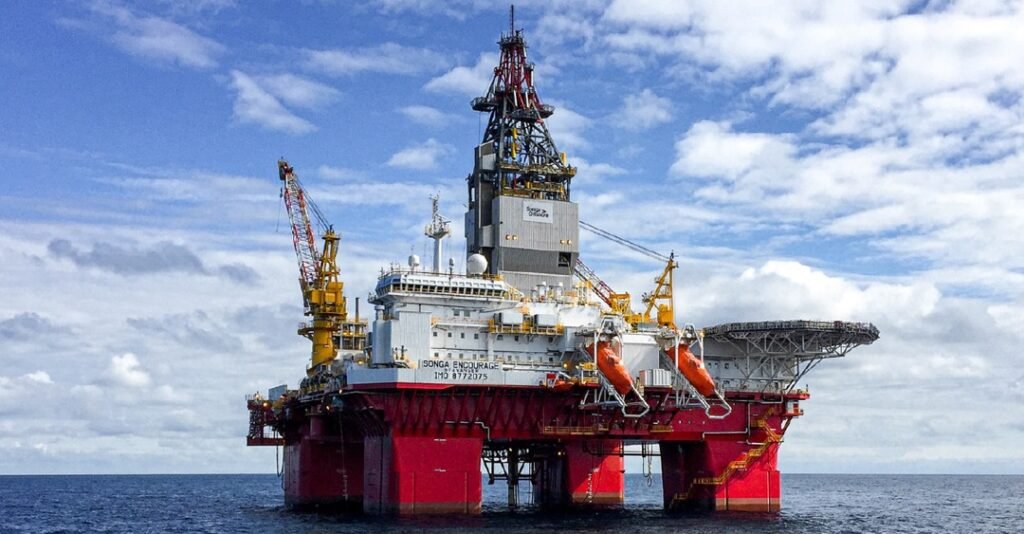
Offshore jobs in the oil, gas, and renewable energy sectors are known for being both demanding and rewarding. Workers face long hours, remote locations, and challenging environments—but in return, they often receive some of the highest salaries in the energy industry.
If you’re considering an offshore career, it’s essential to know which roles pay the most and what qualifications or experience you’ll need to land them.
Offshore Installation Manager (OIM)
Average Salary: $150,000 – $200,000 per year
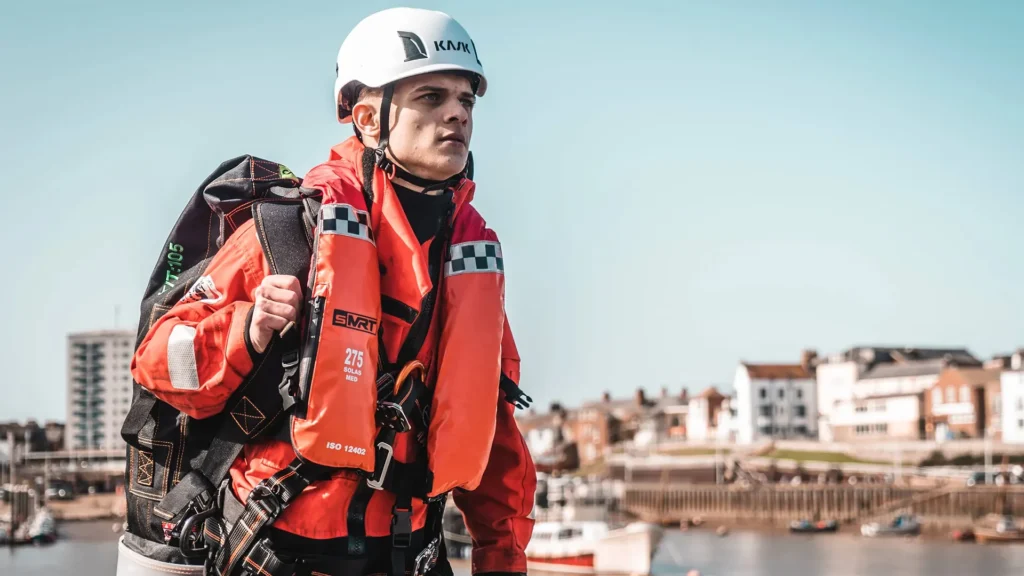
The OIM is essentially the “captain” of an offshore platform, responsible for overseeing all operations, safety, and personnel.
Requirements:
10+ years of offshore experience in supervisory roles
Strong background in drilling or production operations
Certifications in offshore safety (BOSIET, HUET)
Leadership and crisis management skills
Drilling Engineer
Average Salary: $110,000 – $160,000 per year
Drilling engineers design and implement drilling plans to safely and efficiently extract oil and gas.
Requirements:
Bachelor’s degree in petroleum, mechanical, or chemical engineering
Strong understanding of drilling technologies and geology
Offshore well control certification (IWCF or IADC)
Problem-solving and project management skills
Explore drilling engineering programs at Society of Petroleum Engineers.
Subsea Engineer
Average Salary: $120,000 – $170,000 per year
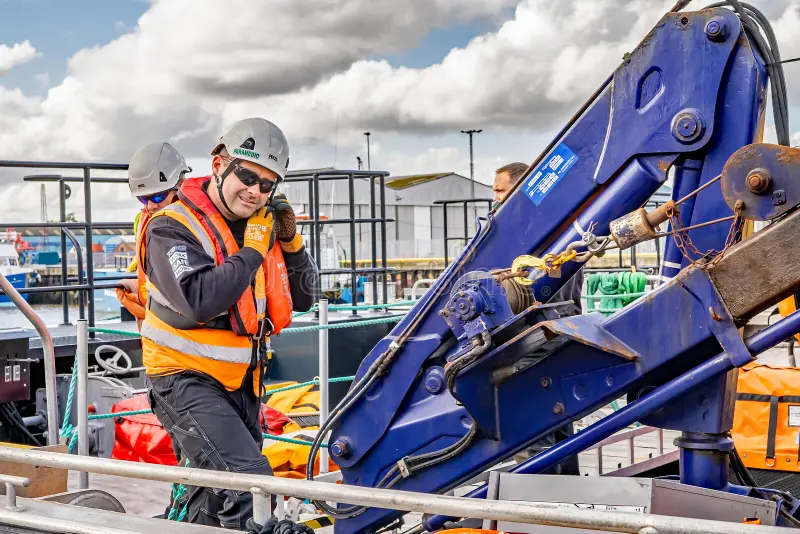
Subsea engineers design, install, and maintain underwater equipment such as pipelines, wellheads, and risers.
Requirements:
Engineering degree in subsea, mechanical, or marine engineering
Knowledge of subsea production systems
Offshore survival and diving safety certifications
Experience with ROV (remotely operated vehicle) operations
Drilling Supervisor (Toolpusher)
Average Salary: $100,000 – $150,000 per year
A toolpusher oversees daily drilling operations, ensuring safety, efficiency, and adherence to company goals.
Requirements:
Several years of offshore drilling experience
IWCF or IADC Well Control certification
Strong leadership and team management abilities
Deep understanding of drilling rig systems
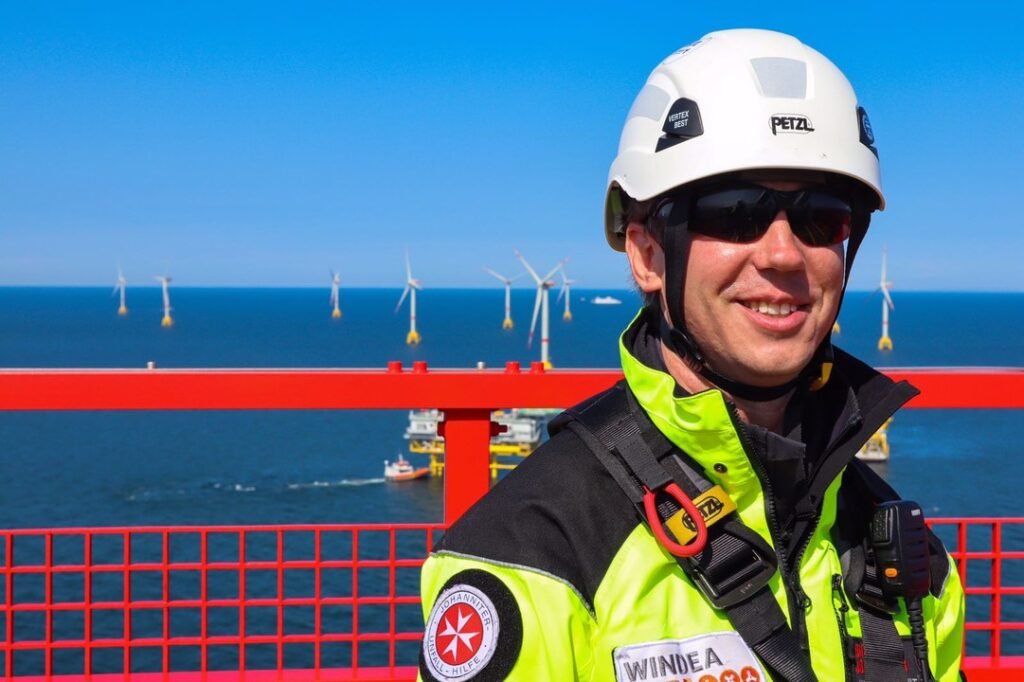
Offshore Medic
Average Salary: $80,000 – $120,000 per year
Medics provide medical care for offshore crews and are critical to maintaining worker health and safety.
Requirements:
Certification as a registered nurse, paramedic, or equivalent
Offshore medical training (e.g., HSE Offshore Medic Course)
Emergency response experience
Strong communication and crisis management skills
Chief Electrician / Electrical Supervisor
Average Salary: $90,000 – $130,000 per year
Electrical supervisors maintain and repair electrical systems on offshore rigs, ensuring operations run smoothly.
Requirements:
Degree or diploma in electrical engineering or related field
Offshore electrical safety certifications
Experience with high-voltage systems
Problem-solving and troubleshooting skills
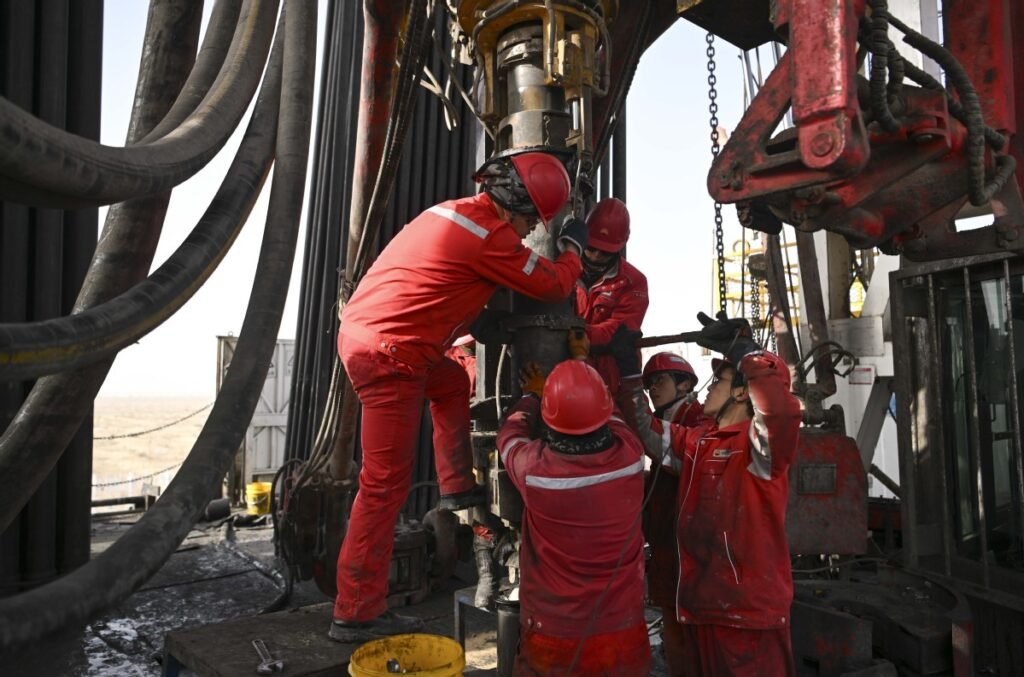
Rig Mechanic
Average Salary: $70,000 – $110,000 per year
Rig mechanics maintain engines, pumps, and drilling machinery to ensure safe and continuous operations.
Requirements:
Technical degree or vocational training in mechanical engineering
Hands-on experience with heavy machinery
Offshore survival and mechanical safety certifications
Ability to work under high-pressure conditions
Commercial Diver
Average Salary: $80,000 – $150,000 per year (varies with projects)
Commercial divers perform underwater inspections, repairs, and construction tasks.
Requirements:
Professional commercial diving certification
Offshore safety and first aid training
Strong physical fitness
Experience with welding or underwater construction is a plus
Production Supervisor
Average Salary: $100,000 – $140,000 per year
Production supervisors oversee the processing of oil and gas once it has been extracted, ensuring efficiency and compliance.
Requirements:
Bachelor’s degree in petroleum, chemical, or process engineering
Extensive production experience
Offshore safety training certifications
Strong leadership and communication skills
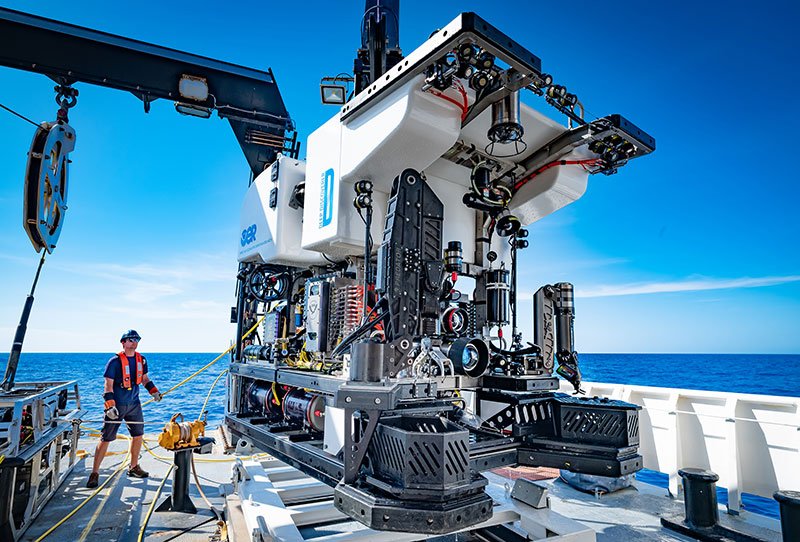
ROV (Remotely Operated Vehicle) Pilot/Technician
Average Salary: $80,000 – $120,000 per year
ROV pilots control underwater robots used for inspections, maintenance, and installations.
Requirements:
Technical training in robotics, electronics, or marine engineering
Offshore ROV certification
Experience with remote piloting and troubleshooting
Strong attention to detail
Offshore careers offer high salaries, but they also require specialized training, resilience, and a strong commitment to safety. From Offshore Installation Managers to ROV pilots, the most lucrative roles often demand years of experience, technical education, and multiple certifications.
If you’re aiming for a high-paying offshore job, investing in the right training and gaining practical field experience is the first step toward success.