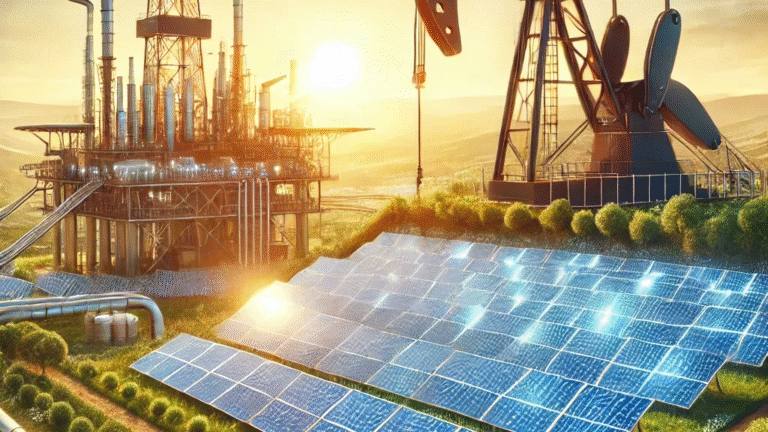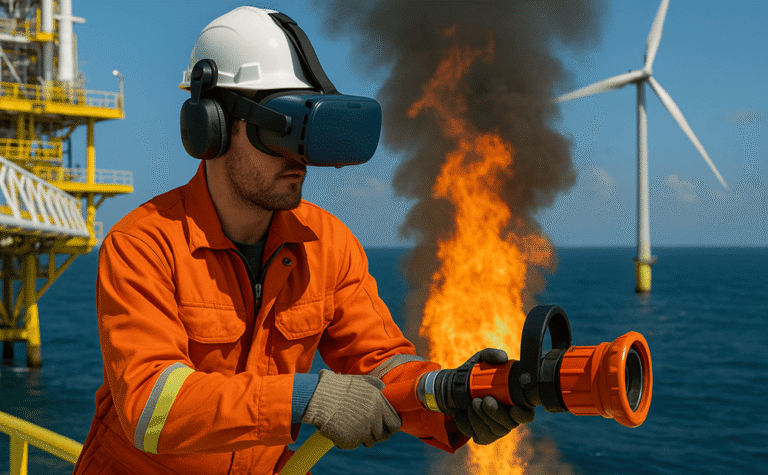



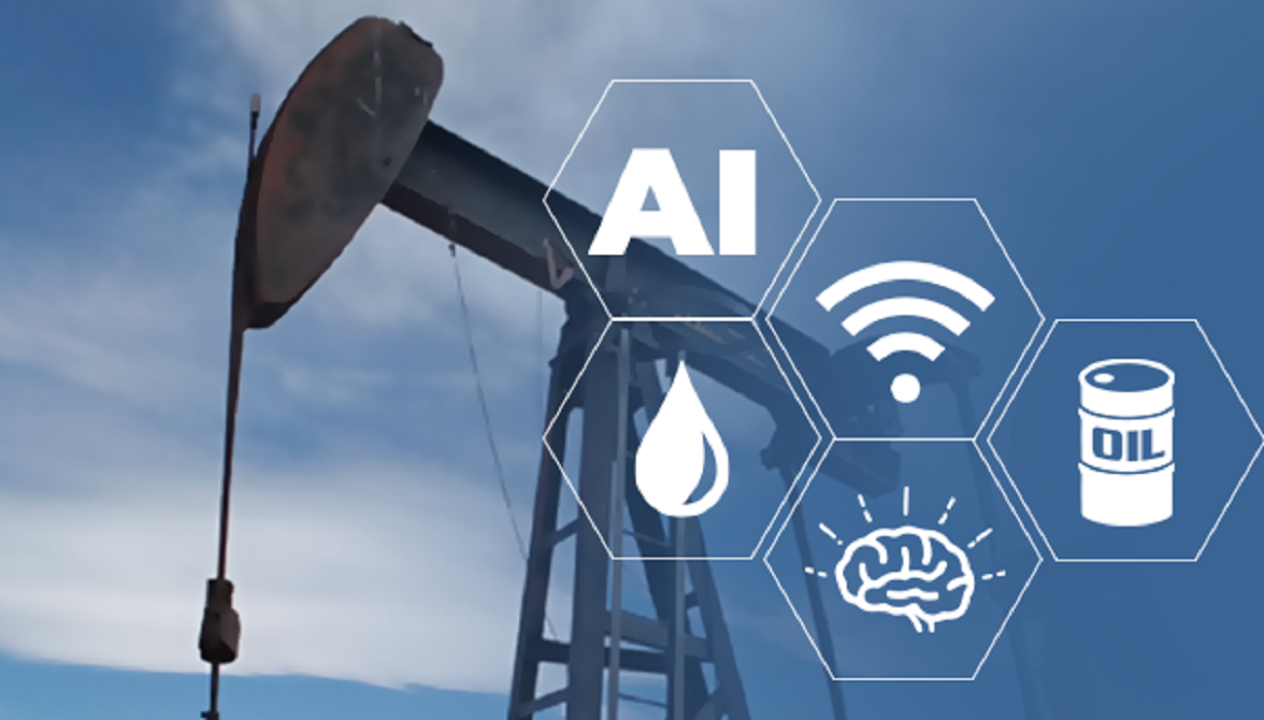

Artificial Intelligence (AI) and automation are transforming the energy sector at a rapid pace. From predictive maintenance in oil and gas operations to AI-driven forecasting in renewable energy, technology is reshaping how the industry operates.
But one question many professionals ask is: Will AI and automation affect salaries in the energy industry?
The answer is not simple. While some jobs may face downward pressure due to automation, others are becoming more valuable as technology adoption increases. Let’s explore the impact.
How AI and Automation Are Used in Energy
AI and automation are no longer futuristic concepts; they’re already part of everyday energy operations.
| Technology | Application in Energy | Example |
|---|---|---|
| Predictive Maintenance | Prevent equipment failures before they occur | AI monitors oil rig pumps |
| Robotics & Drones | Inspect pipelines, wind turbines, and offshore rigs | Drone-based inspection of offshore platforms |
| Smart Grids | Balance supply and demand in real-time | AI optimizes renewable energy storage |
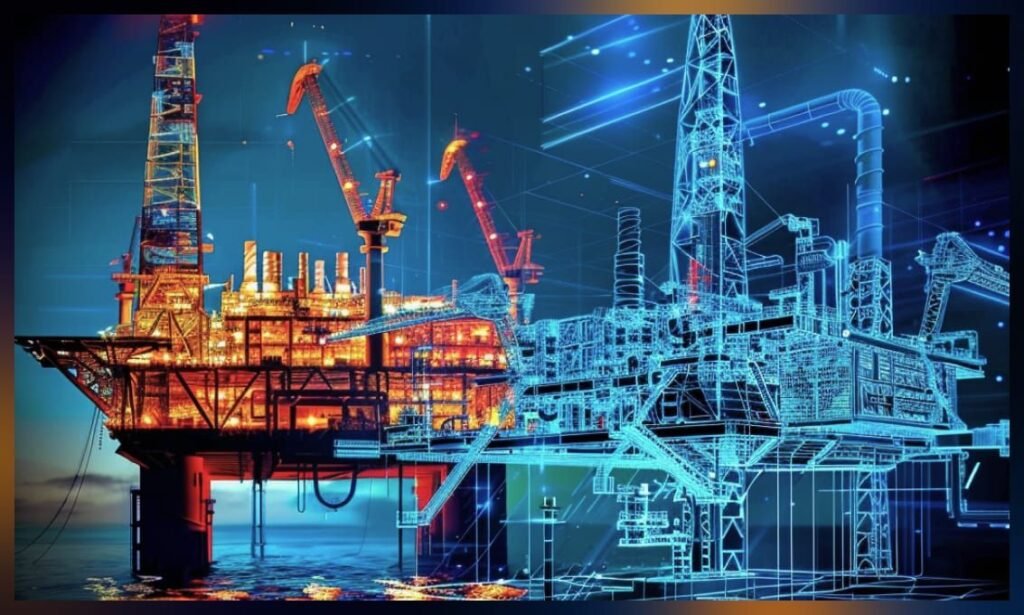
| Digital Twins | Virtual replicas for simulations | Offshore platforms using digital twin tech |
Jobs at Risk of Salary Pressure
Automation tends to impact routine, repetitive, or hazardous tasks, which may lead to reduced demand for certain roles.
Roustabouts and Floorhands: Basic rig maintenance could be handled by robotics.
Pipeline Inspectors: Drones with AI sensors reduce the need for manual checks.
Data Entry Roles: Automated systems can process and analyze information faster.
For these positions, salaries may stagnate or decline as demand decreases.
Jobs That Will See Salary Growth
On the other hand, AI is creating new specialized roles that require technical expertise, which often translates into higher pay.
| High-Demand Role | Why Salaries May Increase |
|---|---|
| Data Scientists in Energy | Needed for AI model development and analysis |
| AI & Automation Engineers | Build and maintain robotics and automation systems |
| Cybersecurity Specialists | Protect digital assets in smart grids and rigs |
| Renewable Energy Analysts | Use AI for demand forecasting and optimization |
Regional Salary Differences
The impact of AI on salaries will vary by region:
USA & Europe: Advanced economies will see higher salaries for AI-skilled roles, but declining pay for low-skill offshore jobs.
Middle East: High investment in automation may reduce manual job demand but boost pay for advanced technical experts.
Developing Countries: Routine energy jobs may remain in demand for longer, delaying salary impact.
Upskilling: The Key to Future Salary Growth
The biggest factor in whether AI helps or hurts your salary is upskilling. Workers who adapt to new technologies will stay in high demand.
Recommended Skills for Energy Professionals:
AI and machine learning basics
Data analytics for energy systems
Robotics operation and maintenance
Cybersecurity in industrial environments

The Long-Term Salary Outlook
Low-skill, repetitive jobs may see stagnant or declining salaries as automation takes over.
High-skill, tech-driven roles will command premium pay.
Hybrid roles (mixing traditional engineering with AI expertise) will see the most growth.
Overall, AI and automation won’t reduce total salary potential in the energy industry, they’ll shift where the money goes.
AI and automation are redefining energy careers, changing the balance between manual labor and technical expertise. While some roles may lose value, professionals who embrace upskilling in AI, robotics, and data analytics will find themselves in high-paying, future-proof careers.
The future of energy salaries depends not on resisting change, but on adapting to it.