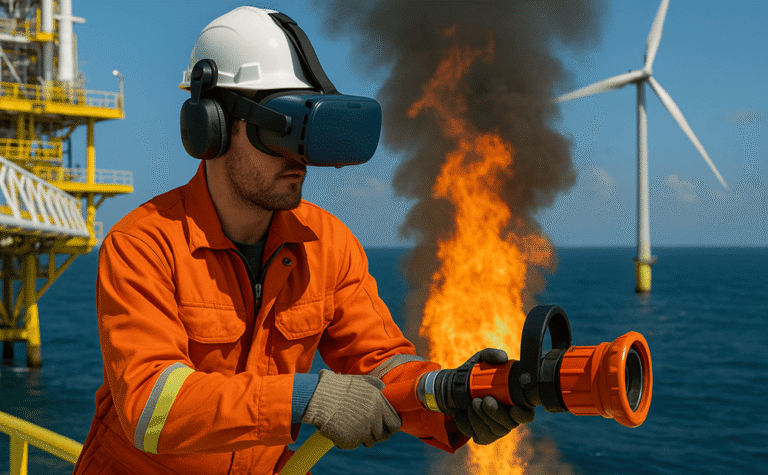



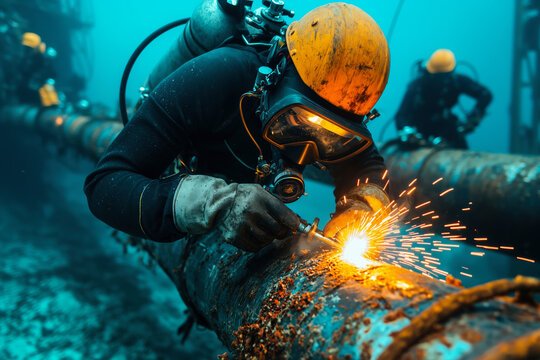

The oil & gas industry thrives on innovation and exploration, often reaching some of the most extreme and remote environments on Earth. Among the most critical yet challenging roles in the industry are Subsea Engineers and Commercial Divers. These professionals are responsible for maintaining, designing, and operating the underwater systems that allow offshore rigs and production facilities to function safely and efficiently.
From installing subsea pipelines to maintaining blowout preventers (BOPs), their work ensures both safety and production continuity. This article explores who they are, what they do, the career paths available, and how you can prepare to become part of this elite workforce.
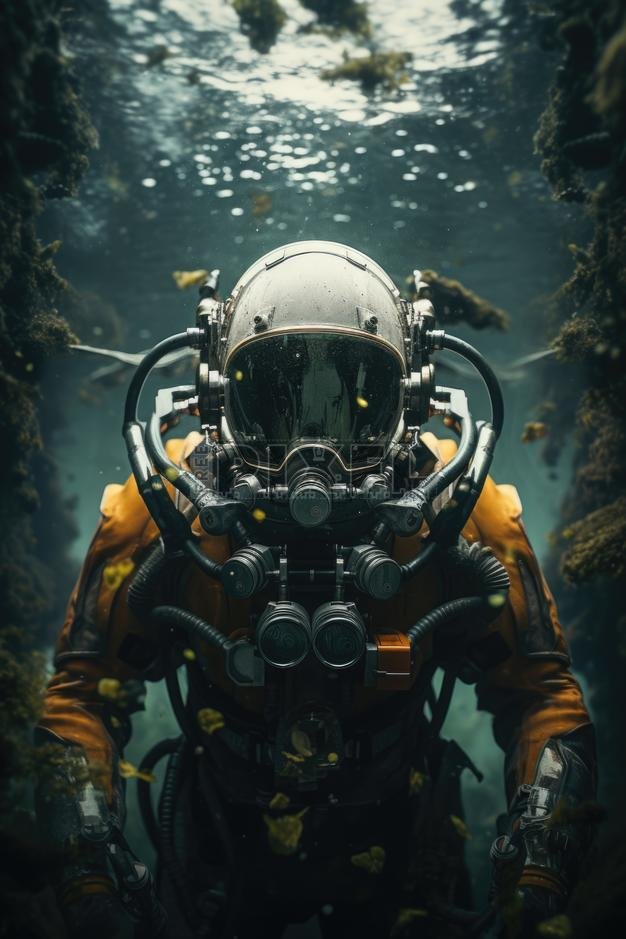
What is a Subsea Engineer?
A Subsea Engineer specializes in the design, installation, and maintenance of equipment and infrastructure located on the seabed. These systems include:
Subsea trees (wellheads)
Manifolds
Pipelines and risers
Blowout Preventers (BOPs)
Control systems
Their primary focus is to ensure safe drilling, extraction, and transportation of hydrocarbons from offshore reservoirs to processing facilities.
What Do Commercial Divers Do?
Commercial divers are the hands-on professionals underwater. Unlike engineers, who focus on design and oversight, divers carry out physical tasks such as:
Welding and cutting underwater structures
Inspecting and repairing pipelines
Supporting installation of subsea equipment
Performing safety checks and salvage operations
Why Subsea Roles Are Essential
As offshore operations move into deeper waters, subsea experts become increasingly important. Without them:
Production could stop due to equipment failures.
Environmental risks would rise.
Offshore worker safety could be compromised.
Learn about Oil & Gas Safety Training.
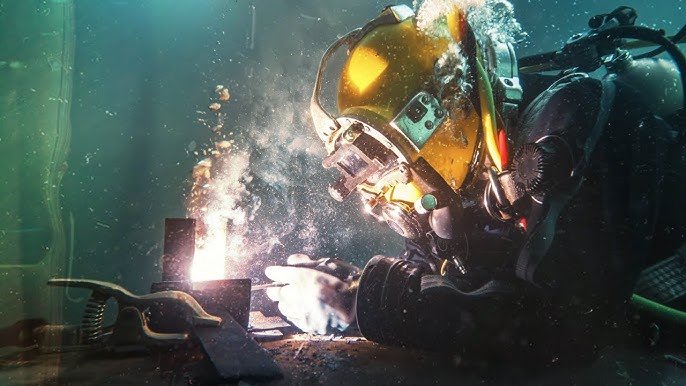
Daily Life of Subsea Professionals
Subsea Engineers
Split time between office design work and offshore site visits.
Monitor subsea control systems.
Troubleshoot drilling and production issues.
Commercial Divers
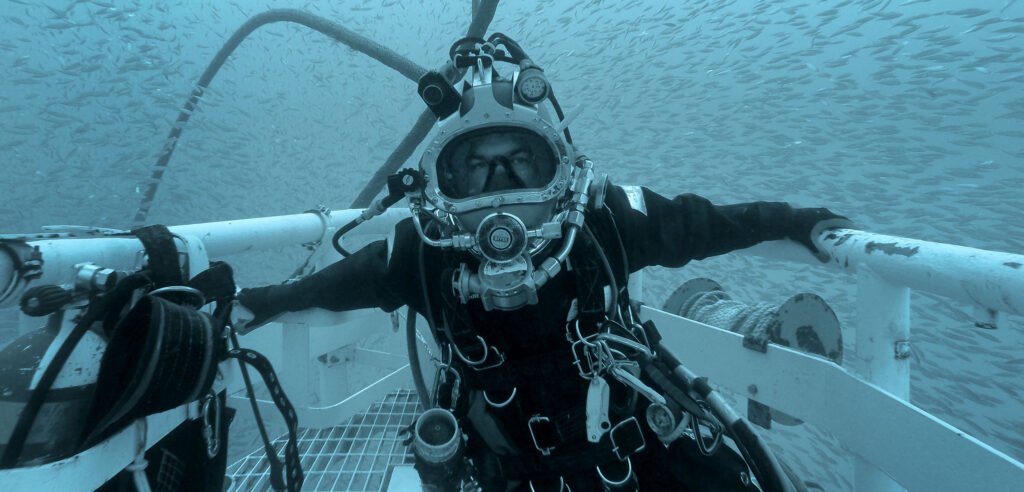
Long shifts (4–6 hours) at depth.
Work with diving bells, ROVs, and saturation chambers.
Operate in cold, dark, high-pressure environments.
Skills & Education
Subsea Engineers
Degree in Mechanical, Petroleum, or Subsea Engineering.
Knowledge of hydraulics, robotics, and materials science.
Offshore safety certifications.
Commercial Divers
Certification from accredited diving schools.
Training in underwater welding and rigging.
High physical fitness.
Key Certifications
BOSIET – Basic Offshore Safety Induction & Emergency Training
IMCA Commercial Diving Certifications – for divers
IWCF Well Control – for engineers
ROV Pilot Training – for engineers specializing in robotics
Subsea Salaries
Subsea Engineers
Entry Level: $70,000 – $90,000/year
Experienced: $120,000 – $160,000/year
Senior: $180,000+
Commercial Divers
Offshore Diver: $50,000 – $80,000/year
Saturation Diver: $120,000 – $200,000/year
Career Path
Step 1: Entry Level
Start as a roustabout, junior engineer, or diving apprentice.
Learn more about Entry Level & Internships.
Step 2: Technical Training
Gain subsea engineering degrees or commercial diving certifications.
Step 3: Professional Growth
Move into roles like subsea engineer or saturation diver.
Step 4: Senior Leadership
Progress to Subsea Project Manager or Offshore Installation Manager.
Future of Subsea Careers
The demand for subsea professionals is growing with:
Offshore wind farms
Subsea carbon capture and storage (CCS)
Underwater robotics and automation
Lifestyle of Subsea Workers
Life offshore is both challenging and rewarding:
Pros:
High salaries
Global travel
Strong team culture
Cons:
Long rotations away from family
Physically demanding environments
Subsea engineers and divers are the unsung heroes of offshore energy. They combine technical expertise with physical resilience to ensure safe and efficient operations in the most extreme environments on Earth.
For those seeking an adventurous, high-paying, and globally impactful career, subsea roles offer one of the best opportunities in the energy sector.