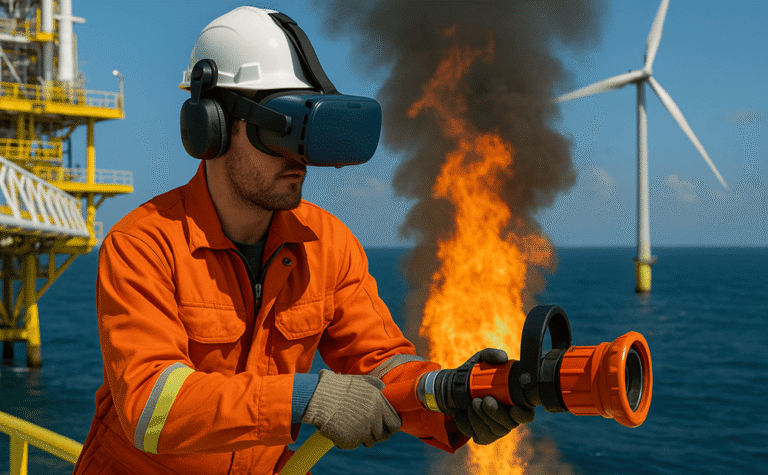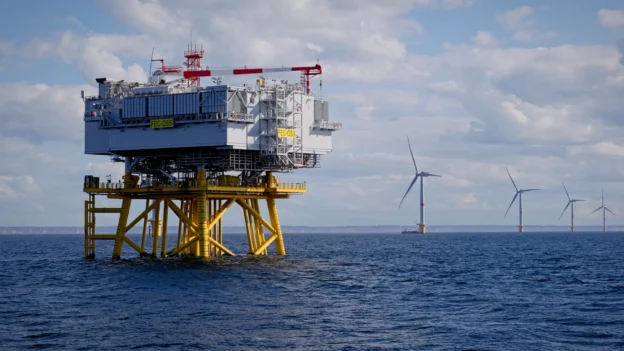





The oil & gas industry is one of the most high-risk work environments in the world. From offshore rigs to onshore refineries, safety is non-negotiable. A Safety Assistant plays a key role in maintaining safe operations, supporting health, safety, and environmental (HSE) programs, and ensuring compliance with industry standards.

What is a Safety Assistant?
A Safety Assistant is an entry- to mid-level professional who works with HSE officers and supervisors to monitor workplace conditions, enforce safety protocols, and assist in incident investigations.
This role provides valuable experience for those looking to progress into HSE Officer, Safety Supervisor, or Safety Manager positions.
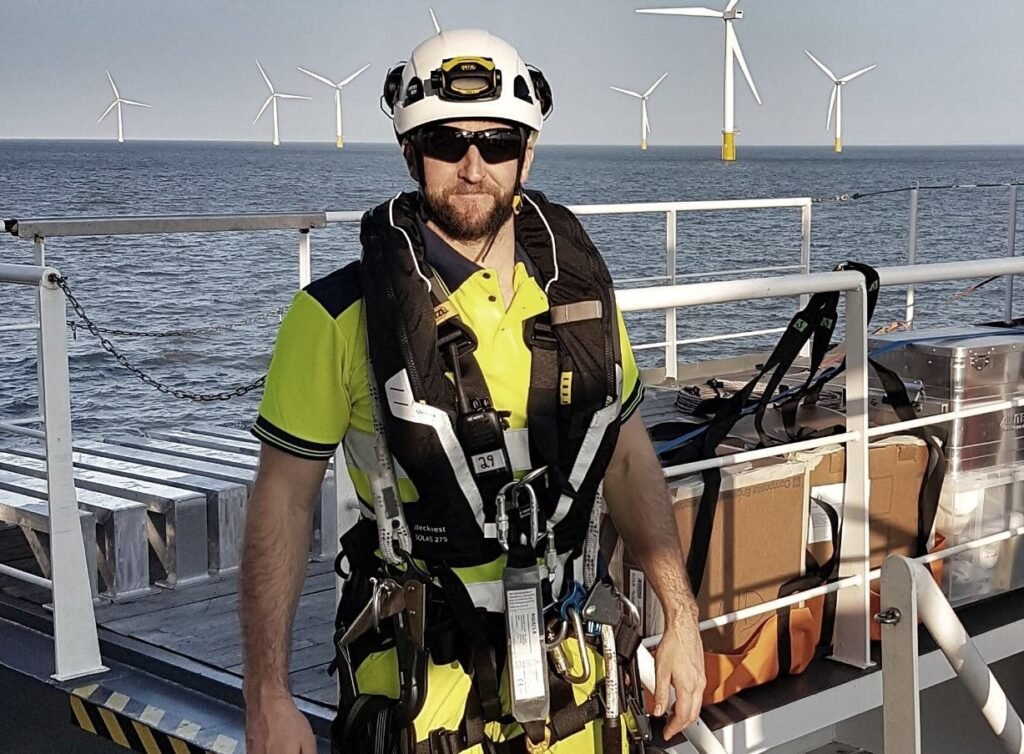
Key Responsibilities
Conduct daily safety inspections on-site
Assist in delivering safety inductions and toolbox talks
Monitor compliance with PPE (Personal Protective Equipment) use
Support emergency drills and evacuation procedures
Help maintain safety records and documentation
Report hazards, near misses, and incidents
See how safety integrates with offshore jobs.

Skills Required
Strong knowledge of health and safety regulations
Observation and reporting skills
Communication and teamwork abilities
Ability to remain calm in emergency situations
Familiarity with incident reporting software and safety checklists
Education & Training
Most Safety Assistants enter the industry with a diploma or degree in safety, environmental science, or engineering. Specialized safety certifications are highly valued:
NEBOSH International General Certificate (IGC)
IOSH Managing Safely
H2S Awareness Training
BOSIET (Basic Offshore Safety Induction & Emergency Training)
Check our Education page for more training resources.
Safety Assistant Salaries
Salaries vary based on region, employer, and offshore vs. onshore work:
Entry-Level: $40,000 – $55,000/year
2–3 Years Experience: $55,000 – $70,000/year
Offshore Roles: $65,000 – $85,000/year
Career Progression
Step 1: Safety Assistant
Support HSE programs, inspections, and reports.
Step 2: HSE Officer / Safety Technician
Take on more responsibility for site-specific safety management.
Step 3: Safety Supervisor / Coordinator
Lead small teams and oversee compliance.
Step 4: HSE Manager / Safety Director
Set company-wide safety policies and manage large-scale operations.
Start with entry-level internships to gain hands-on safety training.
Daily Life of a Safety Assistant
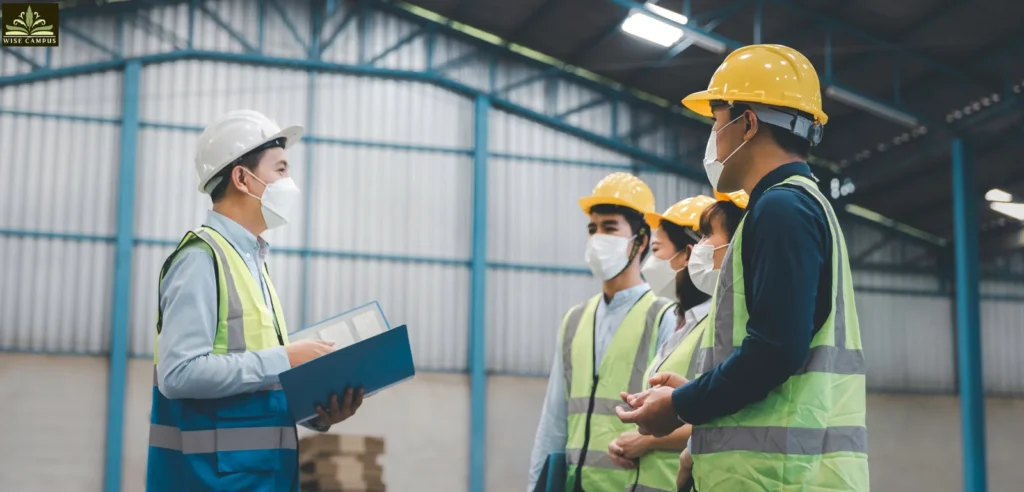
A typical day includes:
Morning safety briefing with crew
Conducting site walkarounds and inspections
Monitoring compliance with PPE and safety protocols
Assisting in drills and toolbox talks
Reporting observations to the HSE Officer
Learn more about industry life in our Lifestyle section.
Future Outlook
As oil & gas companies push for zero incidents and higher safety standards, the demand for trained Safety Assistants is expected to rise. Opportunities are also expanding into renewable energy safety roles, including offshore wind and hydrogen projects.
A career as a Safety Assistant is a strong entry point into the vital field of health and safety in oil & gas. With the right training, experience, and certifications, professionals can grow into senior HSE leadership roles while making a real impact on workplace safety.