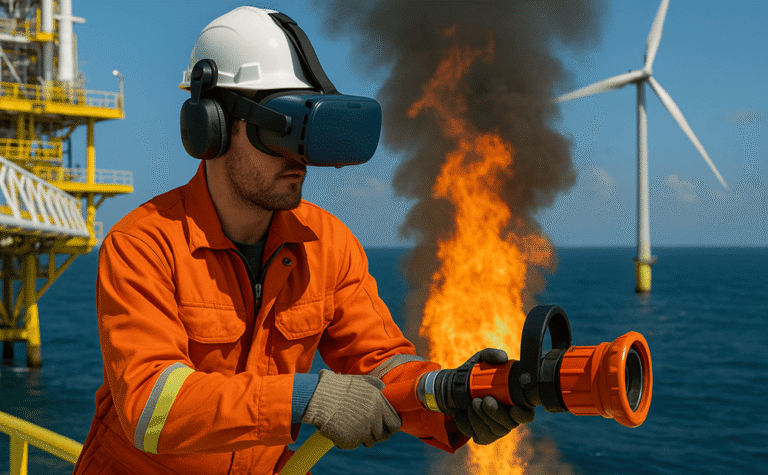
Drilling Superintendent
Average Salary (2025): $180,000 – $230,000 per year
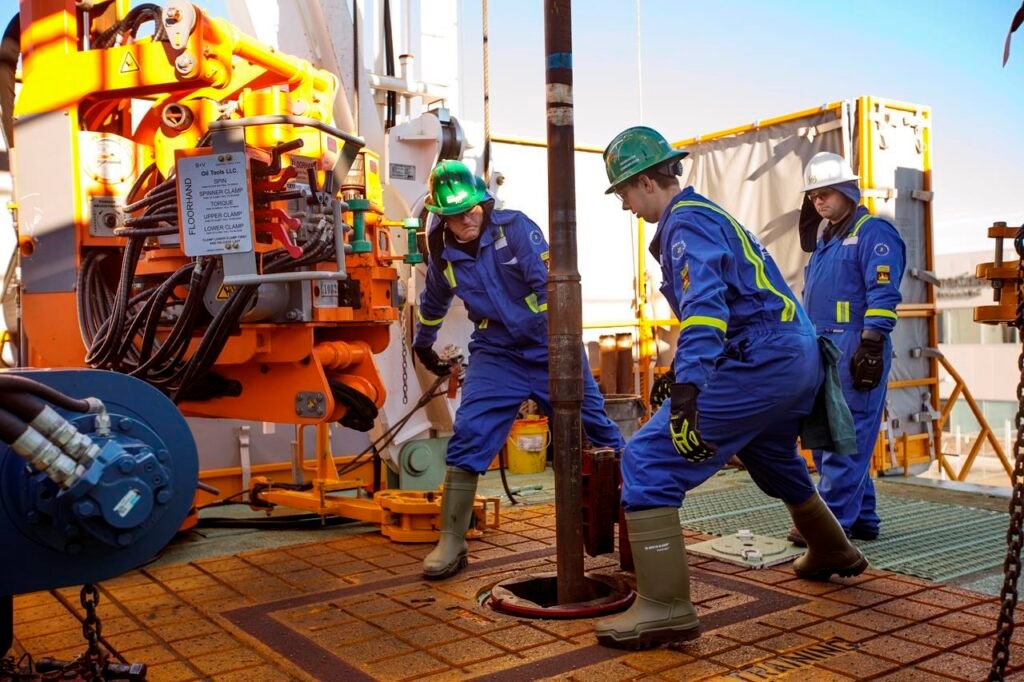
Drilling superintendents oversee drilling operations on rigs, ensuring projects stay on time, on budget, and within safety regulations.
Qualifications:
Petroleum engineering degree
Advanced well control certification
Strong project management skills
Reservoir Engineer
Average Salary (2025): $160,000 – $210,000 per year
Reservoir engineers analyze data to determine how to extract oil and gas efficiently and maximize production. With advanced data analytics now central to energy, this role is more valuable than ever.
Qualifications:
Degree in petroleum or chemical engineering
Strong data modeling and simulation expertise
Knowledge of enhanced recovery techniques
Drilling Engineer
Average Salary (2025): $150,000 – $200,000 per year
Drilling engineers design and implement well plans, working closely with geologists and rig teams to ensure safe, cost-effective drilling.
Qualifications:
Petroleum engineering or mechanical engineering degree
Well control and offshore safety training
Hands-on drilling experience
HSE Manager (Health, Safety & Environment)
Average Salary (2025): $140,000 – $180,000 per year
With safety regulations becoming stricter, HSE managers play a critical role in protecting workers and the environment. They design, implement, and monitor safety programs across operations.
Qualifications:
NEBOSH or OSHA certifications
Environmental management expertise
Strong leadership and compliance knowledge
Subsea Engineer
Average Salary (2025): $140,000 – $175,000 per year
Subsea engineers specialize in equipment and systems that operate beneath the ocean surface, including pipelines, wellheads, and subsea trees.
Qualifications:
Mechanical, civil, or ocean engineering degree
Offshore and subsea operations experience
Knowledge of deepwater technology
Production Superintendent
Average Salary (2025): $130,000 – $170,000 per year
Production superintendents manage the day-to-day operations of oil and gas facilities, ensuring maximum production with minimal downtime.
Qualifications:
Process or petroleum engineering background
Strong leadership and communication skills
Facility operations experience
Geoscientist
Average Salary (2025): $120,000 – $160,000 per year
Geoscientists study rock formations, seismic data, and reservoir structures to locate and evaluate hydrocarbon deposits. Their expertise guides drilling and exploration.
Qualifications:
Geology or geophysics degree
Strong data analysis and mapping skills
Field exploration experience
Pipeline Engineer
Average Salary (2025): $115,000 – $150,000 per year
Pipeline engineers design and maintain critical oil and gas transportation systems. With safety and environmental standards rising, their expertise is in high demand.
Qualifications:
Civil or mechanical engineering degree
Pipeline safety certifications
Knowledge of international regulations
Rig Electrician / Instrumentation Specialist
Average Salary (2025): $100,000 – $140,000 per year
Rig electricians and instrumentation specialists maintain the complex electrical and monitoring systems that keep offshore and onshore rigs operational.
Qualifications:
Electrical engineering background
Offshore safety certifications (BOSIET, HUET)
Troubleshooting and automation expertise
In 2025, oil and gas careers remain highly rewarding, both financially and professionally. While the industry is evolving alongside renewable energy, the demand for skilled engineers, managers, and technical specialists continues to drive salaries upward.
Whether you’re considering offshore leadership or technical engineering roles, oil and gas still offers some of the highest-paying opportunities in the global energy sector.