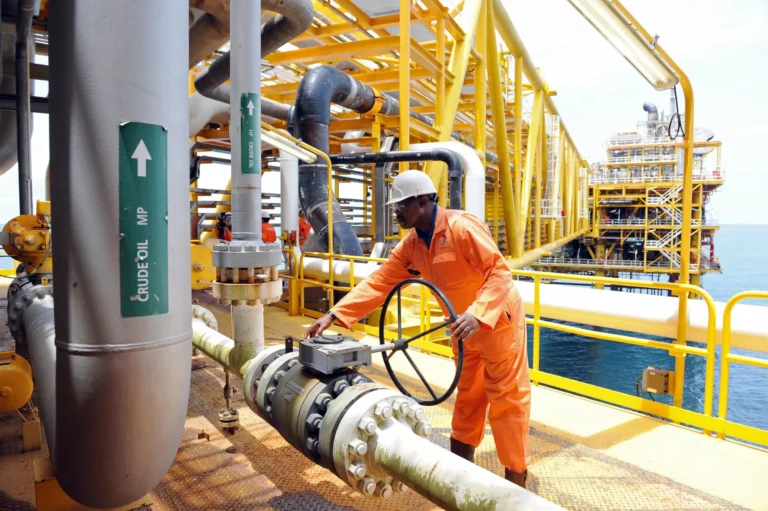



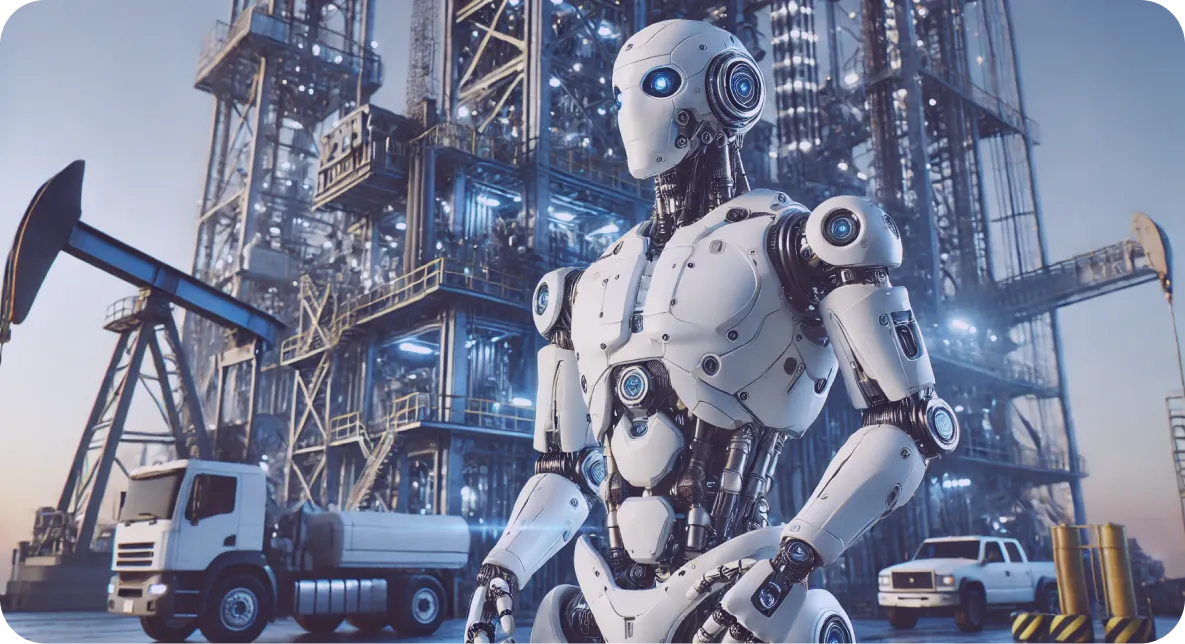

The energy industry is standing at the edge of one of its most significant transformations. For decades, oil, gas, and power companies have relied on manpower-driven operations, but today artificial intelligence (AI) and automation are reshaping everything from drilling to energy trading, from equipment maintenance to workforce management.
But as these technologies expand, an important question arises: how will AI and automation impact salaries in the energy sector? Will wages decrease due to fewer human roles, or will new skills drive salaries even higher?

The Role of AI and Automation in Energy Today
AI and automation aren’t abstract concepts they’re already transforming day-to-day energy operations.
Upstream (Exploration & Production): AI-driven drilling simulations, predictive maintenance, and seismic data analysis reduce risks and costs.
Midstream (Transportation & Storage): Automation ensures pipeline monitoring, leak detection, and flow optimization.
Downstream (Refining & Distribution): Robotics and smart sensors streamline refining processes and boost safety.
Renewables: Wind turbine predictive analytics, solar efficiency forecasting, and grid balancing use machine learning.
Energy Trading: Algorithms predict energy prices, optimize contracts, and automate trading strategies.
This widespread adoption is not just improving efficiency, it’s reshaping workforce dynamics and compensation.
Historical Lessons: Technology and Salaries
To understand the impact of AI, we can look at past industrial revolutions:
Industrial Revolution (1700s–1800s): Machines replaced manual labor, but demand for engineers and operators soared.
Computing Boom (20th Century): IT roles emerged with higher salaries, while clerical jobs diminished.
Digital Automation (2000s): Manufacturing saw job losses, but high-paying roles in robotics and data analysis rose.
The lesson is clear: automation eliminates some roles but increases the value of others. Salaries don’t necessarily decline, they shift toward new areas of expertise.
Jobs at Risk in the Energy Industry
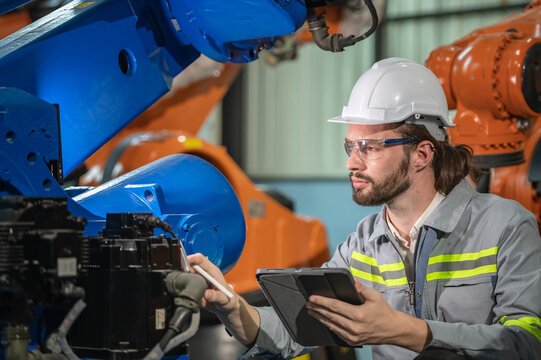
Not all energy jobs face equal exposure to AI-driven disruption. Roles with repetitive, routine tasks are most vulnerable.
Examples of At-Risk Jobs:
Roustabouts & Roughnecks: Automated drilling rigs reduce manual labor demand.
Pipeline Monitors: AI-based sensors and drones replace constant human inspections.
Data Clerks & Analysts: Machine learning tools can process seismic and operational data faster than humans.
Logistics Coordinators: AI-driven predictive supply chain management reduces administrative roles.
Salary Impact:
Lower to mid-level salaries may stagnate or decline as automation takes over.
Workers in these positions will need upskilling to transition into higher-value roles.
Jobs That Will Grow in Value
AI and automation don’t just eliminate roles, they create demand for new high-paying jobs.
Examples of Growth Roles:
AI & Data Engineers: Developing and maintaining algorithms for drilling, refining, and trading.
Automation Specialists: Managing robotic systems on rigs and in refineries.
Cybersecurity Experts: Protecting increasingly digital infrastructure.
Digital Twin Engineers: Creating virtual replicas of rigs, refineries, and pipelines.
AI-Enhanced Energy Traders: Using algorithmic tools to optimize market decisions.
Salary Impact:
These roles already command salaries exceeding $120,000–$200,000, depending on specialization.
Demand will continue to grow, pushing salaries upward as competition for talent increases.

Regional Differences in Salary Impact
The effect of AI and automation on salaries will not be uniform worldwide.
United States & Europe: High demand for AI talent, leading to salary premiums. Salaries for traditional rig workers may stagnate as automation spreads.
Middle East: Wealth from oil ensures continued investment in automation but also government-funded reskilling programs.
Asia-Pacific: Rapid adoption of renewables and digital technologies creates hybrid salary structures.
Africa & Latin America: Lower automation adoption may delay impacts, but wage disparities could widen between digital and traditional roles.
How Automation Affects Offshore vs. Onshore Salaries
Offshore Jobs
Many offshore manual labor roles will shrink due to robotics and remote monitoring.
Salaries for rig electricians, subsea engineers, and automation technicians will increase.
Onshore Jobs
Refinery operations will become highly automated.
AI will create more demand for digital skills like process control engineering and data analytics.
The Renewable Energy Angle
The renewable sector is at the frontline of AI adoption, especially in solar, wind, and hydrogen projects.
AI optimizes wind turbine performance, solar grid balancing, and energy storage.
Workers with oil and gas experience can transition into renewables by learning AI applications.
Salaries in renewables are becoming competitive, especially for data scientists and renewable AI engineers.
Salary Forecast: 2025–2035
Here’s a projected outlook of how AI and automation will shape salaries in the energy sector:
| Role | 2025 Avg. Salary | 2030 Avg. Salary (with AI adoption) | Salary Trend |
|---|---|---|---|
| Roustabout | $50,000 | $40,000 | ▼ Decline |
| Drilling Engineer | $150,000 | $160,000 | ▲ Slight Growth |
| Reservoir Engineer (AI-based tools) | $160,000 | $190,000 | ▲ Growth |
| AI/Automation Specialist | $140,000 | $200,000+ | ▲ Strong Growth |
| Cybersecurity Engineer | $130,000 | $180,000 | ▲ Strong Growth |
| Energy Data Scientist | $120,000 | $170,000 | ▲ Strong Growth |
| Offshore Electrician (AI systems) | $110,000 | $140,000 | ▲ Growth |
The Human Factor: Why Salaries Won’t Collapse
Despite fears of widespread job losses, several factors ensure salaries won’t collapse:
Complexity of Energy Operations: AI cannot fully replace human decision-making in safety-critical situations.
Regulatory Requirements: Many governments mandate human oversight, keeping skilled jobs in demand.
Skill Shortages: AI and automation specialists are scarce, raising salaries for those roles.
Hybrid Workforce: The future is not machines replacing humans but humans working alongside machines, boosting productivity and wages.
Preparing for the Future: Skills That Protect Salaries
For workers in oil, gas, and renewables, the best strategy is reskilling and upskilling.
Key Skills for the Future:
AI & Data Literacy – understanding algorithms and energy analytics.
Automation Control Systems – working with SCADA and robotics.
Cybersecurity & Digital Safety – defending against cyber threats in energy systems.
Interdisciplinary Knowledge – combining engineering with digital fluency.
Adaptability – willingness to work across oil, gas, and renewable projects.
Workers who invest in these skills will remain highly paid and indispensable in the AI-driven energy sector.
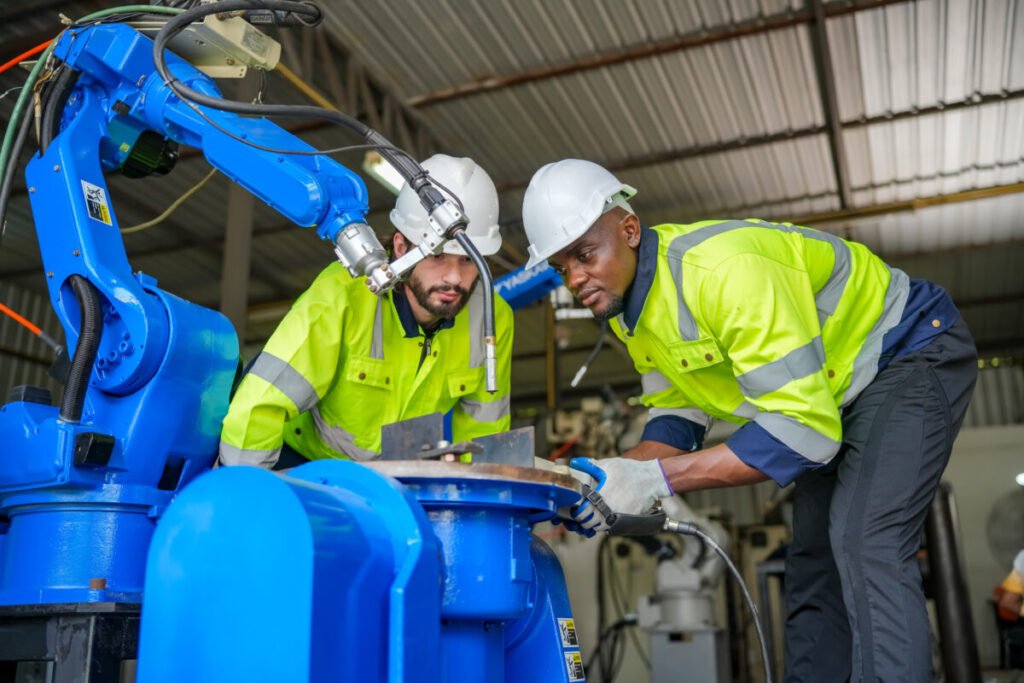
So, will AI and automation impact energy salaries? Yes, but not in the way many fear. While some traditional roles may see stagnant or declining wages, new digital and automation-focused jobs are creating higher-paying opportunities across the industry.
The key takeaway is this: AI won’t kill energy jobs, it will transform them. Professionals who embrace AI tools, build digital expertise, and reskill for automation will not only protect their salaries but see them grow in the years ahead.
The energy workforce of the future will be a hybrid of human expertise and machine intelligence and those who adapt will thrive.