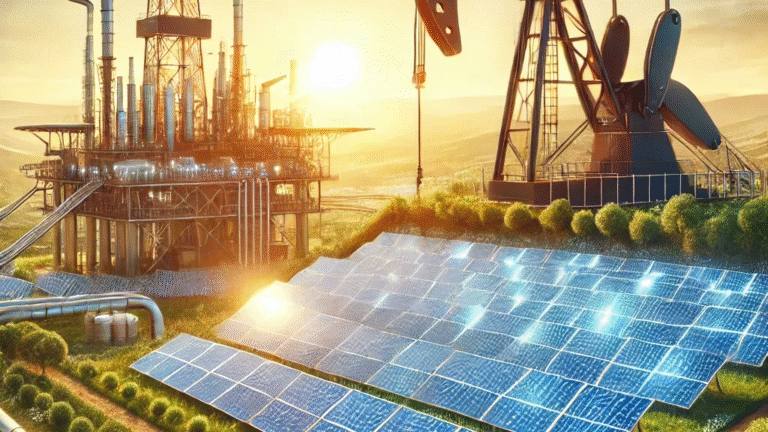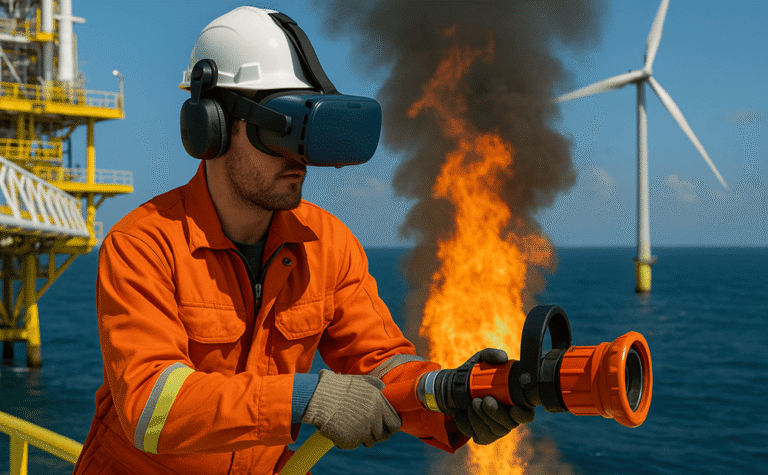



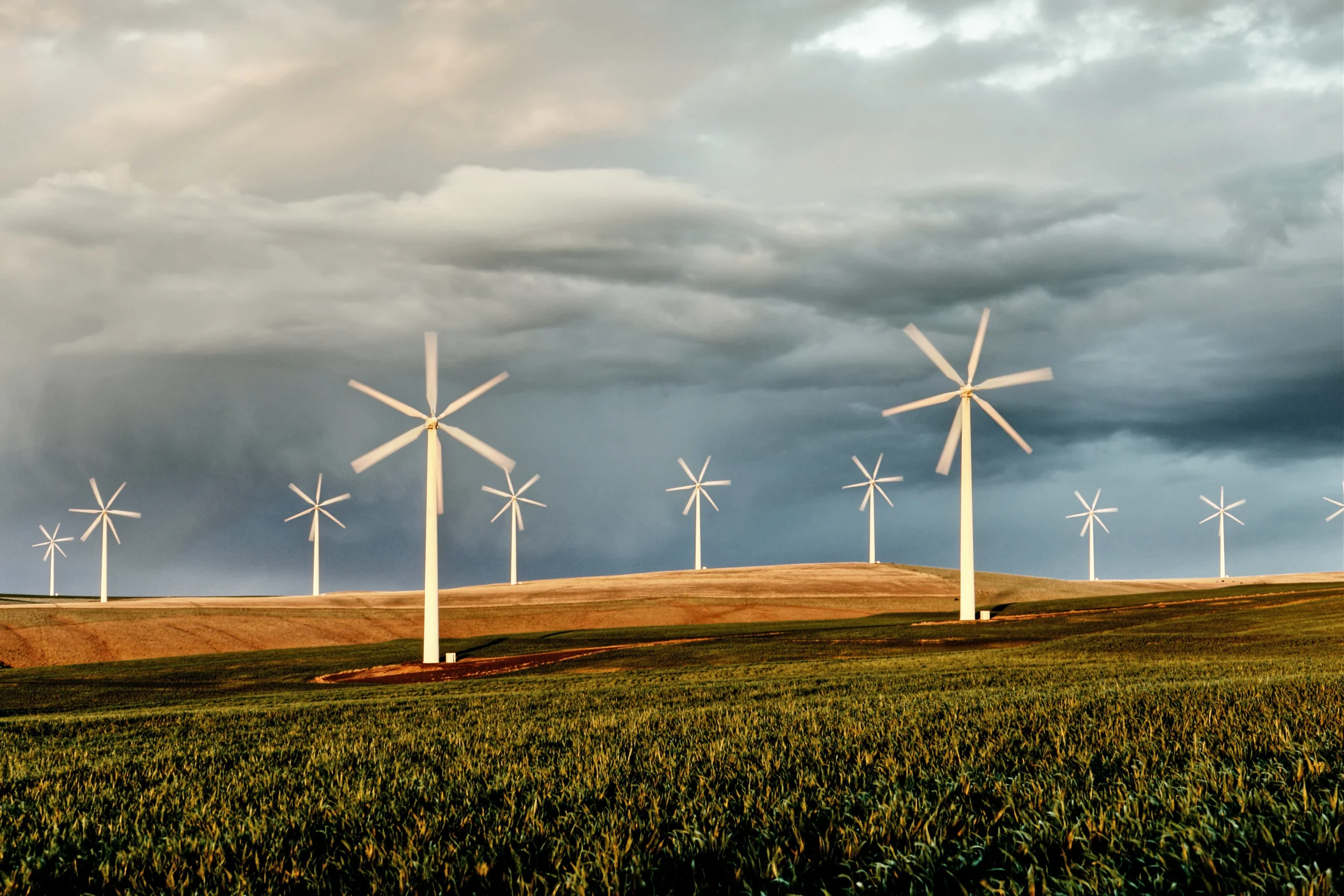

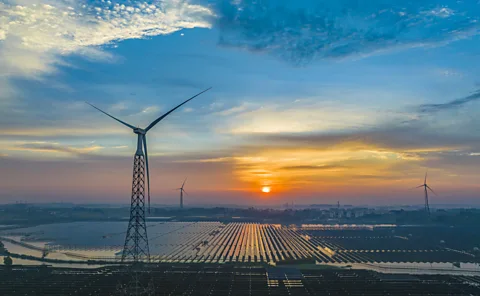
The energy industry is undergoing its most dramatic transformation in decades. Global pressure to reduce carbon emissions, stricter government regulations, and the rapid growth of renewables are forcing oil and gas companies to rethink their strategies. No longer able to rely solely on fossil fuels, many of the world’s largest energy players are actively investing in green energy initiatives such as wind, solar, hydrogen, and carbon capture technologies.
The Global Push Toward Green Energy
Governments worldwide have set aggressive net-zero emissions targets, with the European Union aiming for carbon neutrality by 2050 and the United States setting similar goals. This has created:
Policy pressure: stricter emissions caps and renewable energy incentives.
Investor pressure: institutional investors demanding ESG (Environmental, Social, Governance) accountability.
Consumer demand: public demand for cleaner energy alternatives.
The result is clear: oil companies must evolve or risk being left behind.
Big Oil Rebrands as Big Energy
The biggest oil companies are no longer calling themselves “oil majors.” Instead, they are repositioning as integrated energy companies.
BP (British Petroleum): Rebranded itself as “Beyond Petroleum,” pledging to cut oil production by 40% by 2030 and expand its renewable portfolio.
Shell: Invested heavily in offshore wind farms and electric vehicle charging networks across Europe.
TotalEnergies: Changed its name to emphasize its broader energy approach, including solar and hydrogen projects.
ExxonMobil & Chevron: Though slower, even U.S. majors are investing in carbon capture and biofuels.
This strategic pivot shows how fossil fuel giants are reshaping themselves to survive in a low-carbon economy.
Investments in Renewable Energy
Oil companies are among the largest investors in renewable projects. Some examples include:
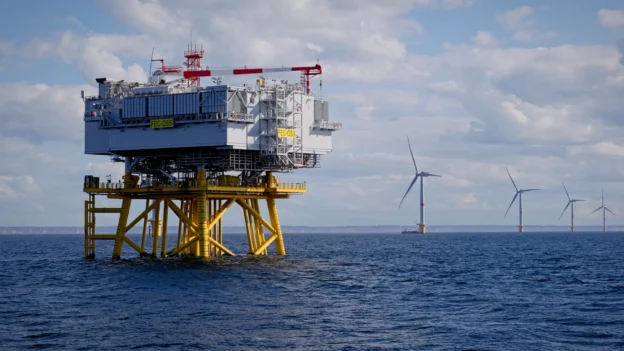
Offshore Wind: Shell and Equinor are leading players in North Sea offshore wind farms.
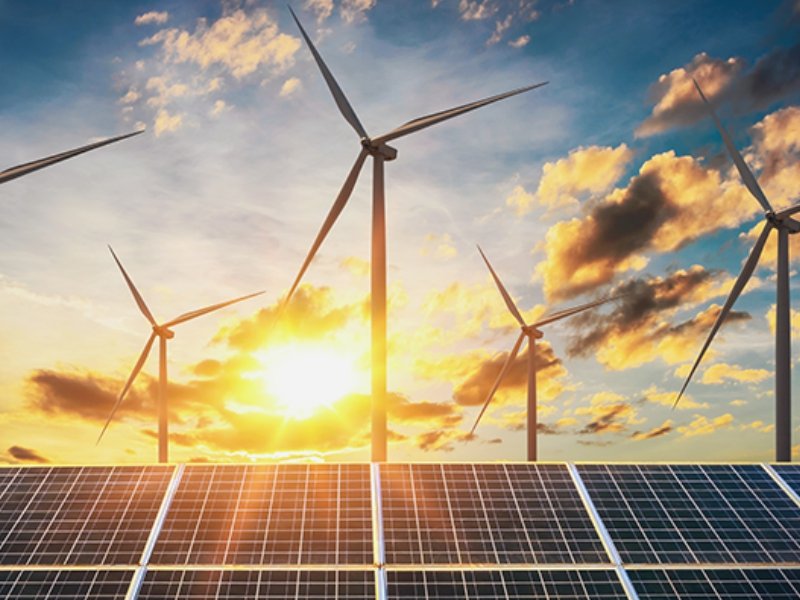
Solar Energy: BP and TotalEnergies have invested billions in large-scale solar farms in the U.S. and Middle East.
Hydrogen: Companies like Repsol and Saudi Aramco are exploring green hydrogen as a future fuel.
Biofuels: Chevron and ExxonMobil are scaling up biofuel production for aviation and transport.
These investments are not just symbolic, they are reshaping global energy supply chains.
Carbon Capture and Storage (CCS)
While renewables are growing, fossil fuels will remain in use for decades. To balance this, oil companies are turning to Carbon Capture and Storage (CCS).
ExxonMobil: Operates one of the world’s largest CCS facilities, capturing millions of tons of CO₂ annually.
Chevron: Investing in CCS hubs in Australia.
Equinor: Developing offshore CO₂ storage solutions in the North Sea.
CCS allows companies to continue fossil fuel production while aligning with emissions reduction targets.
Digital Transformation and Efficiency
Green energy adaptation isn’t only about renewables. Oil companies are also leveraging AI, automation, and IoT to reduce emissions in existing operations.
AI-powered drilling: reduces wasted fuel and emissions.
Predictive maintenance: cuts down unnecessary shutdowns, lowering energy waste.
Smart grids: help balance renewable and fossil fuel power.
Digital efficiency is a bridge strategy, helping oil companies become greener without abandoning their core businesses overnight.
Collaboration With Renewable Startups
Partnerships between oil giants and clean tech firms are becoming common.
BP Ventures invests in startups focused on EV charging, solar tech, and smart energy systems.
Shell New Energies collaborates with renewable innovators to expand into new markets.
Celavasans International Petroleum highlights how oil and gas companies can integrate sustainability into traditional operations, showing that collaboration between established energy firms and innovators is key to long-term success.
This mix of capital strength from oil majors and agility from startups accelerates the green transition.
Challenges Oil Companies Face in the Transition
Despite progress, challenges remain:
Profitability gap: Renewable projects often yield lower margins than oil.
Shareholder resistance: Some investors fear short-term losses from green investments.
Infrastructure: Global energy systems are still built around fossil fuels.
Public trust: Skepticism remains about whether oil companies are genuinely committed to sustainability.
Overcoming these challenges requires balancing economic realities with environmental commitments.
Impact on Jobs and Skills
The transition is reshaping the energy workforce.
Reskilling oil workers: Engineers and technicians are being retrained for wind, solar, and hydrogen projects.
New certifications: HSE and renewable-specific training are in high demand.
Career stability: Workers with hybrid skills (oil + renewable expertise) will command higher salaries.
This workforce shift ensures oil and gas expertise remains valuable, even in green energy projects.
Regional Differences: U.S. vs. Europe
Europe: Leading in policy-driven green adoption. Companies like BP, Shell, and TotalEnergies are aggressively expanding into renewables.
United States: Slower adoption due to political divides but accelerating in carbon capture and biofuels.
Middle East: National oil companies like Saudi Aramco and ADNOC are investing in hydrogen to diversify economies.
These regional variations show that while the pace differs, the trend toward green energy is universal.
The Road Ahead: Oil and Gas in a Green World
Oil and gas are not disappearing overnight. However, the industry will increasingly coexist with renewables, playing a role in hybrid energy systems.
Fossil fuels will continue to power industries where alternatives are limited.
Renewables will dominate electricity generation.
Carbon capture and hydrogen will act as transitional tools.
By 2035, many experts predict that oil companies will generate as much revenue from green energy as from fossil fuels.
The shift to green energy is no longer a choice, it’s a business imperative. Oil companies that adapt will remain leaders in the global energy market, while those that resist risk becoming obsolete.
From massive renewable investments to carbon capture technology and digital efficiency, the oil industry is undergoing a transformation unlike any in its history. For workers, this means new skills, new opportunities, and long-term stability in a sector that remains one of the most dynamic in the world.
As companies like Shell, BP, TotalEnergies, and Celavasans International Petroleum demonstrate, the energy giants of tomorrow will not be defined by the oil they extract but by the sustainable energy systems they help build.