


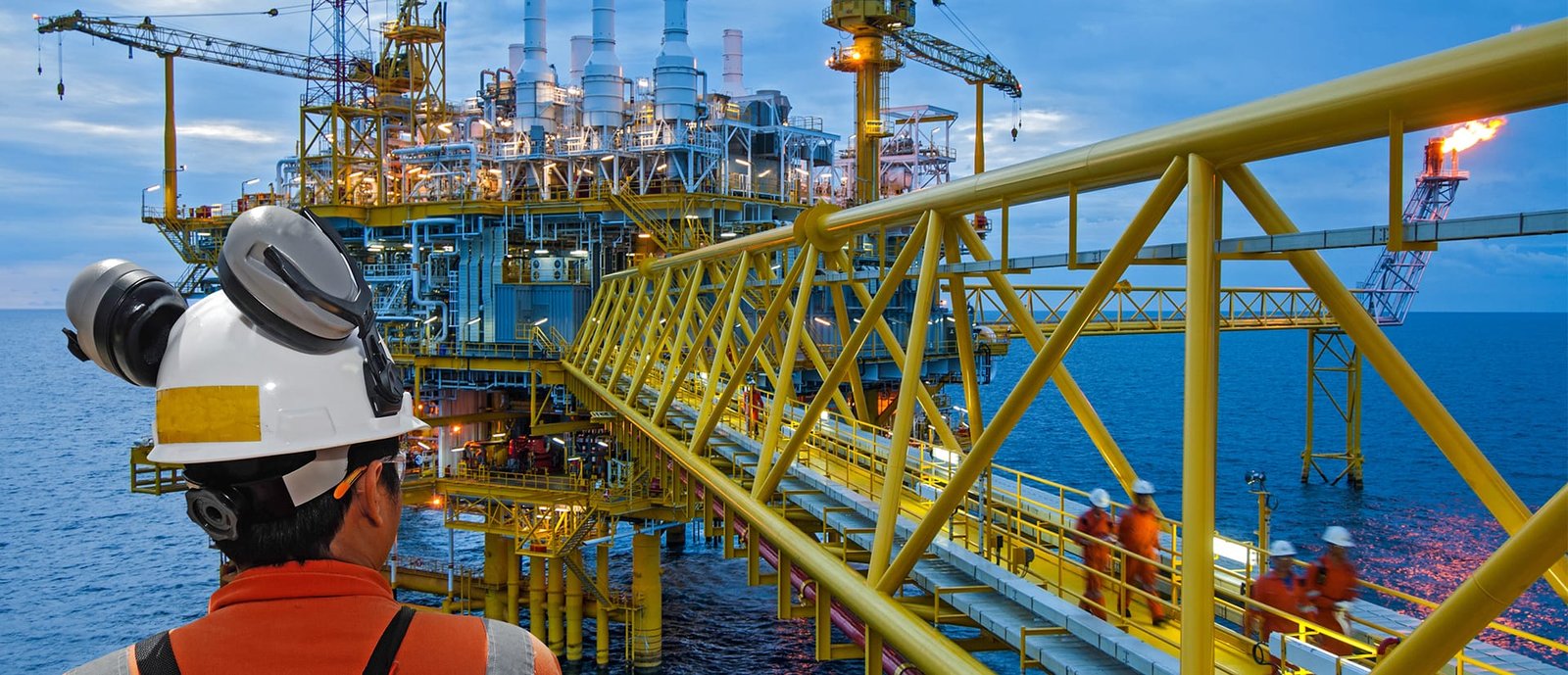

The oil and gas industry operates in some of the most demanding environments on the planet, from deep-sea drilling rigs to remote Arctic platforms. These operations carry inherent risks, including fires, explosions, equipment failures, and environmental hazards.
Yet, over the past decade, offshore safety has undergone a revolution. Driven by technological innovation, stricter regulations, and a growing commitment to employee well-being, companies are transforming how they approach safety offshore.
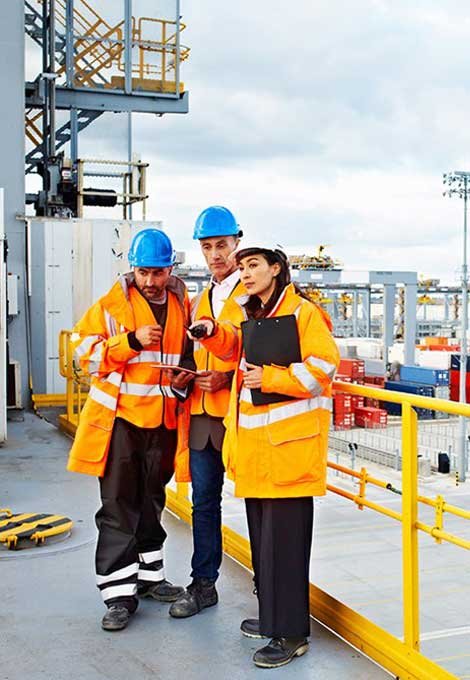
The Evolution of Offshore Safety
Offshore safety has come a long way since the early days of oil exploration.
In the past, safety practices were often reactive responding to accidents after they occurred. Major incidents like the Piper Alpha disaster (1988) and Deepwater Horizon explosion (2010) became turning points, prompting massive industry reforms.
Today, safety is proactive, data-driven, and people-centered. Companies invest heavily in prevention through predictive analytics, automation, and continuous crew education.
According to the International Association of Oil & Gas Producers (IOGP), offshore incident rates have dropped by more than 60% over the last 20 years due to global safety initiatives.
Building a Culture of Safety
Modern safety isn’t just about procedures, it’s about culture. Oil and gas companies are working to embed safety into every decision, conversation, and action on offshore platforms.
Key elements of a strong safety culture include:
Leadership accountability: Senior management must champion safety.
Empowered workers: Every crew member has the authority to stop unsafe operations.
Open communication: Encouraging reporting of near-misses without fear of punishment.
Continuous improvement: Regular safety audits and feedback loops.
Companies like Shell, BP, and Celavasans International Petroleum have adopted “Safety Leadership Programs” that train supervisors and crew leaders to communicate safety expectations clearly and foster collaboration.
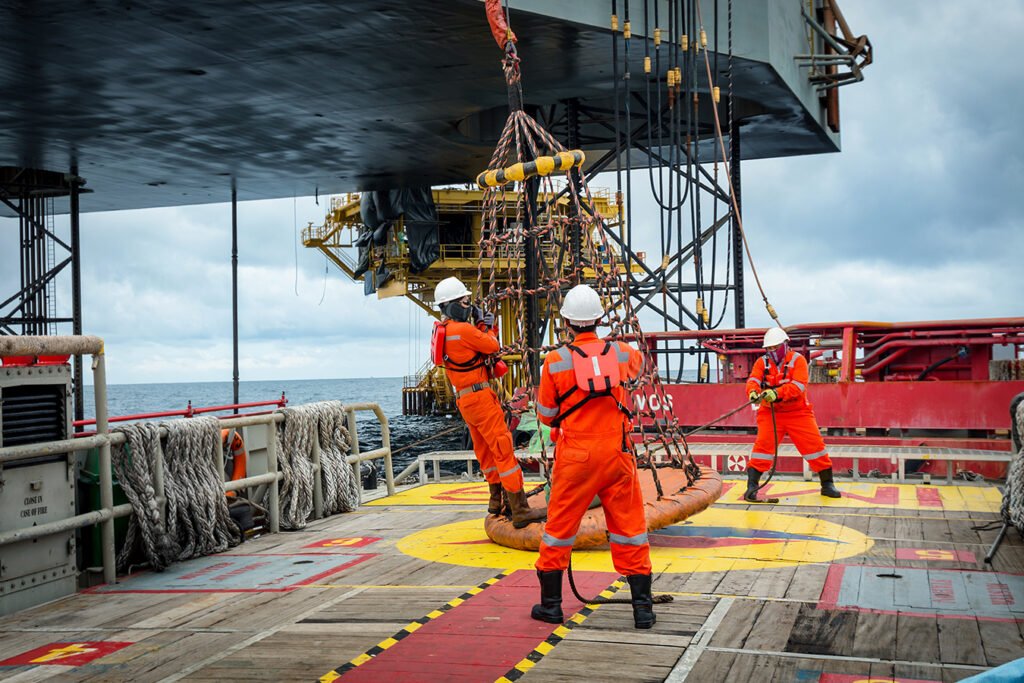
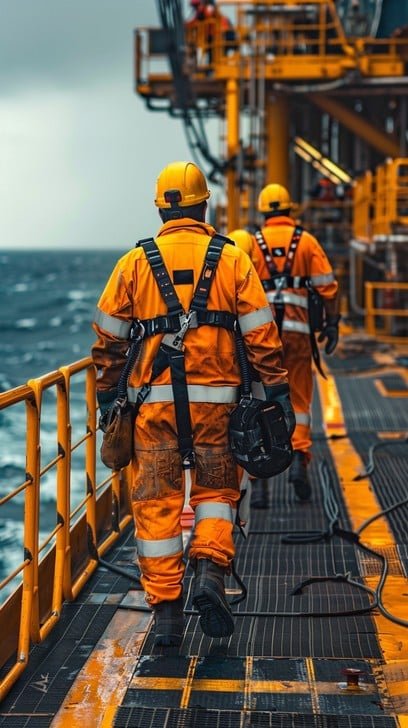
Digital Transformation and Smart Safety Systems
Technology is at the heart of offshore safety innovation.
AI & Predictive Analytics
AI systems analyze real-time data from sensors and drilling equipment to detect anomalies before accidents occur.
Predictive maintenance prevents machinery failure.
AI models flag unsafe pressure levels or gas leaks.
Data dashboards monitor crew safety performance.
Wearable Technology
Smart helmets and wristbands track heart rate, fatigue levels, and worker locations. If a worker falls or experiences health distress, supervisors receive instant alerts.
Drones and Robotics
Drones now inspect flare stacks and pipelines without exposing humans to danger. Autonomous underwater vehicles (AUVs) handle subsea inspections, reducing diver risk.
Advanced Safety Training and Simulations
Offshore work requires specialized training. Traditional classroom methods are being replaced by immersive, digital learning tools that better prepare workers for real-world emergencies.
Virtual Reality (VR) Simulations
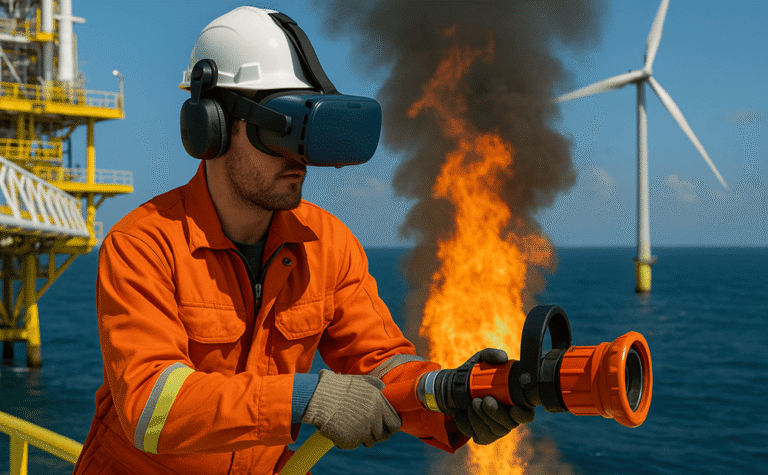
VR replicates life-like offshore environments, letting workers practice responses to fires, gas leaks, and helicopter crashes safely.
Interactive E-Learning
Companies like OPITO offer online safety modules and refresher courses accessible from anywhere in the world.
Team-Based Drills
Regular onboard drills ensure everyone knows their role in emergencies, building coordination and confidence.
According to NEBOSH, combining digital learning with traditional drills increases information retention by over 70%.
Reinventing Equipment and Infrastructure Safety
Modern rigs are being designed with safety and sustainability at the core.
Blast-resistant walls and decks to minimize explosion damage.
Smart ventilation systems that automatically detect and neutralize gas leaks.
AI-integrated control rooms that provide real-time hazard data to supervisors.
Fire-resistant materials to reduce spread in case of incidents.
These innovations reduce the severity of potential incidents and improve emergency response times.
Mental Health and Human Performance
Safety isn’t just physical, it’s also psychological. Offshore work can be stressful and isolating, leading to fatigue, anxiety, or mental burnout, all of which impact performance and safety.
Forward-thinking companies now include mental health and wellness programs in their offshore safety strategies.
Onboard counselors or telehealth support.
Regular wellness surveys to identify stress early.
Crew rotations that balance work-rest cycles.
Recreation and connectivity options to keep morale high.
See how BP’s mental health programs are improving worker resilience and reducing offshore fatigue-related incidents.
Emergency Response and Crisis Preparedness
Even with all precautions, emergencies can still occur. The difference between life and death often comes down to preparedness.
Companies now maintain robust emergency response frameworks, including:
Digital evacuation mapping: Smart software calculates optimal escape routes.
Automated alarms and alerts: Integrated with PA systems for quick communication.
Lifeboat and evacuation pod upgrades: Designed for rapid deployment even in severe weather.
Cross-company collaboration: Shared crisis resources between operators in the same region.
Crew members undergo regular Helicopter Underwater Escape Training (HUET) and BOSIET (Basic Offshore Safety Induction & Emergency Training) through OPITO before deployment.
Data-Driven Health, Safety & Environment (HSE) Management
The traditional paper-based HSE approach is being replaced by digital safety management systems that integrate with company-wide platforms.
These systems allow managers to:
Track safety incidents in real-time.
Analyze trends to predict future risks.
Ensure compliance with international safety standards.
Generate automated safety reports for audits.
Collaboration Across the Industry
Safety improvement is a shared responsibility. Oil and gas companies increasingly collaborate through global initiatives to raise standards across the sector.
IOGP Safety Committees: Share lessons learned and best practices.
Joint Industry Projects (JIPs): Fund research on offshore risk reduction.
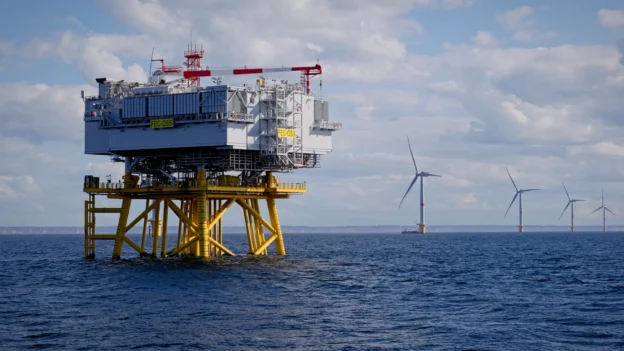
Cross-sector partnerships: Oil, renewables, and maritime industries work together on safety standards for offshore wind and hydrogen.
This spirit of cooperation ensures that safety advancements benefit the entire energy ecosystem, not just individual companies.
Sustainability Meets Safety
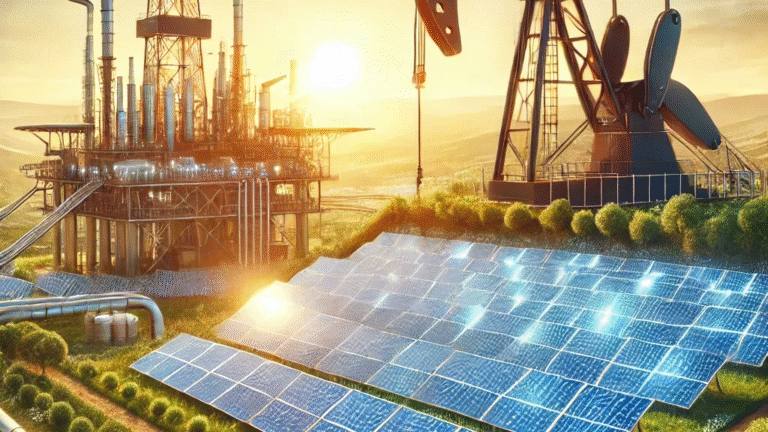
The transition toward green energy is also reshaping offshore safety practices. New projects in offshore wind, carbon capture, and hydrogen bring new risks but also opportunities to apply oil and gas safety expertise.
Former oil platform crews are retraining to manage offshore wind installations.
AI-driven energy management systems reduce both emissions and safety incidents.
Shared safety protocols between oil, gas, and renewable energy operators ensure consistent global standards.
Safety and sustainability are no longer separate priorities, they are now mutually reinforcing goals.
The Future of Offshore Safety
The next decade will see the rise of fully connected, intelligent safety ecosystems.
What’s Next:
AI Predictive Behavior Systems: Identify unsafe worker actions before they cause harm.
Autonomous Offshore Platforms: Operated and monitored remotely, reducing human exposure.
Blockchain Safety Records: Securely track worker certifications and incident history.
Green Safety Standards: Sustainability will become part of every safety audit.
The future of offshore safety is autonomous, intelligent, and human-centered using technology not to replace people, but to protect them.
Offshore safety has evolved from being a compliance requirement to becoming a strategic pillar of operational excellence.
From predictive AI systems and wearable sensors to cultural transformation and mental health programs, oil and gas companies are redefining what “safety first” truly means.
Organizations like Shell, BP, and Celavasans International Petroleum demonstrate that by combining innovation with human awareness, the industry can continue to operate safely even in the most extreme environments.
Ultimately, the goal is simple yet powerful: zero harm, zero compromise, and 100% accountability.