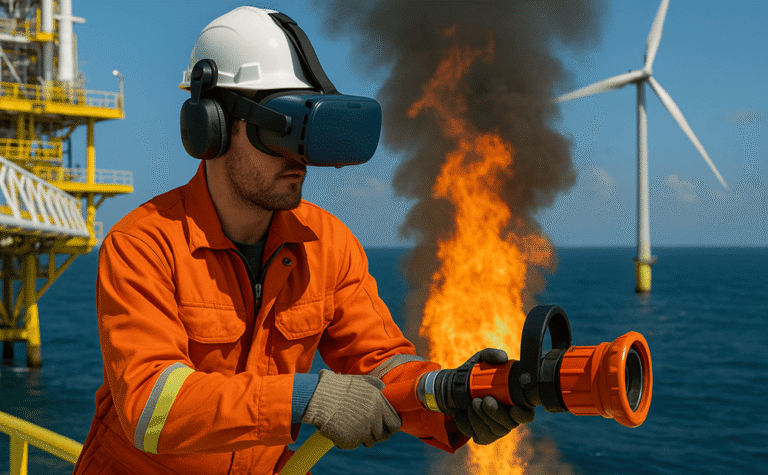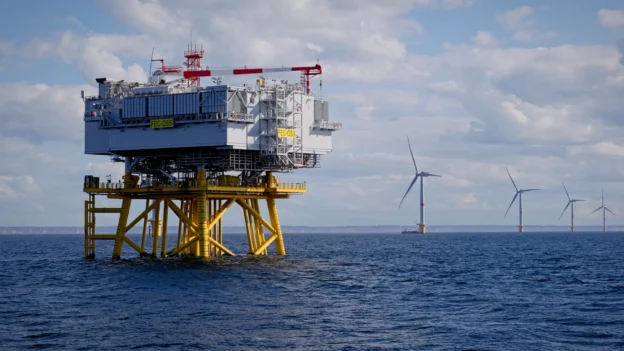



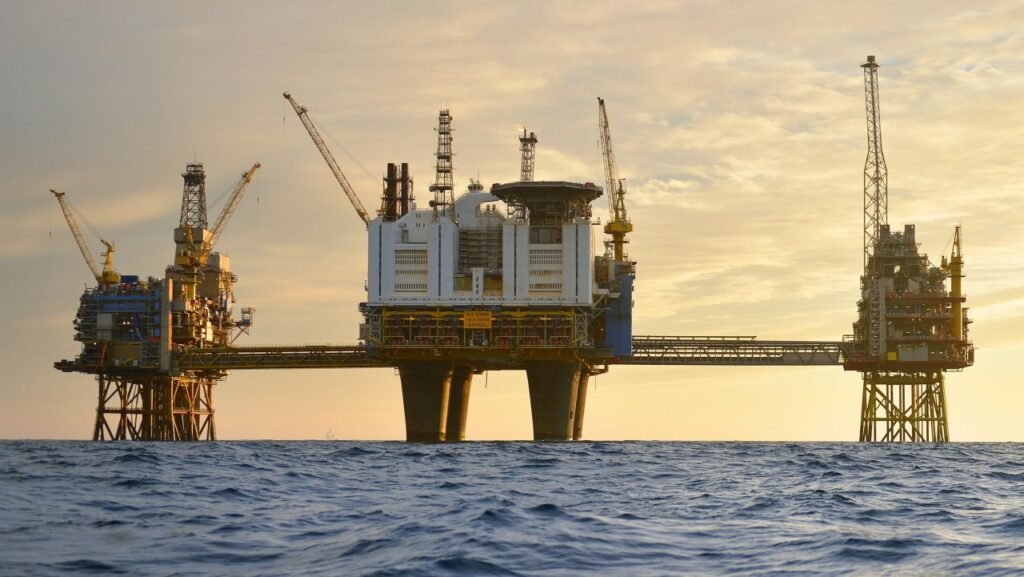

For decades, offshore oil and gas jobs have represented some of the most challenging and rewarding roles in the energy industry. From drillers and engineers to subsea technicians and medics, offshore workers have powered the world’s energy supply from the depths of the ocean.
But as the energy transition accelerates, the offshore workforce is facing a massive transformation. The shift toward renewables, automation, and decarbonization is creating both uncertainty and opportunity.
This article takes an in-depth look at the future of offshore jobs in a changing energy market exploring how traditional oil and gas careers are evolving, which new roles are emerging, and what skills workers will need to stay ahead.

The Offshore Industry at a Crossroads
The offshore energy sector is in a state of reinvention. While oil and gas remain vital to global energy supply, the world is transitioning toward cleaner, more sustainable sources.
Key factors driving this change include:
Global Net-Zero Targets: Countries are committing to reduce carbon emissions by 2050.
Investment Shifts: Investors are demanding stronger environmental, social, and governance (ESG) standards.
Renewable Expansion: Offshore wind and green hydrogen are creating new opportunities.
Technological Advancements: Automation, robotics, and AI are redefining how offshore work is done.
Companies like Shell, BP, and Celavasans International Petroleum are leading this transformation investing not only in traditional offshore oil and gas projects but also in renewable offshore ventures such as wind farms and hydrogen production facilities.
Offshore Jobs: Then vs. Now
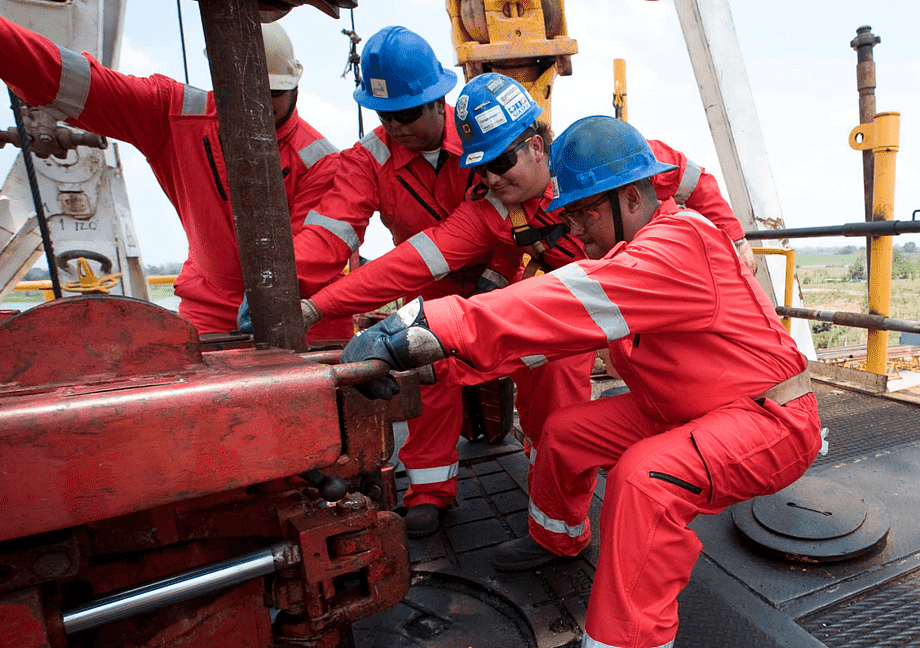
Traditionally, offshore work focused almost entirely on oil and gas extraction. Core roles included drillers, roughnecks, engineers, electricians, welders, and safety officers. These positions demanded technical skill, physical endurance, and a willingness to work in extreme environments.
Today, offshore operations are more digitized and diversified. Workers are increasingly managing automated systems, performing data analysis, and supporting hybrid platforms that produce both hydrocarbons and renewable energy.
| Then (Traditional Offshore) | Now (Modern Offshore) |
|---|---|
| Manual drilling operations | Automated drilling & AI monitoring |
| Focused on oil & gas only | Integrating wind, solar & hydrogen |
| Long, fixed rotations | More flexible hybrid schedules |
| Reactive maintenance | Predictive maintenance via sensors |
| Physical endurance key | Digital literacy equally important |
The Rise of Renewable Offshore Projects
One of the most significant changes in the offshore job market is the rapid growth of offshore wind and renewable energy projects.
Offshore Wind Farms: These projects are expanding in Europe, the U.S., and Asia, employing thousands of engineers, technicians, and vessel operators.
Floating Solar Platforms: Emerging in regions like the Middle East and Southeast Asia.
Offshore Hydrogen Production: Oil platforms are being repurposed to produce green hydrogen.
Oil companies such as BP, TotalEnergies, and Equinor are now among the largest investors in renewable offshore projects, creating new hybrid job roles that blend traditional oil expertise with renewable energy skills.
Automation and AI: The New Offshore Toolbox
Automation is transforming the way offshore work is performed.
Drones and Robotics: Used for inspections, maintenance, and repairs in dangerous or hard-to-reach areas.
AI Predictive Systems: Detect potential failures before they happen, preventing costly downtime.
Digital Twins: Virtual models of rigs or wind turbines that allow real-time monitoring and simulations.
Remote Operations Centers: Allow onshore teams to control offshore assets, reducing crew sizes and risk.
Impact on Jobs
Automation won’t eliminate offshore jobs it will change them. Future workers will need a mix of mechanical expertise, software knowledge, and problem-solving skills to operate and maintain advanced systems.
Top Emerging Offshore Roles
The next generation of offshore careers will blend traditional technical skills with digital, environmental, and data-driven expertise.
| Job Title | Role Description | Average Salary (2025 Est.) |
|---|---|---|
| Offshore Wind Technician | Installs and maintains wind turbines at sea. | $80,000 – $120,000 |
| Subsea Robotics Operator | Manages remotely operated vehicles (ROVs) and underwater drones. | $90,000 – $130,000 |
| Digital Operations Specialist | Oversees AI systems, data analytics, and predictive maintenance tools. | $100,000 – $140,000 |
| Environmental Compliance Officer | Ensures projects meet ESG and sustainability standards. | $90,000 – $120,000 |
| Hydrogen Process Engineer | Designs offshore hydrogen production and storage systems. | $110,000 – $160,000 |
These roles demonstrate that offshore work remains technically demanding and financially rewarding, even as it evolves.
Reskilling and Training for the Future
To stay relevant, offshore workers must adapt and upskill. The new offshore economy rewards professionals who understand both the technical and digital sides of operations.
Key Skills for Future Offshore Workers
Renewable Energy Systems: Knowledge of wind, solar, or hydrogen processes.
Data Analytics & AI Literacy: Ability to interpret and act on digital insights.
Automation & Robotics: Familiarity with remote-operated systems.
Safety & Environmental Management: Advanced HSE certifications remain crucial.
Cybersecurity Awareness: Protecting critical offshore infrastructure.
Certifications That Boost Offshore Careers
BOSIET (Basic Offshore Safety Induction & Emergency Training)
GWO (Global Wind Organisation) Training
NEBOSH Environmental Management Certificate
PMI-PMP Project Management Certification
OSHA Offshore Safety Compliance
Upskilling through digital learning platforms such as Coursera and edX can also help workers transition more smoothly into emerging roles.
Regional Outlook: Where Offshore Jobs Are Growing
The future of offshore work will vary by region, depending on energy policy and investment trends.
North America
Rapid offshore wind expansion along the U.S. East Coast (New York, Virginia).
Continued oil and gas activity in the Gulf of Mexico.
Growth in digital operations centers managing hybrid platforms.
Europe
Leading the offshore wind revolution, particularly in the North Sea.
Increasing hydrogen pilot projects in Norway, the Netherlands, and the UK.
Middle East
Diversification from oil into offshore solar and green hydrogen.
Governments like the UAE and Saudi Arabia are funding massive clean energy projects.
Asia-Pacific
Offshore wind developments in China, Japan, and South Korea.
Growth in LNG (liquefied natural gas) and subsea engineering.
Each region is creating a different mix of traditional and renewable offshore jobs, ensuring global demand for skilled workers remains strong.
The Role of Safety and Well-Being
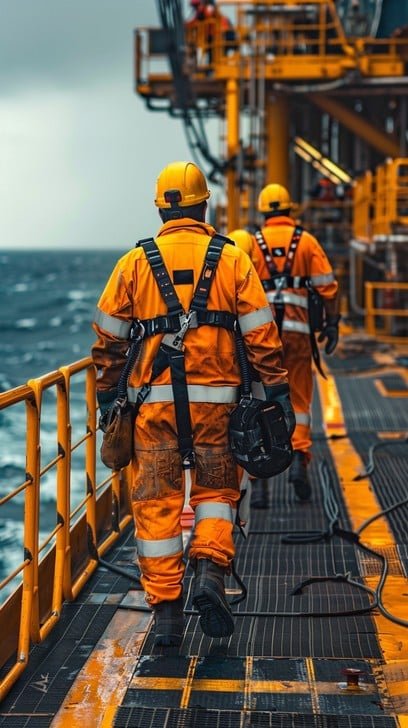
Even as technology evolves, safety remains the cornerstone of offshore operations.
Oil and renewable energy companies are investing in advanced safety systems and mental health programs to protect their crews.
AI-powered safety monitoring: Detects fatigue and unsafe behavior.
Wearable sensors: Track vital signs and alert supervisors in real-time.
Mental health initiatives: Provide counseling and communication tools for offshore teams.

Sustainability and Offshore Careers
Sustainability is now at the heart of energy careers. Offshore professionals are expected to contribute to both energy production and environmental protection.
Reducing carbon emissions through cleaner drilling and production processes.
Supporting biodiversity and minimizing environmental impact in offshore projects.
Innovating in carbon capture and storage (CCS) technologies.
The oil and gas workforce is uniquely positioned to lead the green transition, as their offshore expertise applies directly to renewable energy systems.
The Hybrid Energy Worker
The offshore worker of the future is no longer defined by a single industry. Instead, they will operate across a hybrid energy ecosystem, where oil, gas, and renewables coexist.
For example:
A subsea engineer may work on both oil platforms and offshore wind foundations.
A drilling technician could transition to geothermal or hydrogen wells.
A safety officer may oversee operations across multiple energy platforms.
Hybrid professionals with cross-sector experience will be among the most valuable and highest-paid in the future energy market.
Challenges Ahead
While the opportunities are exciting, the offshore workforce also faces challenges:
Skill gaps: Many workers need retraining to fit into renewable or digital roles.
Job security: Automation and energy transition may temporarily disrupt employment.
Economic volatility: Oil price fluctuations still affect project funding.
Policy uncertainty: Energy transition timelines differ by country.
Addressing these challenges will require collaboration among governments, training institutions, and energy companies to ensure a just and sustainable workforce transition.
Looking Ahead: The Future Workforce Vision
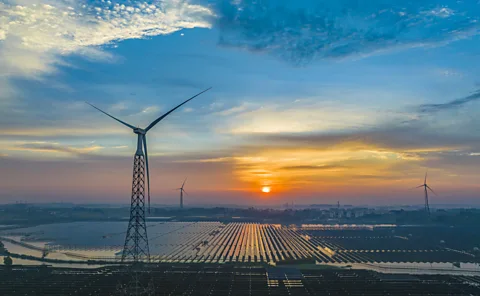
The offshore industry of 2035 will look vastly different:
Smaller, smarter crews operating highly automated platforms.
More flexible work rotations with remote monitoring support.
Diverse teams skilled in both engineering and environmental management.
Cross-disciplinary professionals leading innovation in global energy.
Offshore work will remain tough and technical but also more sustainable, inclusive, and technologically advanced than ever before.
The future of offshore jobs is not about the end of oil and gas it’s about evolution. As the world shifts toward a cleaner energy mix, offshore professionals are at the forefront of this transformation.
By embracing new technologies, sustainability principles, and cross-industry skills, today’s workers can secure their place in the offshore workforce of tomorrow.
Companies like Shell, BP, and Celavasans International Petroleum are proving that the same spirit of innovation that once powered the oil age will now drive the renewable energy era.