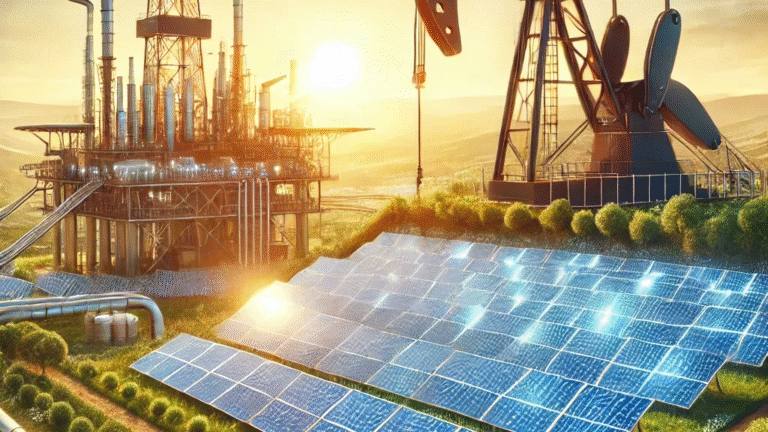





Artificial Intelligence (AI) is no longer a futuristic concept in the energy sector, it’s already here, transforming how oil and gas companies explore, produce, refine, and deliver energy. From predictive maintenance to autonomous drilling, AI is revolutionizing every layer of the industry.
But beyond operational changes, AI is reshaping the workforce itself. The next generation of oil and gas jobs will look vastly different blending digital intelligence with traditional energy expertise. For workers and graduates alike, understanding how AI is driving this shift is key to staying relevant in the evolving energy landscape.

AI in the Energy Industry: A New Era of Efficiency
AI is becoming the backbone of modern energy operations. The industry’s increasing complexity from offshore drilling to renewable integration demands intelligent systems that can analyze vast amounts of data and make rapid decisions.
Where AI Is Making the Biggest Impact
Exploration & Production: AI interprets seismic data faster and more accurately, identifying drilling targets with minimal risk.
Refining: Machine learning optimizes refinery output by adjusting variables in real time.
Maintenance: Predictive algorithms detect potential equipment failures before they happen.
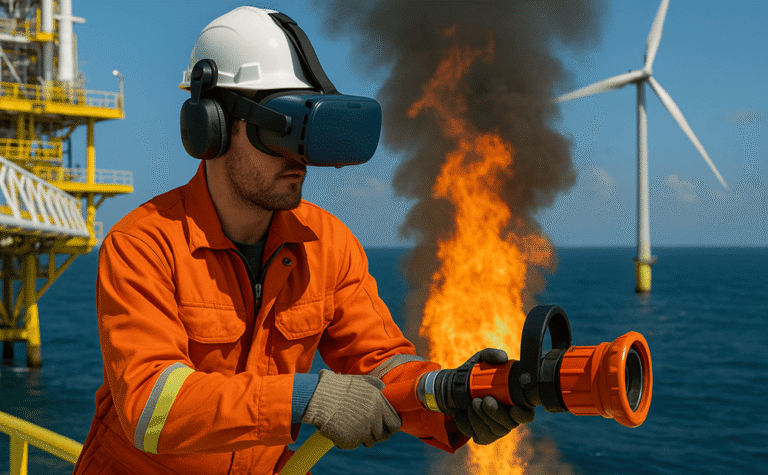
Safety & Risk Management: AI-driven sensors and analytics enhance workplace safety.
Energy Trading: Algorithms forecast oil prices and optimize trading decisions.
According to McKinsey & Company, AI has the potential to boost oil and gas industry profits by up to $275 billion annually through efficiency gains and cost reduction.
The Changing Nature of Oil & Gas Work
AI is transforming not just what work is done, but how it’s done. Traditional oilfield operations that once relied heavily on manual labor are now supported by automation and data-driven insights.
Then vs. Now
| Traditional Workflows | AI-Driven Workflows |
|---|---|
| Manual drilling operations | Automated rigs monitored by AI |
| Reactive maintenance | Predictive maintenance powered by analytics |
| Human inspection of pipelines | Drone and sensor-based surveillance |
| Manual record-keeping | Real-time digital dashboards |
| Intuitive decision-making | Data-backed, algorithmic decision-making |
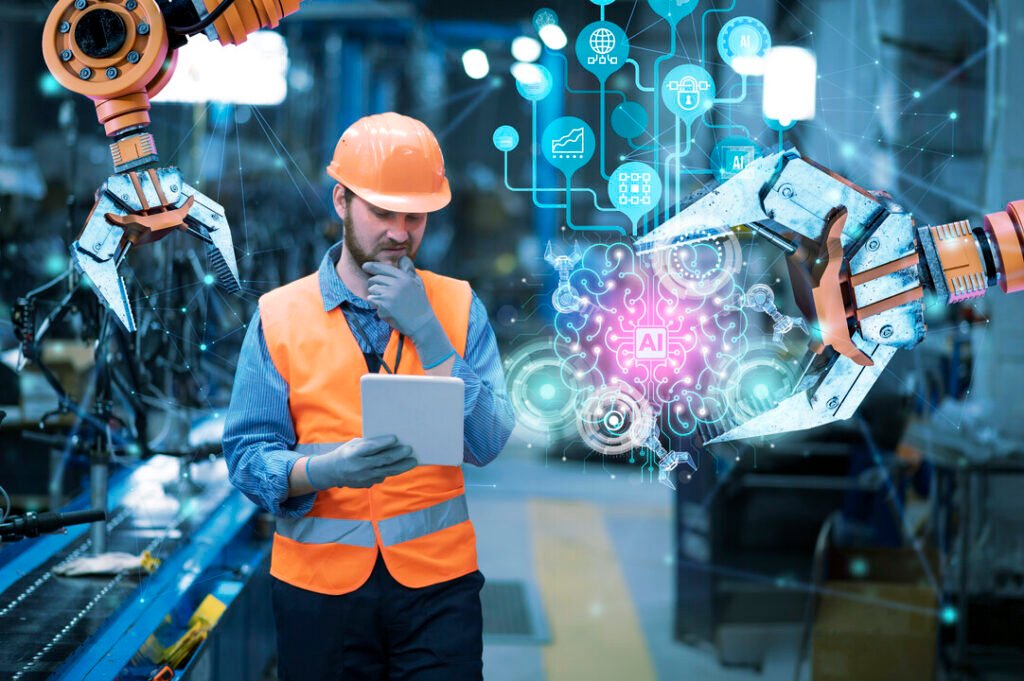
This shift doesn’t mean humans are being replaced, it means humans and AI are working together to make operations safer, faster, and more sustainable.
The Rise of New AI-Driven Energy Jobs
As AI adoption grows, a new generation of hybrid roles is emerging. These jobs require both traditional engineering knowledge and digital skills like coding, data analysis, and systems management.
| Job Title | Description | Average Salary (2025 Est.) |
|---|---|---|
| Data Engineer (Energy) | Manages and analyzes geological and operational data for better decision-making. | $110,000 – $140,000 |
| AI Systems Specialist | Designs and maintains AI systems for drilling, production, and safety. | $120,000 – $160,000 |
| Automation & Robotics Technician | Oversees autonomous drilling and maintenance systems. | $90,000 – $130,000 |
| Digital Twin Engineer | Builds real-time simulation models for rigs and refineries. | $130,000 – $170,000 |
| Energy Data Scientist | Uses machine learning to forecast production and optimize energy output. | $100,000 – $150,000 |
These roles are in high demand, and as the energy sector becomes more digitized, salaries continue to rise especially for professionals who bridge engineering and AI.
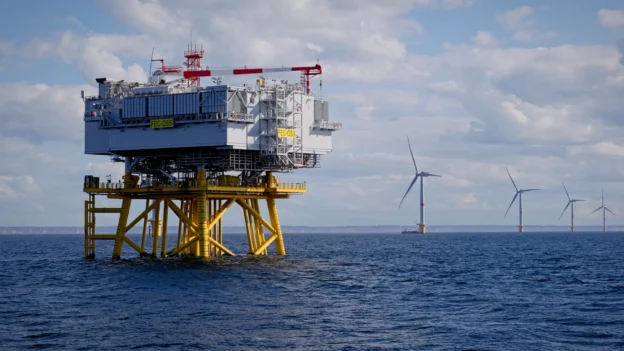
AI and Offshore Operations
Offshore platforms are among the most challenging environments for applying AI, but also the ones benefiting most from it.
Autonomous Rigs: Some platforms now operate semi-autonomously with minimal human presence, reducing risk exposure.
Predictive Maintenance: AI models anticipate breakdowns in critical systems like pumps and compressors.
Safety Monitoring: Smart cameras and sensors detect unsafe behavior or hazardous conditions.
Energy Optimization: AI adjusts energy use onboard to improve efficiency and reduce emissions.
The future offshore worker will not just handle tools they’ll manage AI-assisted systems that perform complex tasks in real time.
AI in Drilling and Exploration
Exploration and drilling have long relied on experience and intuition. Now, AI adds computational power to those instincts.
Geological Modeling: Machine learning algorithms analyze seismic data to identify oil-rich zones faster.
Drilling Optimization: AI adjusts drilling parameters to maximize efficiency and minimize waste.
Well Integrity Monitoring: Continuous data analysis prevents blowouts and equipment failures.
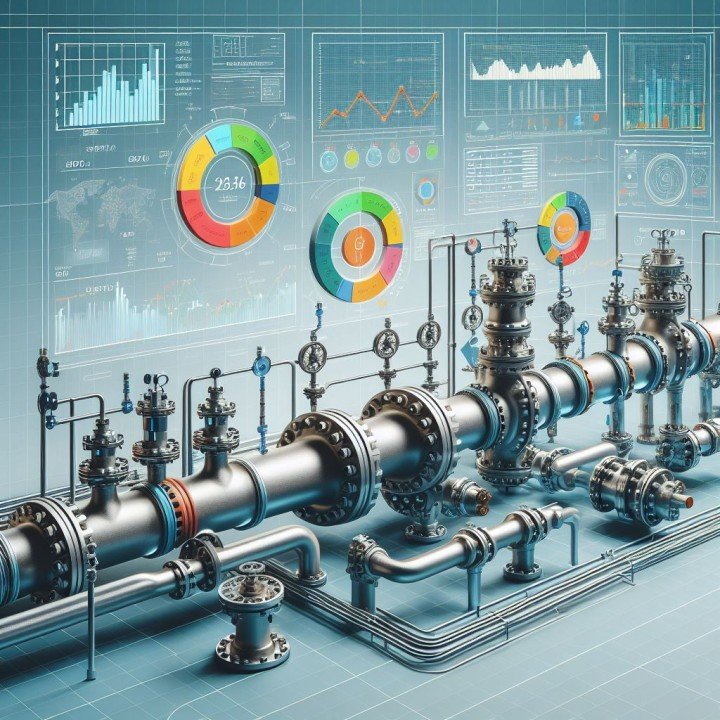
For instance, Schlumberger’s DELFI platform uses AI-driven insights to connect data from exploration through production, enabling faster and more accurate decision-making.
Safety and Risk Management Through AI
Safety remains the foundation of oil and gas operations and AI is now one of its strongest tools.
Computer Vision: Cameras detect workers without proper PPE or near restricted zones.
Sensor Networks: Monitor gas leaks, pressure anomalies, and temperature fluctuations.
AI-Based Predictive Safety Models: Analyze incident data to forecast future risks.
By replacing manual inspection with intelligent monitoring, companies have significantly reduced workplace injuries and downtime.
According to the International Association of Oil & Gas Producers (IOGP), AI-assisted safety systems can reduce incident rates by up to 40% compared to traditional methods.
Skills for the Next Generation of Energy Professionals
The future oil and gas workforce will need to combine domain expertise with digital fluency.
Essential Skills for AI-Enhanced Energy Jobs
Data Literacy: Understanding how to interpret and visualize data trends.
Machine Learning Fundamentals: Knowing how AI systems operate and learn.
Automation Control Systems: Familiarity with robotics and process automation.
Cybersecurity Awareness: Protecting AI systems from digital threats.
Problem-Solving & Adaptability: Using AI insights to make smarter, faster decisions.
Professionals can acquire these skills through training platforms like Coursera, edX, and industry-specific academies such as OPITO or NEBOSH.
How AI Is Impacting Salaries
AI-driven transformation is reshaping pay structures in the energy industry.
| Role | 2020 Avg. Salary | 2025 Avg. Salary (Projected) | Salary Trend |
|---|---|---|---|
| Field Operator | $75,000 | $85,000 | ▲ Steady Growth |
| Automation Engineer | $100,000 | $130,000 | ▲ High Growth |
| Data Scientist (Energy) | $110,000 | $160,000 | ▲ Rapid Growth |
| Drilling Engineer | $120,000 | $135,000 | ▲ Moderate Growth |
| AI Project Manager | $130,000 | $180,000 | ▲ Strong Growth |
Energy companies are offering premium pay to attract tech-savvy professionals who can bridge the gap between engineering and artificial intelligence.
The Human-AI Collaboration Model
Contrary to fears that AI will replace jobs, it’s actually creating a new human-AI collaboration model.
Humans Lead, AI Enhances
AI handles repetitive tasks like monitoring sensors or analyzing datasets.
Humans handle complex decisions, strategy, and innovation.
Together, they improve safety, speed, and sustainability.
The oil and gas workforce is evolving from “hands-on labor” to “hands-on intelligence.”
AI and the Energy Transition
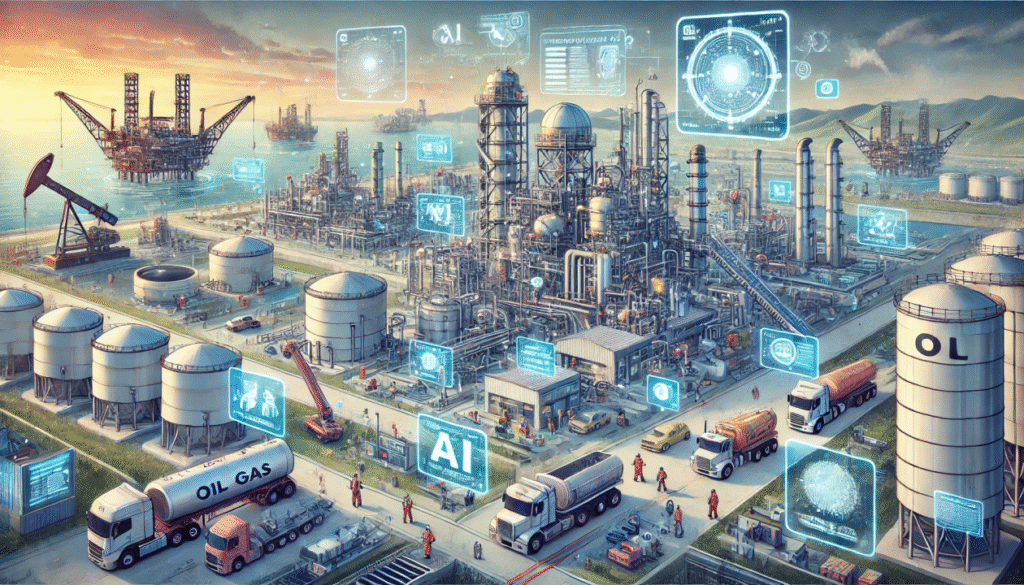
As the world shifts toward renewables, AI is playing a crucial role in bridging traditional oil and gas with the green energy future.
AI in Carbon Capture: Optimizing CO₂ storage and monitoring leaks.
Renewable Integration: Balancing power from solar, wind, and traditional sources.
Emission Tracking: Using AI sensors to ensure compliance with climate goals.
AI is not just modernizing oil and gas; it’s helping the sector align with the global transition toward sustainability.
Education and Upskilling Opportunities
To stay relevant, energy professionals are returning to school not necessarily for new degrees, but for digital certifications that align with AI-driven trends.
Recommended learning paths include:
AI for Energy Professionals (Coursera/IBM)
Data Science in the Energy Sector (Udemy)
Automation and Control Systems (OPITO Certified)
Cybersecurity in Industrial Systems (edX)
Many universities, including Texas A&M University and Heriot-Watt University, now offer energy programs that integrate AI and data science components.
Regional Trends in AI Adoption
The pace of AI adoption in energy varies by region:
North America: Leading in AI-driven drilling, analytics, and predictive maintenance.
Europe: Integrating AI into sustainability and emissions tracking initiatives.
Middle East: Investing heavily in automation for efficiency and safety.
Asia-Pacific: Rapidly scaling AI applications in offshore exploration and refining.
This global adoption means AI literacy will soon be a standard skill requirement for most energy professionals.
Challenges Ahead
Despite its promise, integrating AI in energy isn’t without challenges:
Data Security Risks: Cyber threats targeting industrial systems.
Skill Shortages: Demand for AI-trained energy professionals far exceeds supply.
Implementation Costs: High initial investment in infrastructure.
Cultural Resistance: Some workers fear automation, requiring mindset shifts.
Successful companies are addressing these issues through AI education, transparent communication, and inclusive workforce planning.
The Road Ahead: AI and the Future Workforce
Looking forward, the AI-enabled energy workforce will be defined by intelligence, adaptability, and collaboration.
The Future Landscape
Smaller, smarter teams managing highly automated platforms.
Cross-disciplinary professionals blending engineering, data, and environmental science.
Global remote operations centers connected via cloud systems.
Continuous digital learning integrated into career development.
AI isn’t replacing energy jobs, it’s redefining them for a smarter, safer, and more sustainable future.
The future of oil and gas careers is being written in code, data, and algorithms. AI is empowering a new generation of engineers, technicians, and analysts to work more efficiently and safely than ever before.
Those who embrace this transformation, learning how to harness AI tools and integrate them into daily operations will lead the next wave of the energy revolution.
The industry’s future belongs to those who understand both energy and intelligence where man and machine collaborate to power the world responsibly.