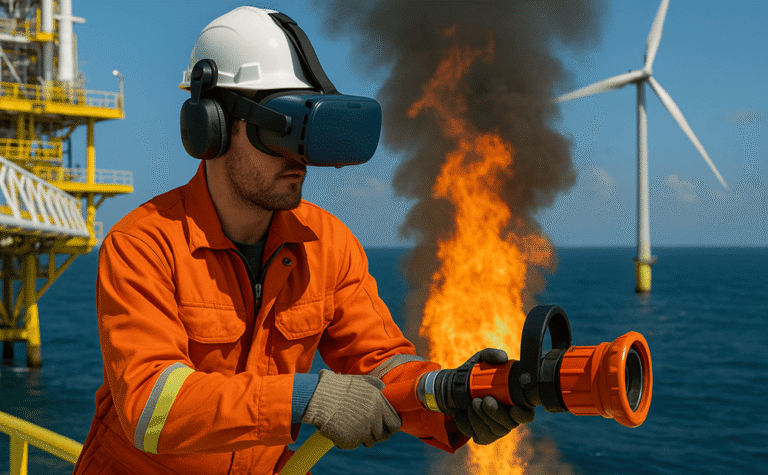



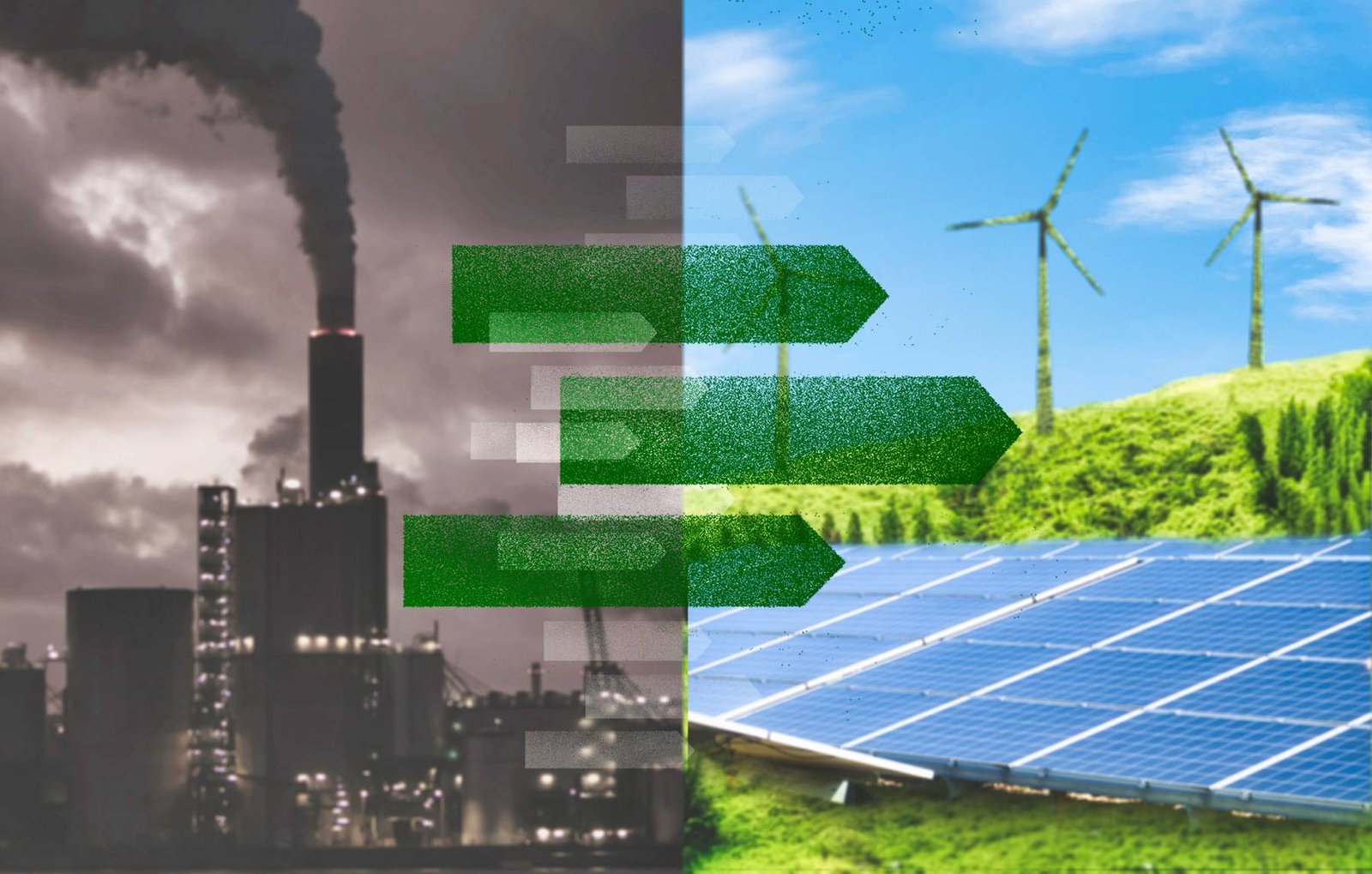

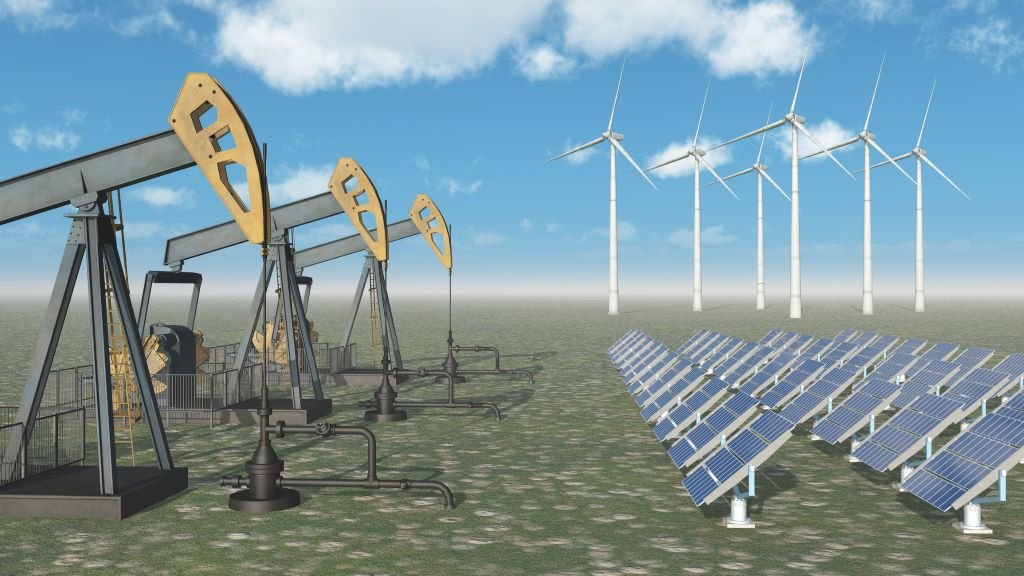
For over a century, oil and gas have powered the global economy fueling transportation, manufacturing, and entire nations. But as climate change, policy reforms, and investor pressure accelerate the demand for cleaner energy, the industry stands on the edge of its greatest transformation yet.
This shift known as the green energy transition, is not just about replacing fossil fuels with renewables. It’s also about reimagining the workforce that has powered the energy industry for decades.
Thousands of oil and gas professionals are now bringing their skills, experience, and ingenuity to wind, solar, hydrogen, and carbon capture projects. In short, the same people who built the fossil fuel era are now building the future of sustainable energy.
The Global Energy Transition: A New Era
Governments and corporations worldwide are racing to reach net-zero emissions by 2050. Major economies from the United States to the European Union are investing billions into renewable energy and clean technology.
According to the International Energy Agency (IEA), renewables are projected to account for nearly 50% of global electricity production by 2030, while oil demand will peak before 2035.
This global push has created an unprecedented demand for talent in emerging sectors like:
Offshore wind and tidal energy
Green hydrogen production
Carbon capture and storage (CCS)
Energy storage and grid modernization
Electric vehicle infrastructure
And who is best positioned to fill these roles? The oil and gas professionals who already understand large-scale energy systems, offshore operations, and industrial safety.
Transferable Skills from Oil & Gas to Renewables
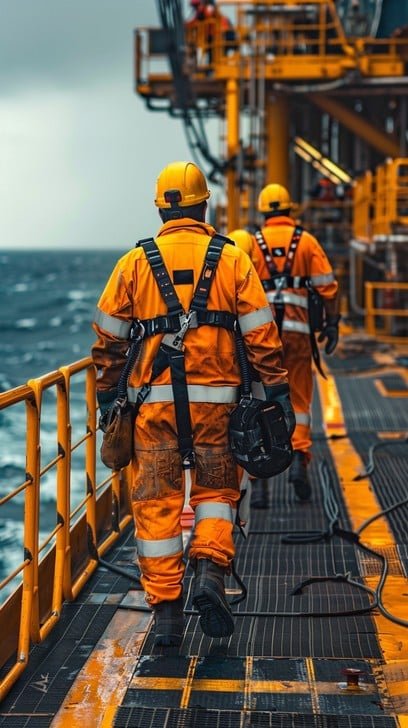
Energy professionals transitioning from oil and gas bring a wealth of expertise that’s directly applicable to renewable energy.
| Skill Area | Oil & Gas Application | Renewable Energy Application |
|---|---|---|
| Engineering & Design | Drilling, pipelines, platform design | Wind turbine foundations, offshore substations |
| Project Management | Exploration and production scheduling | Wind farm and solar project coordination |
| Health, Safety & Environment (HSE) | Hazard prevention, offshore safety | Environmental compliance in wind and solar farms |
| Electrical & Mechanical Systems | Power generation, compression systems | Wind turbine maintenance, energy storage systems |
| Subsea & Marine Operations | Offshore rig operations | Offshore wind installation, tidal systems |
This overlap makes oil and gas professionals indispensable to the renewable revolution. Their experience in risk management, large-scale logistics, and extreme environments gives them a head start in green industries.
Offshore Energy: From Oil Platforms to Wind Turbines
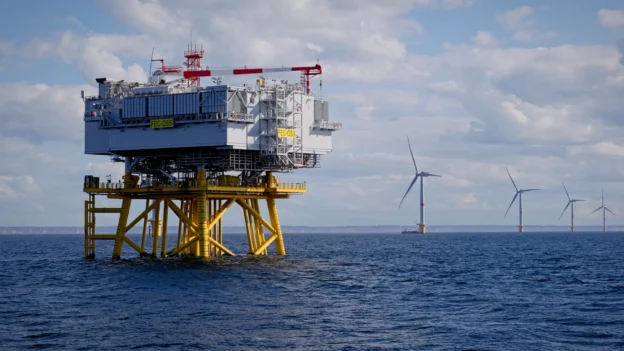
Offshore workers are uniquely suited for the green transition. Many offshore oil and gas skills from electrical engineering to subsea inspection are directly transferable to offshore wind energy, one of the fastest-growing renewable sectors in the world.
The North Sea, once dominated by oil platforms, is now home to some of the largest offshore wind farms.
The U.S. East Coast is seeing rapid offshore wind expansion in states like New York, Massachusetts, and Virginia.
Asia-Pacific nations like Japan and Taiwan are building offshore infrastructure inspired by oil and gas engineering.
Oil rig workers, divers, and technicians are transitioning to roles as wind turbine installers, cable engineers, and operations managers, often with only minimal retraining through programs such as the Global Wind Organisation (GWO) certification.

Green Hydrogen: The Next Big Frontier
Hydrogen particularly green hydrogen produced using renewable electricity is emerging as a critical player in the world’s clean energy future.
Oil and gas engineers, who are already experts in handling pressurized gases, pipelines, and large-scale production systems, are essential to this emerging field.
Process engineers are adapting refinery technologies to hydrogen production.
Pipeline specialists are developing infrastructure to transport hydrogen safely.
Safety experts are writing new standards for handling high-pressure systems.
Countries like Germany, Saudi Arabia, and Australia are leading massive hydrogen projects that rely heavily on professionals with oil and gas experience.
Carbon Capture and Storage (CCS): Oil Expertise Reimagined
Another major growth area for traditional energy talent is Carbon Capture and Storage (CCS) the process of trapping and storing carbon dioxide emissions underground to prevent them from entering the atmosphere.
Many of the world’s first CCS projects are led by oil companies leveraging their deep geological knowledge and drilling expertise.
Reservoir engineers now design storage formations for CO₂ instead of hydrocarbons.
Subsurface geologists use seismic data to identify safe carbon storage sites.
Drilling technicians adapt existing rigs to inject carbon instead of extracting oil.
According to the Global CCS Institute, over 200 CCS projects are currently in development worldwide, a number expected to triple by 2030.
The Role of AI and Digital Transformation
The green transition isn’t only about replacing fuels, it’s about digital transformation. Artificial intelligence (AI), machine learning, and data analytics are optimizing everything from wind farm performance to energy grid stability.
Oil and gas professionals are already accustomed to working with data-intensive systems, making them ideal for these roles.
AI in Renewables: Predicts maintenance needs and optimizes energy production.
Digital Twins: Virtual replicas of offshore wind farms for real-time performance monitoring.
Predictive Analytics: Reduces downtime and improves system reliability.
Companies are hiring data analysts, automation engineers, and AI specialists who understand industrial energy systems many of whom are transitioning from oil and gas backgrounds.
Training and Certification: Bridging the Skills Gap
Transitioning to renewables doesn’t always mean starting over. Many professionals can upskill quickly through specialized certifications and short-term training.
Key Programs for Transitioning Workers
GWO Basic Safety Training (BST) – For offshore wind technicians.
NEBOSH Environmental Management – For environmental and safety professionals.
BOSIET – Still relevant for offshore work, whether in oil or wind.
Hydrogen Safety Training (DNV) – For hydrogen handling and storage.
Renewable Energy Management (edX) – Online course for managers transitioning into clean energy leadership.
Governments and energy firms are investing heavily in reskilling programs to ensure oil and gas workers remain employable in the green economy.
Salaries and Job Outlook
The good news for transitioning workers is that renewable energy salaries are highly competitive.
| Role | Average Annual Salary (USD) | Sector |
|---|---|---|
| Offshore Wind Technician | $80,000 – $120,000 | Renewables |
| Hydrogen Process Engineer | $110,000 – $150,000 | Renewables |
| Carbon Capture Specialist | $100,000 – $140,000 | CCS |
| Energy Data Analyst | $90,000 – $130,000 | Digital Energy |
| HSE Manager | $100,000 – $160,000 | Both |
According to Energy Jobline, experienced oil and gas professionals often enter renewables with a 10–20% salary premium due to their technical background and offshore experience.
Regional Hotspots for Green Energy Careers
North America
United States: Massive offshore wind projects in the Atlantic; growing hydrogen industry in Texas and California.
Canada: Expanding carbon capture and offshore renewables.
Europe
United Kingdom & Norway: Leading offshore wind and hydrogen development.
Germany & Netherlands: Strong investment in CCS and hydrogen infrastructure.
Middle East
UAE & Saudi Arabia: Pivoting toward green hydrogen and solar megaprojects.
Asia-Pacific
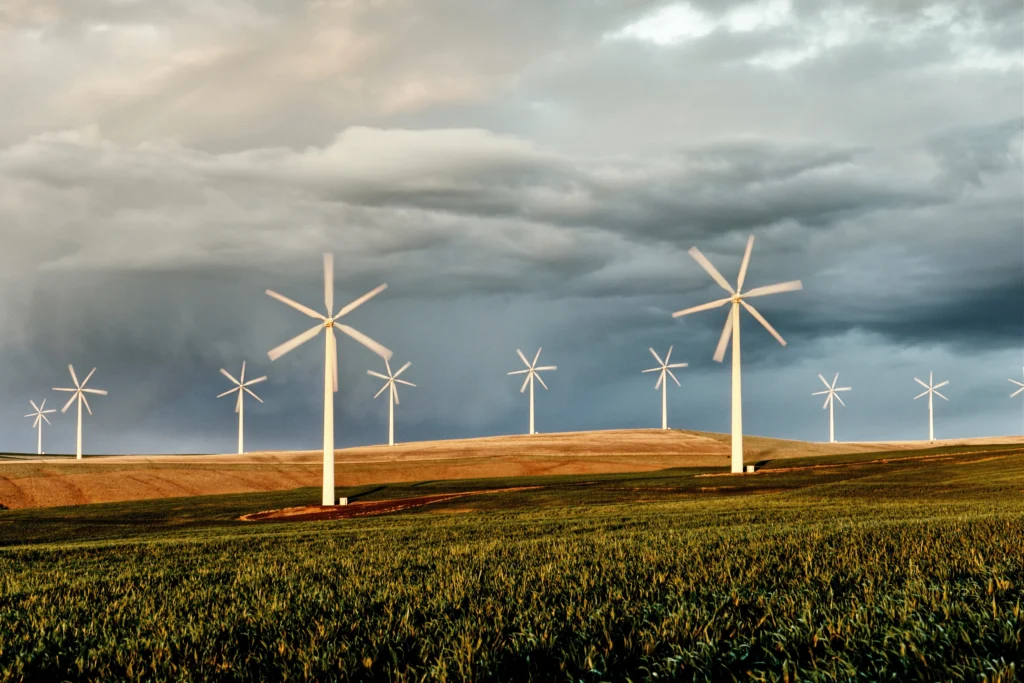
China & South Korea: Rapid expansion in offshore wind.
Australia: Major green hydrogen exporter of the future.
Challenges in the Transition
Despite the opportunities, the transition isn’t without challenges.
Skill Gaps: Many workers require retraining in renewable systems or digital tools.
Perception Issues: Some see renewables as less stable or profitable though this is changing rapidly.
Policy Inconsistencies: Different countries move at different speeds in renewable adoption.
Job Mobility: Offshore workers may need to relocate or accept new work rotations.
However, governments and companies are working to address these barriers through education, incentives, and inclusion programs that ensure no worker is left behind.
How Oil & Gas Companies Are Leading the Green Shift
Major oil and gas firms are no longer resisting change, they’re leading it.
BP: Aims for 50 GW of renewable capacity by 2030.
Shell: Investing billions in wind, hydrogen, and EV infrastructure.
TotalEnergies: Targets 100 GW of renewable generation by 2030.
Equinor: Transitioning from a petroleum company to a “broad energy company.”
These companies are retraining their workforce, merging oil and renewable teams, and redefining what it means to be an energy professional.
The Future Workforce: A Hybrid Generation
The next decade will see the rise of the hybrid energy professional, a worker who understands both fossil fuels and renewables.
The Future Energy Worker Will:
Operate across multiple energy systems (oil, gas, wind, hydrogen).
Combine engineering with digital and environmental knowledge.
Prioritize sustainability alongside productivity.
Embrace continuous learning and innovation.
As the line between traditional and renewable energy blurs, this hybrid skill set will be the most valuable asset in the global energy market.
The Human Side of the Green Transition
At its core, the energy transition is not just technological, it’s human. It’s about workers adapting, leaders guiding, and communities evolving together.
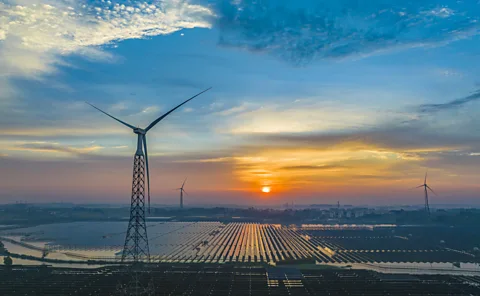
The shift from oil rigs to renewables represents more than just a change in industry; it’s a redefinition of purpose. Many professionals who once extracted energy from the earth now generate it from the wind and sun, ensuring a sustainable legacy for future generations.
Their resilience, adaptability, and innovation are proof that the human element remains the most powerful energy source of all.
The journey from oil rigs to renewables is not an abandonment of the past, it’s an evolution of it. The same engineers, technicians, and operators who built the modern world are now leading the charge into a cleaner, smarter, and more sustainable energy future.
The green transition isn’t a replacement, it’s a reinvention. And it’s being powered by the experience, strength, and spirit of the people who know energy best.
The next era of energy belongs to professionals who see change not as a challenge, but as an opportunity to build something better.