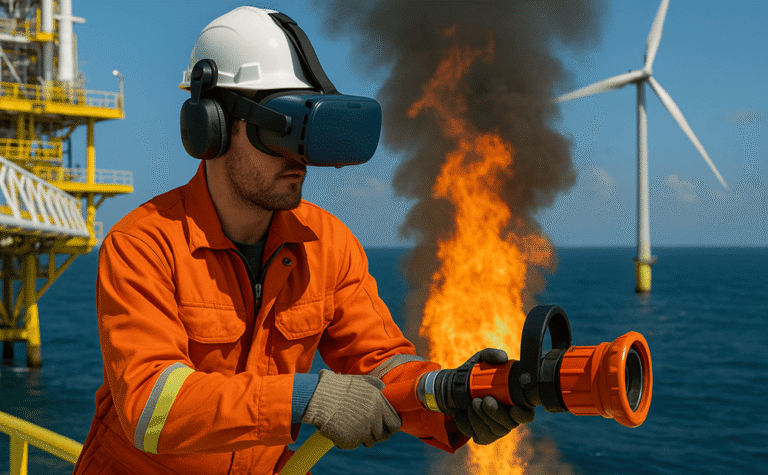




The global energy landscape is undergoing one of the most dramatic transformations in history. For more than a century, oil and gas have powered industries, fueled transportation, and driven economic growth. But now, the world is turning toward cleaner, more sustainable energy sources and at the center of this change are the very professionals who built the fossil fuel era.
Energy professionals from oil rigs to refineries are now leading the charge in renewables, applying their technical knowledge, discipline, and innovation to shape a greener future. This isn’t a story of replacement; it’s a story of reinvention, one where experience from traditional energy sectors is propelling the global transition to sustainability.
The Global Push Toward Clean Energy
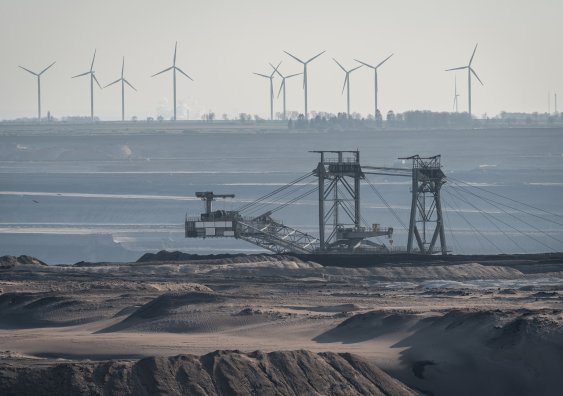
Governments and corporations across the globe have pledged to achieve net-zero carbon emissions by mid-century. The International Energy Agency (IEA) projects that renewable energy will account for almost 50% of global electricity generation by 2030, with major investments in offshore wind, hydrogen, and energy storage.
Meanwhile, fossil fuel producers are diversifying. Oil giants like Shell, BP, and Equinor have committed billions to renewable projects, rebranding themselves as “energy companies” rather than oil producers.
For the millions of workers who once defined the oil and gas sector, this shift opens an unprecedented opportunity: to apply decades of technical and operational expertise to a cleaner, smarter, and more sustainable energy system.
Transferable Skills: Why Oil & Gas Workers Are Essential
The idea that oil and gas skills don’t fit into renewables is a myth. In fact, many of the core competencies in offshore and onshore fossil fuel work are directly transferable to clean energy roles.
| Skill Area | Oil & Gas Experience | Renewable Energy Application |
|---|---|---|
| Engineering | Rig design, drilling, and pipelines | Wind turbine installation, grid design |
| Project Management | Large-scale construction coordination | Offshore wind farm and solar park management |
| Electrical Systems | Power generation and distribution | Solar, battery, and wind electrical systems |
| HSE (Health, Safety & Environment) | Hazard management offshore | Renewable project safety and sustainability compliance |
| Marine Operations | Offshore platforms and logistics | Wind turbine installation vessels and underwater cabling |
| Data & Digital Systems | Drilling analytics, sensors | Predictive maintenance for renewable assets |
The same skill set that keeps offshore rigs running efficiently is now being used to build, operate, and maintain offshore wind farms, hydrogen facilities, and carbon capture systems.
The Offshore Workforce: From Oil Rigs to Wind Farms
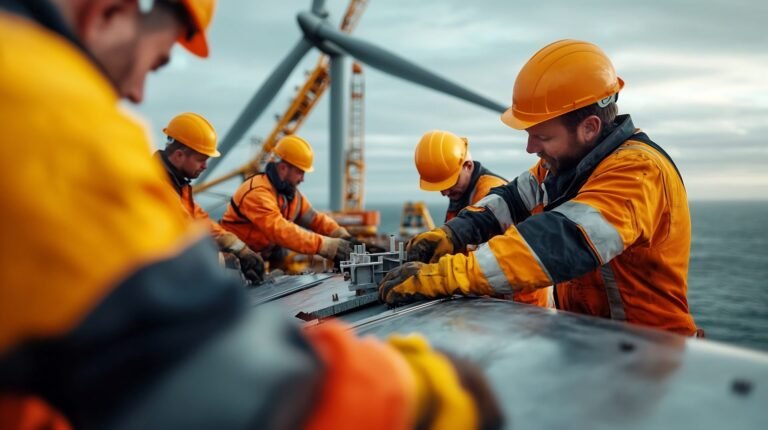
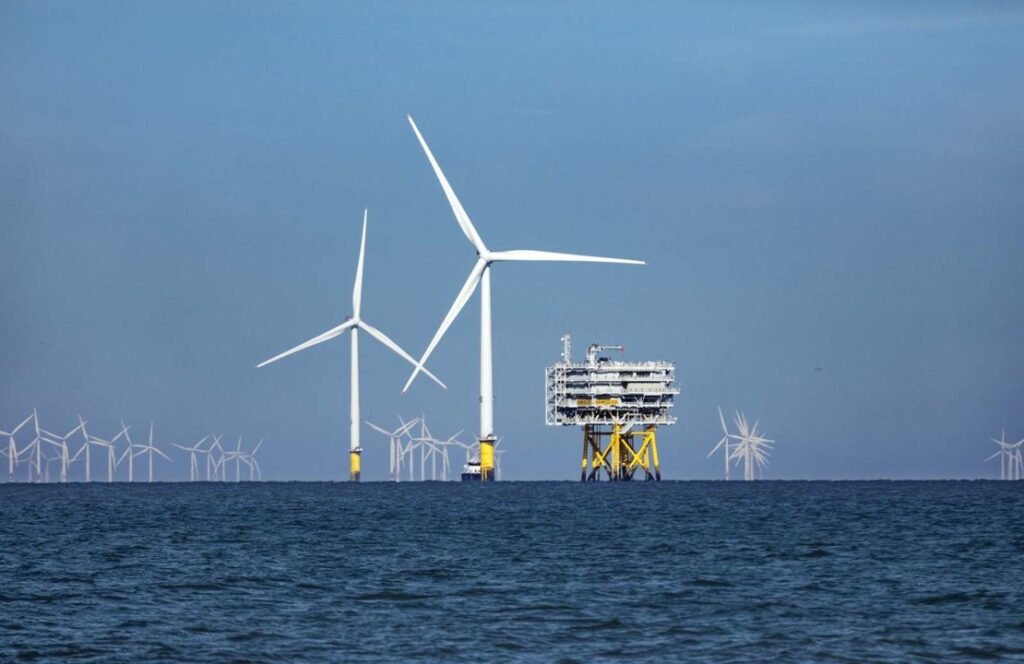
No group embodies this transition better than offshore workers. Decades of experience working in extreme environments have made them indispensable to the rapidly growing offshore wind industry.
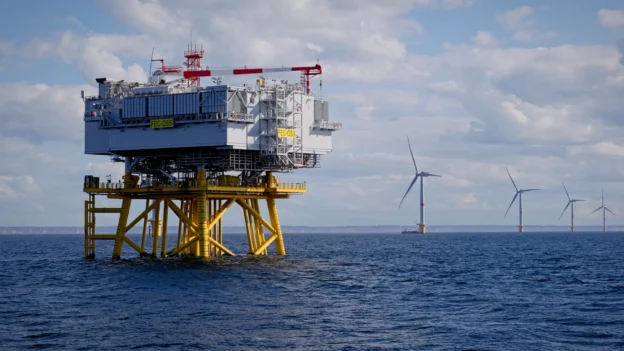
The North Sea, once the center of Europe’s oil boom, is now home to massive offshore wind projects like Dogger Bank, which will power millions of homes.
U.S. East Coast projects like Vineyard Wind and Empire Wind are hiring former oil platform engineers and technicians.
Asia-Pacific nations including Japan and South Korea are recruiting offshore specialists for their wind and tidal projects.
Training programs such as the Global Wind Organisation (GWO) and OPITO have developed fast-track certifications to help oil and gas professionals pivot into renewables without starting over.
The Rise of Green Hydrogen
Green hydrogen — produced using renewable electricity to split water into hydrogen and oxygen — is emerging as a major player in the clean energy transition.
Oil and gas professionals bring unique expertise to hydrogen development:
Process engineers understand gas handling, pressurization, and safety systems.
Pipeline engineers can adapt existing infrastructure for hydrogen transport.
Operations managers bring decades of experience in large-scale energy production.
Countries like Germany, Saudi Arabia, and Australia are pioneering hydrogen megaprojects that rely heavily on traditional energy talent.
For example, the NEOM Green Hydrogen Project in Saudi Arabia employs many engineers with oil and gas backgrounds to design and operate its facilities safely.

Carbon Capture and Storage: Old Skills, New Purpose
While renewables grow, fossil fuels will remain part of the global mix, which means carbon capture and storage (CCS) will be critical for reducing emissions.
CCS involves capturing CO₂ from industrial sources and storing it underground, a process that uses the same geological and drilling expertise developed in oil and gas.
Reservoir engineers now manage CO₂ storage sites instead of oil wells.
Geophysicists use seismic data to map safe carbon storage locations.
Drilling crews adapt existing rigs for carbon injection.
The Global CCS Institute reports that more than 200 active CCS projects are under development globally, and many are led by engineers who began their careers in the oil and gas industry.
Digital Transformation: AI Meets Energy
As both oil and renewables become more data-driven, digital transformation is reshaping how energy systems are designed and operated.
Digital Trends Shaping the Transition
AI-powered predictive maintenance for turbines and compressors.
Digital twins for monitoring offshore platforms and wind farms in real time.
Robotics and drones for inspection and maintenance tasks.
Smart grids and data analytics to balance renewable supply and demand.
Oil and gas professionals, already accustomed to working with complex data and automation, are uniquely qualified for these roles. Energy companies now hire data scientists, automation engineers, and AI technicians to optimize performance across all energy assets.
Training and Upskilling: The Bridge Between Sectors
Transitioning from oil and gas to renewables doesn’t mean starting from scratch — but it does require new skills.
Top Training Programs for Transitioning Workers
GWO Basic Safety & Technical Training – Required for offshore wind technicians.
NEBOSH Environmental Management – Strengthens environmental awareness.
Hydrogen Safety Certification (DNV) – For engineers entering the hydrogen sector.
BOSIET – Still essential for offshore work across both oil and renewables.
Renewable Energy Management on edX – Online management and transition training.
Governments and private companies are launching transition programs to support workers. The UK North Sea Transition Deal, for example, aims to retrain over 40,000 oil and gas workers for renewable energy jobs by 2030.
Pay and Career Outlook: Green Is the New Gold
The renewable energy sector isn’t just sustainable, it’s lucrative. Salaries for skilled professionals often match or exceed those in oil and gas.
| Role | Average Salary (USD) | Sector |
|---|---|---|
| Offshore Wind Engineer | $90,000 – $130,000 | Renewables |
| Hydrogen Process Engineer | $110,000 – $160,000 | Renewables |
| Carbon Capture Specialist | $100,000 – $140,000 | CCS |
| HSE Manager | $100,000 – $150,000 | Cross-sector |
| Data & Automation Specialist | $90,000 – $130,000 | All Energy |
The International Renewable Energy Agency (IRENA) projects that the renewable energy sector will create over 40 million jobs globally by 2050, many of which will be filled by experienced oil and gas professionals.
Regional Energy Hubs Leading the Transition
North America
Offshore wind expansion along the U.S. East Coast.
Hydrogen and CCS projects in Texas, Louisiana, and Alberta.
Europe
North Sea leading global offshore wind and CCS innovation.
Germany and the Netherlands spearheading hydrogen development.
Middle East
The UAE and Saudi Arabia investing heavily in hydrogen and solar energy.
Asia-Pacific
China, South Korea, and Australia driving offshore renewables and storage.
Each region is evolving differently, but everywhere, traditional energy expertise is crucial to meeting renewable energy goals.
Challenges in the Transition
The move from oil rigs to renewables isn’t without obstacles:
Skill gaps in digital systems and renewable-specific technology.
Cultural adjustment from traditional command structures to collaborative teams.
Job security fears in early-stage renewable markets.
Geographical mobility, as workers relocate from oil regions to renewable hubs.
To overcome these challenges, companies must prioritize training, mentorship, and workforce inclusion, ensuring that no worker is left behind in the clean energy revolution.
A New Definition of Energy Professionalism
The green transition isn’t just about technology, it’s about mindset. Today’s energy professional must blend engineering precision with sustainability consciousness.
The New Energy Professional
Understands both fossil and renewable systems.
Uses digital tools to optimize energy efficiency.
Champions sustainability, diversity, and safety.
Adapts continuously through lifelong learning.
This hybrid professional is becoming the backbone of a unified global energy industry, one that bridges the gap between the oil age and the renewable era.
The Future of Energy Work: Collaboration Over Competition
Oil, gas, and renewable energy aren’t rivals, they’re interconnected. The clean transition requires cooperation across sectors to ensure energy reliability and global development.
Many companies are building hybrid portfolios, operating both oil assets and renewable projects simultaneously, ensuring steady energy supply while reducing carbon intensity.
The future workforce will move fluidly between projects, technologies, and energy types, using a shared commitment to innovation and safety as their common ground.
The Human Side of the Transition
Beyond technology and economics, the energy transition is deeply human. It’s about the people who spent their lives powering the world, now applying that same dedication to save it.
Every offshore worker who maintains a turbine, every engineer who designs a hydrogen plant, every safety officer who ensures crews go home safely, they are the true architects of the green transition.
Their knowledge, resilience, and adaptability are proof that the move to renewable energy isn’t about replacing workers, it’s about empowering them to build a cleaner future.
From oil rigs to renewables, the story of the energy transition is not about endings, but beginnings. The professionals who once drilled deep beneath the ocean floor are now reaching higher, harnessing the wind, sun, and water to power the planet sustainably.
As the energy world transforms, one truth remains constant: it’s people who make progress possible. Their leadership, experience, and innovation will ensure the lights stay on, this time, powered by the clean energy of tomorrow.