




The global energy industry is undergoing its most significant transformation in more than a century. As countries race toward net-zero targets and companies invest heavily in renewable technologies, one question dominates discussions across boardrooms, project sites, and offshore installations:
Who will build the future energy system and how do we prepare them?
The answer increasingly points to a surprising source: the existing oil & gas workforce.
Contrary to the misconception that the renewable energy transition sidelines traditional energy professionals, the reality is far more interconnected. Skills developed in oil & gas engineering precision, offshore safety, project management, asset integrity, geology, and high-risk operations are exactly what the renewable sector needs to scale safely and efficiently.
Reports from the International Energy Agency (IEA) highlight that global renewable power capacity must triple by 2030 to meet climate commitments.¹ Achieving this will require an unprecedented surge in skilled labor, much of which can come directly from oil & gas. Training bodies like OPITO and certifications such as GWO (Global Wind Organisation) standards are helping streamline this movement, making cross-sector mobility more accessible than ever.²
This is not a story of one industry replacing another but of two industries merging their strengths. This article explores how oil & gas skills are accelerating the renewable revolution and what this means for workers, companies, and the global energy future.

Why Oil & Gas Talent Is Critical to Renewable Growth
1. A Skills Gap That Needs Immediate Solutions
The renewable energy workforce is growing rapidly, but not fast enough. According to the IRENA Renewable Energy and Jobs Report, the sector will require millions of additional skilled workers by 2030.³ Wind, solar, hydrogen, and carbon capture projects all face shortages of:
Technicians
Engineers
Health & safety specialists
Marine and offshore workers
Electrical experts
Project managers
Meanwhile, oil & gas holds a deep bench of experienced professionals whose skills align naturally with renewable projects.
2. Oil & Gas Offers Decades of Complex Engineering Experience
Renewables like offshore wind and green hydrogen still rely heavily on engineering methods perfected in fossil fuel sectors:
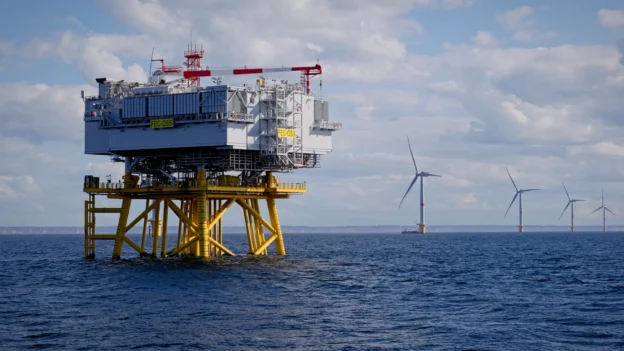
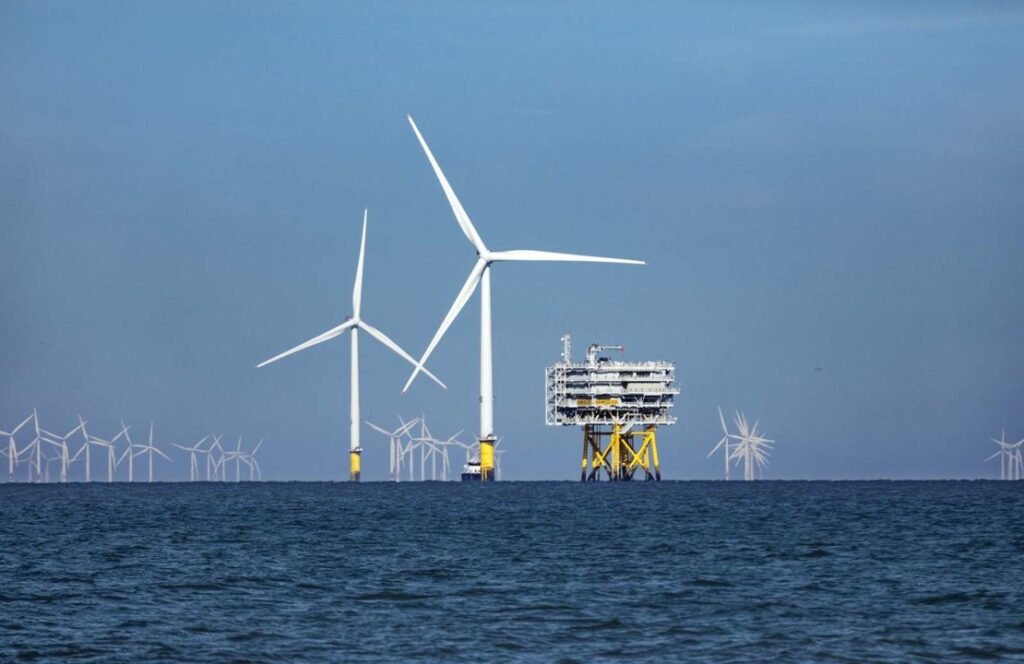
Turbine foundations resemble offshore platform foundations
Subsea cables follow many of the same methodologies as subsea pipelines
Hydrogen systems rely on gas-handling expertise
Floating wind mirrors FPSO and semi-submersible design principles
Renewables need the same discipline, rigor, and safety culture that oil & gas has spent decades refining.
3. Safety Leadership and Human Factors Expertise
Oil & gas workers are trained in some of the world’s strictest safety regimes:
Permit-to-work systems
Process safety
Emergency response
Hazard identification (HAZID)
HAZOP methodology
Major accident prevention
Helicopter transport safety
Offshore survival
Regulators such as the UK Health & Safety Executive (HSE) emphasize that strong safety frameworks are critical as renewable projects expand in scale and complexity.⁴ Oil & gas brings that maturity.

Key Oil & Gas Skills Driving the Renewable Workforce
1. Offshore Operations & Marine Competence
Offshore wind one of the fastest-growing renewable sectors relies almost entirely on oil & gas competencies:
Vessel operations
Turbine access systems
Heavy lifting
Marine coordination
Subsea operations
Jacket and monopile installation
Cable laying
Workers with offshore experience transition seamlessly into wind farm environments.
2. Mechanical, Electrical & Instrumentation Skills
Solar farms, hydrogen plants, and wind turbines require:
Electrical troubleshooting
High-voltage (HV) systems
Control systems
Rotating equipment monitoring
Mechanical maintenance
These are core strengths for oil & gas technicians.
3. Project Management and Large-Scale Execution
Oil & gas mega-projects LNG plants, offshore platforms, deepwater fields are some of the most complex on Earth. This experience translates into renewables that require large-scale coordination:
Multi-contractor oversight
Risk management
Procurement and logistics
Regulatory compliance
Multi-year planning
Commissioning and start-up
Renewables benefit greatly from this expertise.
4. Subsurface and Geological Knowledge
CCS (carbon capture and storage) and geothermal projects require:
Reservoir modeling
Drilling and well engineering
Seismic interpretation
Geomechanics
CO₂ injection monitoring
This is the natural domain of petroleum geoscientists and drilling engineers.

5. HSE Leadership and Safety Culture
A strong safety mindset is non-negotiable across all renewable segments.
Oil & gas professionals bring:
Incident investigation experience
Safety case knowledge
Emergency response training
Behavioral safety familiarity
This foundation builds safer renewable workplaces from day one.

Sector-by-Sector: Where Oil & Gas Skills Fit in Renewables
1. Offshore Wind
Offshore wind is the most obvious bridge industry.
Oil & gas workers fit roles such as:
Wind turbine technicians
Marine coordinators
Construction supervisors
Asset integrity engineers
Rope access technicians
Cable jointers
Offshore medics
HSE advisors
Similarities include:
| Oil & Gas Task | Offshore Wind Equivalent |
|---|---|
| Platform maintenance | Turbine maintenance |
| Helicopter transport | Crew transfer vessels/helicopters |
| Offshore safety training (BOSIET) | GWO Basic Safety Training |
| Subsea pipeline work | Subsea cable installation |
This crossover is already happening at scale.
2. Onshore & Utility-Scale Solar
Oil & gas electricians, instrument techs, and mechanical techs excel in:
Solar farm construction
Inverter maintenance
HV system management
SCADA operations
Troubleshooting
Solar projects value oil & gas safety and maintenance discipline.
3. Green Hydrogen
Hydrogen production uses:
Gas compression
Electrolysis
High-pressure handling
Process safety
Industrial control systems (ICS)
Chemical engineers and process operators from oil & gas play a crucial role.
4. Carbon Capture & Storage (CCS)
CCS is where oil & gas skills are not just useful they are indispensable.
Needs include:
Reservoir expertise
Well integrity monitoring
CO₂ injection engineering
Pipeline transport knowledge
According to the IEA CCUS report, oil & gas infrastructure will enable many early CCS hubs.⁵
5. Geothermal
Drilling engineers, mud loggers, and geologists transition naturally into geothermal exploration and well operations.
Training Pathways: How Workers Transition Effectively
Transitioning to renewables doesn’t require starting from scratch. In most cases, oil & gas workers simply need:
A renewable-sector certification
Familiarity with new equipment
Updated safety training
Key pathways include:
1. GWO (Global Wind Organisation) Certification
For offshore wind careers, the GWO Basic Safety Training (BST) modules cover:
Working at heights
Sea survival
Fire awareness
First aid
Manual handling
These courses complement OPITO training and are often shorter/easier for experienced offshore workers.
2. OPITO’s Renewable Training Framework
OPITO has launched cross-sector standards that help technicians move between offshore industries.²
3. Micro Credentials and Upskilling Programs
Workers commonly pursue short courses in:
HV switching
Composite blade repair
SCADA systems
Electrical installations
Rope access (IRATA)
4. Company-Sponsored Transition Programs
Many major operators have internal pathways for transitioning staff into renewable projects.
Why Companies Want Oil & Gas Experience
1. Lower Training Time
Experienced offshore workers require:
Less onboarding
Fewer safety refreshers
Minimal orientation
Because they already understand offshore risk.
2. Better Safety Outcomes
Oil & gas’s mature safety systems directly improve renewable site safety.
3. Faster Project Execution
Experienced project managers and construction crews accelerate timelines.
4. Reliability Under Pressure
Oil & gas veterans are familiar with:
Harsh weather
Long shifts
Remote work
High-stress decision-making
This reliability is invaluable for renewable operations.
Addressing the Misconceptions
Myth 1: Oil & Gas Workers Aren’t Welcome in Renewables
Reality: Renewable companies actively recruit oil & gas talent due to overlapping technical and HSE skills.
Myth 2: The Energy Transition Means Job Losses
Reality: Energy transitions shift jobs not eliminate them.
IEA modeling shows net job creation globally through 2030.¹
Myth 3: Renewables Are Less Technical
Modern wind, solar, and hydrogen projects are highly complex.
The industry needs the same engineering rigor as oil & gas.
How the Transition Benefits Workers
1. Expanded Career Opportunities
Workers can move between:
Oil & gas
Offshore wind
Hydrogen
CCS
Geothermal
Solar
2. Increased Job Stability
Diversifying skills improves long-term employability.
3. Competitive Salaries
Many renewable roles now match traditional oil & gas compensation.
4. Global Mobility
Renewable skills are in demand across Europe, Asia, and North America.
The Future: A Hybrid Energy Workforce
The future of the energy industry is not binary. Oil & gas and renewables will coexist for decades requiring a workforce that can operate across both domains.
A hybrid workforce will feature:
Multi-skilled technicians
Engineers competent in both fossil and renewable systems
Integrated safety standards
Digital fluency (AI, data analytics, digital twins)
Strong cross-sector mobility
This workforce will be the backbone of global energy security.
The Renewable Future Is Being Built by Today’s Energy Workers
The energy transition is not a handoff, it’s a collaboration. Oil & gas workers bring decades of technical expertise, operational resilience, and safety leadership that renewable energy desperately needs.
From offshore wind farms to hydrogen plants and CCS networks, the renewable revolution is being built by the very people who powered the oil & gas industry for generations.
As the world accelerates toward cleaner energy, bridging the skills gap is not just strategic, it is essential. And oil & gas workers are already at the center of this transformation.