



The oil and gas industry has long been one of the world’s most influential sectors, powering economies, driving innovation, and offering diverse career opportunities. For beginners, this sector can be both exciting and intimidating. With its global reach and complex operations, the industry requires a wide range of skills, from hands-on technical expertise to business, environmental, and safety knowledge.
If you’re just starting your career journey and wondering which roles could open the door to this industry, you’re in the right place. In this article, we’ll explore the top 10 entry-level oil and gas jobs that beginners can pursue. Whether you’re a high school graduate, a recent college graduate, or someone looking to make a career transition, these jobs can help you gain valuable skills, stability, and growth opportunities.
The oil and gas industry rewards those who are willing to start at the ground level, work hard, and keep learningevery roustabout, driller, and safety leader once stood where beginners stand today.
Why Consider a Career in Oil & Gas?
Before diving into the job list, let’s highlight why starting out in oil and gas can be an excellent choice:
-
Global Opportunities: The industry operates in nearly every region of the world.
-
Competitive Pay: Even entry-level roles often pay above-average salaries compared to other industries.
-
Skill Development: You’ll gain hands-on experience with cutting-edge technology and safety practices.
-
Career Growth: From technical expertise to management, career pathways are abundant.
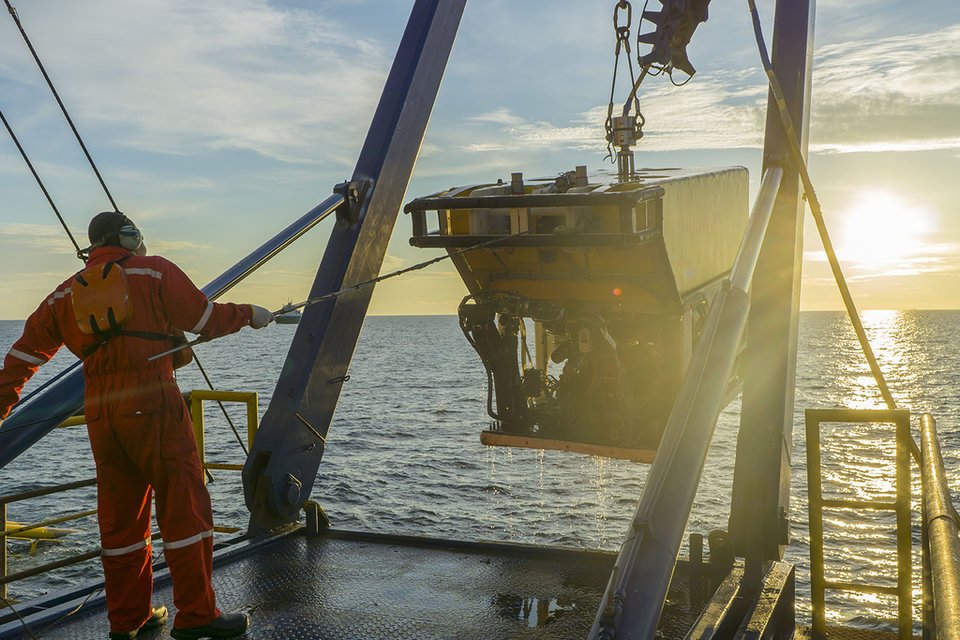
Roustabout
Often considered the first step for many, roustabouts handle general labor on oil rigs and drilling sites. The work is physically demanding but provides exposure to the industry’s core operations.
Key Responsibilities:
-
Maintaining and cleaning drilling equipment
-
Assisting with rig setup and teardown
-
Supporting drillers and other crew members
Skills & Qualifications:
-
High school diploma or equivalent
-
Strong physical stamina and safety awareness
-
Willingness to work in remote locations
Career Path:
Roustabouts often advance to roughneck, derrickman, or driller roles with experience.
Roughneck
Overview:
Roughnecks are drill crew members responsible for operating drilling machinery and assisting with well operations. It’s a step up from roustabout work, involving more technical skills.
Key Responsibilities:
-
Connecting and disconnecting drill pipes
-
Monitoring drilling operations
-
Performing maintenance on rig equipment
Skills & Qualifications:
-
Mechanical aptitude
-
Ability to work under pressure and in tough conditions
-
Teamwork and adaptability
Career Path:
This role can lead to positions such as derrickman, driller, or toolpusher.
Derrickhand (Derrickman)
Derrickhands work high above the rig floor, handling drilling pipes and ensuring drilling fluid circulation. While it’s not always an entry role, some companies hire beginners with strong mechanical skills.
Key Responsibilities:
-
Managing mud systems and drilling fluid
-
Guiding drill pipe connections
-
Working at height on the derrick platform
Skills & Qualifications:
-
Comfort with heights
-
Knowledge of rig safety standards
-
Good physical coordination
Career Path:
Derrickhands can move into driller or rig supervisor positions.
Floorhand
Floorhands assist drillers and other crew members on the rig floor. They are crucial in handling the drill pipe and maintaining equipment.
Key Responsibilities:
-
Handling drill pipe and tools
-
Cleaning and lubricating machinery
-
Performing safety checks
Skills & Qualifications:
-
High school diploma or GED
-
Strong teamwork abilities
-
Physical endurance
Career Path:
Floorhands often move into derrickhand or driller roles.
Welder Helper / Welding Apprentice
The oil and gas industry requires constant construction and maintenance, making welding a high-demand trade. Beginners can start as welder helpers or apprentices.
Key Responsibilities:
-
Assisting certified welders
-
Preparing materials and tools
-
Learning welding techniques
Skills & Qualifications:
-
Interest in welding and fabrication
-
Basic technical knowledge
-
Strong safety focus
Career Path:
With certification, helpers can become full welders, pipeline welders, or supervisors.
Field Technician (Entry-Level)
Field technicians support engineers and operators in monitoring equipment, conducting repairs, and troubleshooting. This role combines technical work with problem-solving.
Key Responsibilities:
-
Installing and maintaining equipment
-
Conducting inspections and tests
-
Recording operational data
Skills & Qualifications:
-
Technical or vocational training preferred
-
Strong problem-solving skills
-
Attention to detail
Career Path:
Field techs can advance to senior technician, engineer, or field supervisor roles.
Safety Technician (HSE Assistant)
Health, Safety, and Environment (HSE) is critical in oil and gas. Entry-level safety technicians help enforce safety protocols and train workers.
Key Responsibilities:
-
Conducting safety audits
-
Assisting with incident investigations
-
Supporting training programs
Skills & Qualifications:
-
Basic knowledge of OSHA or equivalent standards
-
Strong communication skills
-
Attention to detail
Career Path:
Safety techs can move into HSE coordinator, manager, or consultant positions.
Production Operator (Junior Operator)
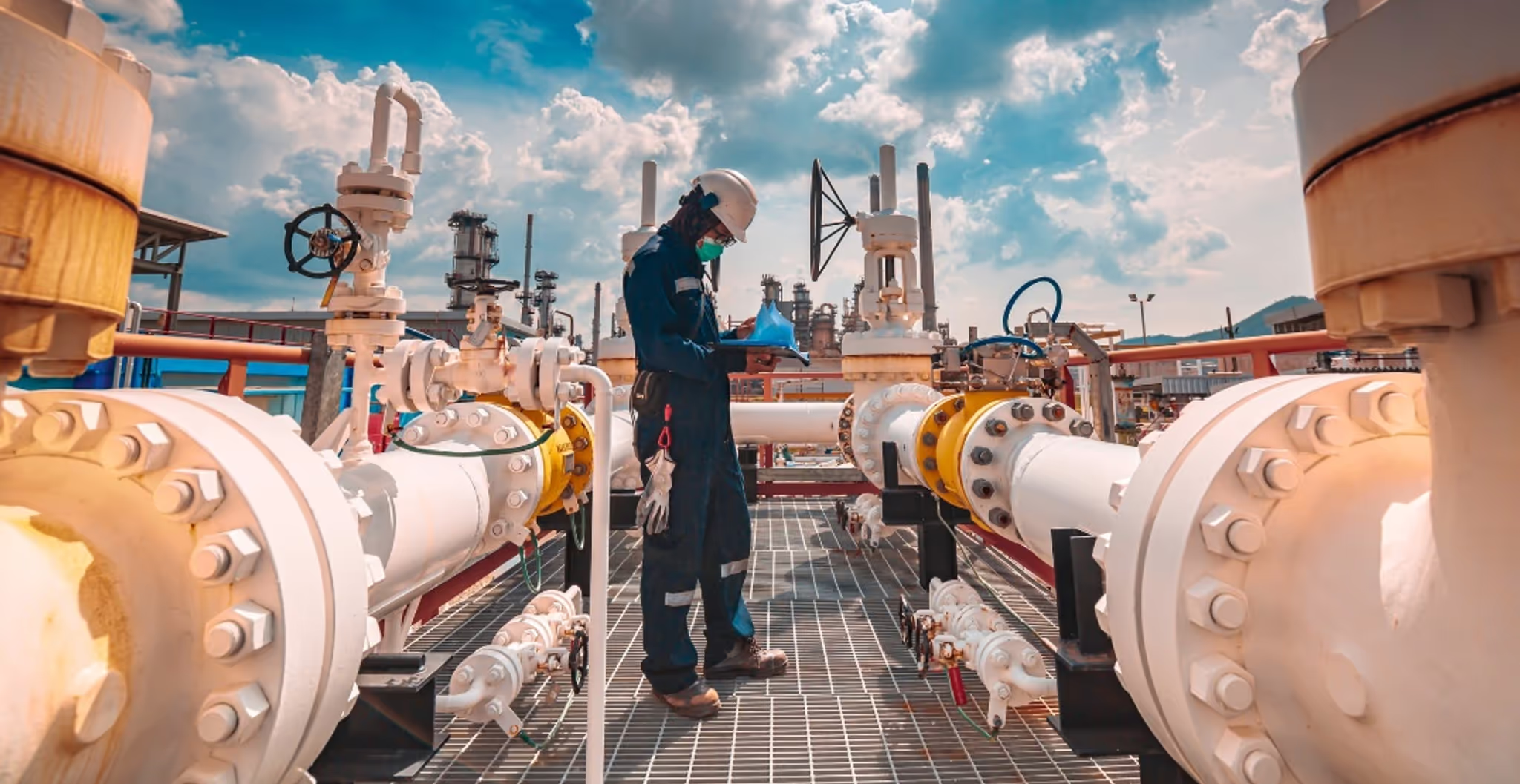
Production operators ensure that oil and gas production facilities run smoothly. Entry-level operators start by monitoring equipment and learning system operations.
Key Responsibilities:
-
Operating valves, pumps, and controls
-
Monitoring production levels
-
Performing basic maintenance tasks
Skills & Qualifications:
-
Technical knowledge or training helpful
-
Strong troubleshooting skills
-
Ability to follow detailed procedures
Career Path:
Operators can advance to senior operator, plant supervisor, or production manager roles.
Logistics Assistant / Material Handler
Overview:
The industry relies heavily on supply chain management. Entry-level logistics assistants ensure materials, tools, and parts are delivered where needed.
Key Responsibilities:
-
Managing inventory
-
Tracking shipments
-
Coordinating deliveries
Skills & Qualifications:
-
Organizational skills
-
Basic computer literacy
-
Attention to deadlines
Career Path:
This role can grow into logistics coordinator, supply chain manager, or procurement officer.
Laboratory Assistant / Sampling Technician
Not all entry-level jobs are on rigs. Lab assistants support oil and gas labs by analyzing samples of crude oil, gas, or drilling fluids.
Key Responsibilities:
-
Collecting and preparing samples
-
Running basic lab tests
-
Recording and reporting results
Skills & Qualifications:
-
Interest in science and chemistry
-
High school diploma or associate degree
-
Attention to accuracy
Career Path:
Lab assistants may advance to chemist, lab manager, or environmental analyst roles.

Tips for Landing an Entry-Level Oil & Gas Job
-
Get Industry Training: Certifications such as H2S Awareness, Basic Offshore Safety Induction and Emergency Training (BOSIET), or OSHA safety courses can boost employability.
-
Leverage Networking: Connect with industry professionals on LinkedIn or attend energy career fairs.
-
Be Location Flexible: Many opportunities exist in regions like Texas, North Dakota, Alberta, the Middle East, and offshore sites.
-
Highlight Soft Skills: Teamwork, adaptability, and a strong work ethic are highly valued.
Challenges Beginners Should Expect
-
Long Hours & Shift Work: Expect 12-hour shifts, sometimes on a 14-days-on/14-days-off schedule.
-
Remote or Offshore Assignments: Many jobs require time away from home.
-
Physical & Mental Demands: Safety and endurance are non-negotiable.
The oil and gas industry remains one of the most promising sectors for individuals looking to build a career with growth potential and global opportunities. Starting in an entry-level role may be demanding, but it provides the foundation for advancement into higher-paying and more specialized positions.
By exploring jobs like roustabout, floorhand, production operator, or safety technician, you can take the first step into a rewarding industry. With determination, training, and hands-on experience, your career in oil and gas can grow rapidly offering both financial stability and personal development.