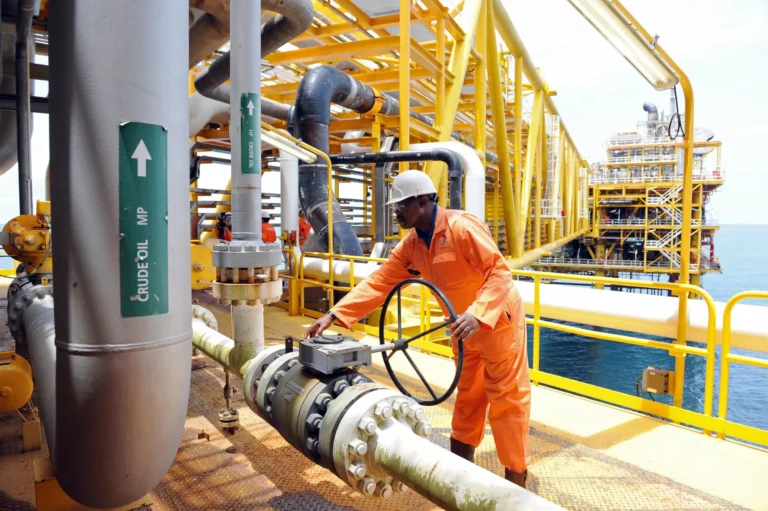



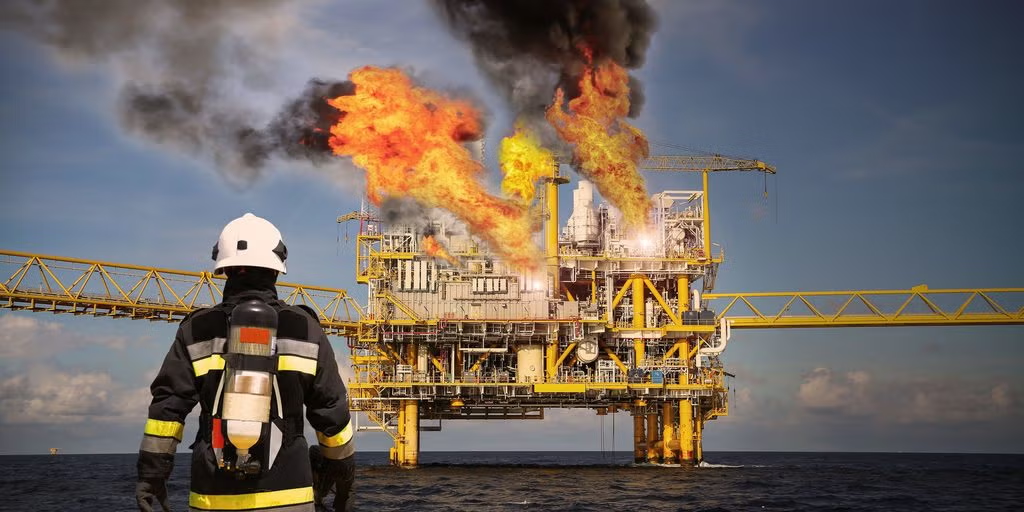

Working offshore in the oil and gas industry is both rewarding and demanding. Employees often work long shifts in isolated environments where safety is critical. While modern offshore rigs and platforms are equipped with advanced technology and rigorous safety standards, workers still face unique challenges every day.
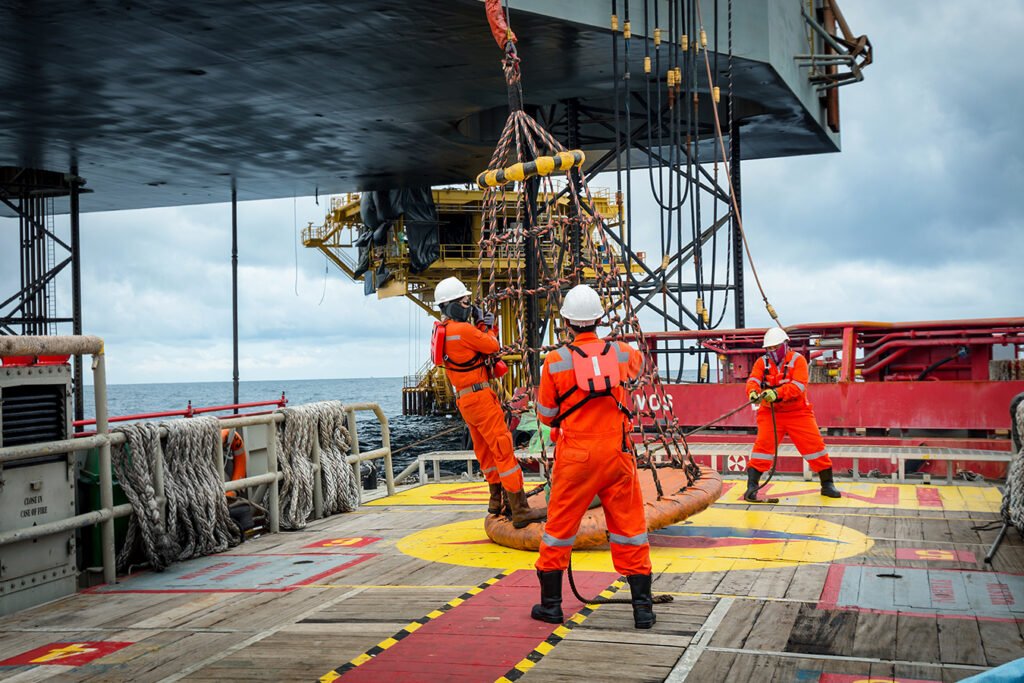
Harsh Weather and Environmental Conditions
Offshore platforms are exposed to unpredictable weather, from storms in the Gulf of Mexico to freezing conditions in the North Sea. Rough seas, high winds, and extreme temperatures put both workers and equipment at risk.
-
Hazards: Slippery decks, reduced visibility, hypothermia, equipment damage
-
Solutions: Continuous weather monitoring, safety drills, proper protective clothing
Learn more about offshore weather safety from the U.S. Coast Guard Safety Center
Fire and Explosion Risks
The presence of flammable gases and hydrocarbons means offshore platforms must always be prepared for fire and explosion risks. Even small leaks can escalate quickly if not contained.
-
Hazards: Gas leaks, blowouts, equipment malfunction
-
Solutions: Regular inspections, explosion-proof equipment, fire suppression systems, emergency evacuation plans
See fire prevention standards at OSHA Oil and Gas Safety
Heavy Machinery and Equipment Handling
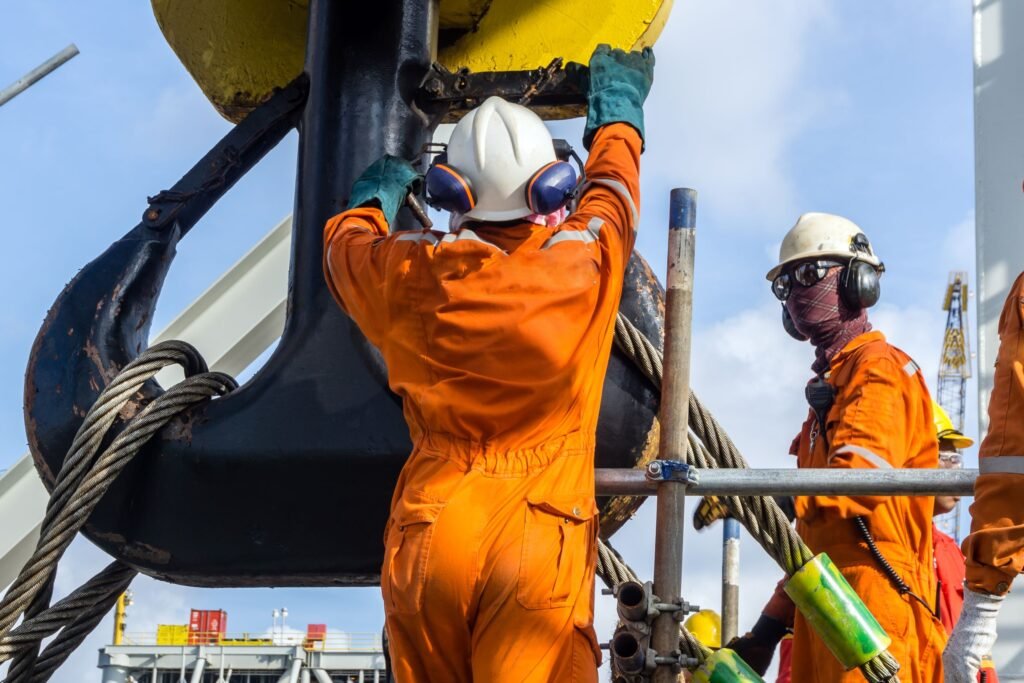
Offshore rigs rely on drilling machinery, cranes, and heavy-duty equipment. Workers are constantly exposed to moving parts, suspended loads, and high-pressure systems.
-
Hazards: Crush injuries, equipment failure, dropped objects
-
Solutions: Rigorous training, personal protective equipment (PPE), lockout/tagout procedures, safety zones around equipment
For guidelines on safe lifting and rigging, visit HSE UK Offshore Safety
Fatigue and Long Working Hours
Offshore workers often work 12-hour shifts for weeks at a time. Fatigue reduces alertness and increases the risk of accidents, especially when combined with physically demanding tasks.
-
Hazards: Reduced reaction times, mistakes in judgment, higher accident rates
-
Solutions: Rotational schedules, adequate rest periods, mental health support, safety culture that encourages reporting fatigue
Learn more from CDC NIOSH Fatigue at Work
Evacuation and Emergency Response Challenges
In case of an emergency such as a blowout, fire, or structural failure, evacuation can be complex. Workers are often hundreds of miles offshore, making quick response essential.
-
Hazards: Delays in evacuation, limited escape routes, reliance on helicopters or lifeboats
-
Solutions: Regular evacuation drills, updated emergency plans, well-maintained lifeboats and survival gear
See offshore evacuation practices at International Maritime Organization (IMO)
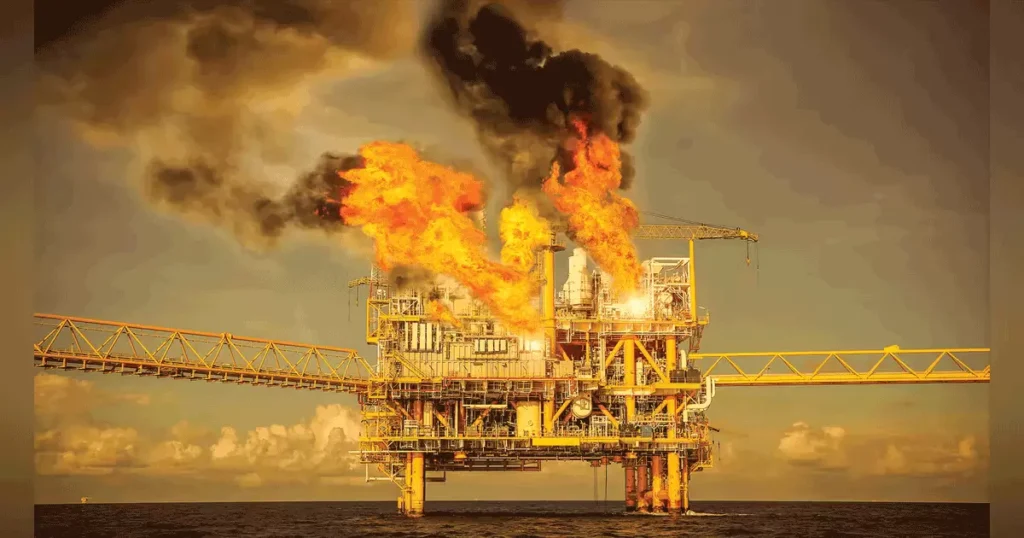
Offshore oil and gas workers face unique safety challenges every day, from battling severe weather to handling heavy machinery in high-pressure environments. The industry continues to improve safety standards, but awareness and training remain the most powerful tools for preventing accidents.
By understanding the top five safety risks and following strict safety protocols, offshore workers can protect themselves and their teams while maintaining operational efficiency.