



Working offshore is unlike any other career. It combines demanding physical work, strict safety protocols, and long shifts with the promise of high pay, teamwork, and adventure. For many, the life of an offshore worker is both challenging and rewarding. But what does a typical day look like when you are stationed miles away from land on an oil rig or production platform?
The Offshore Lifestyle
Offshore workers usually work on a rotational schedule, such as 14 days on the rig followed by 14 days off. While on the platform, they live, eat, and sleep on site. The offshore lifestyle requires adaptation because the work environment is isolated and safety focused.
Key aspects of offshore living:
-
Shared accommodation and living quarters
-
Strict safety training and briefings
-
Limited but available recreation such as gyms, TV, and internet
-
Strong camaraderie among workers due to close living arrangements

Work Shifts and Responsibilities
The work itself depends on the role. An offshore platform has a wide variety of jobs, from drilling crews and engineers to cooks and medics.
Drilling Crew
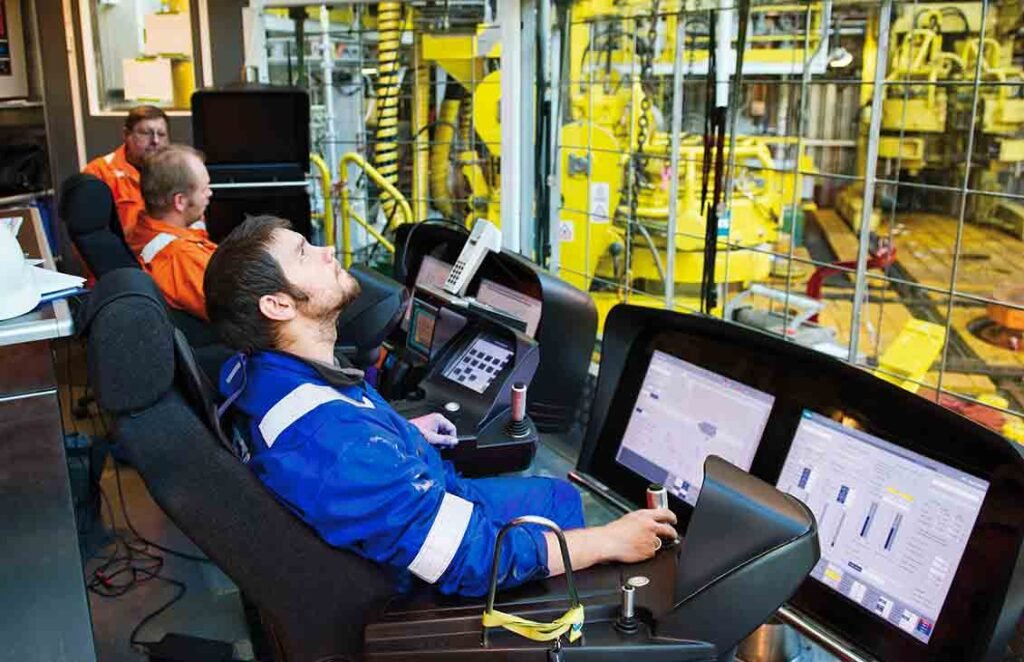
Drillers, roustabouts, and floorhands focus on operating and maintaining drilling equipment. They handle pipes, monitor drilling fluids, and ensure machinery works safely.
Production Crew
Operators monitor the flow of oil and gas, check valves, and make sure production systems are running efficiently.
Maintenance Crew
Electricians, welders, and mechanics perform essential repairs and upkeep of the platform’s equipment.
Support Staff
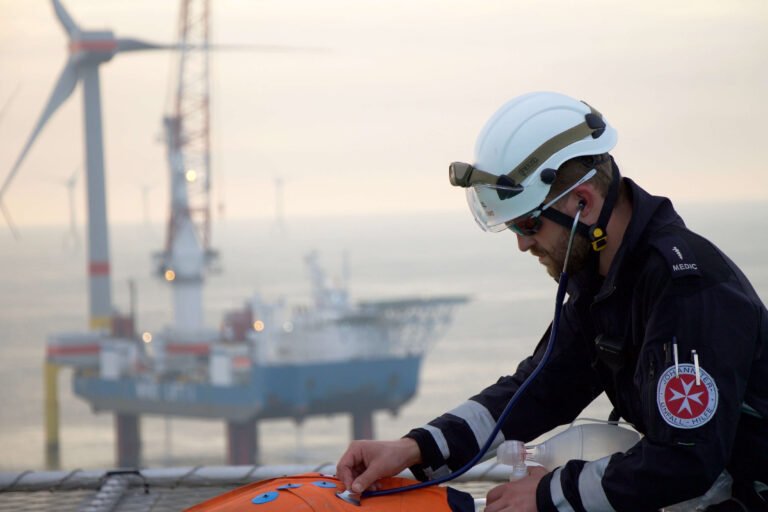
Chefs, cleaners, and medics keep the living quarters safe and functional. Every role is essential to the rig’s operation.
Safety First
Safety is the highest priority offshore. Workers undergo daily briefings and frequent drills. Common safety practices include:
-
Fire and evacuation drills
-
Helicopter landing safety procedures
-
Personal protective gear at all times
-
Strict rules around handling hazardous materials
Because offshore platforms are high-risk environments, the culture of safety is deeply ingrained in daily routines.
Morning Routine
A day offshore begins early. Shifts often run for 12 hours, either day or night.
-
Wake up call: Workers are woken up before sunrise for the day shift.
-
Safety checks: Every shift starts with a toolbox talk where supervisors outline safety requirements and daily objectives.
-
Breakfast: Meals are served in a central galley with choices similar to a cafeteria.
-
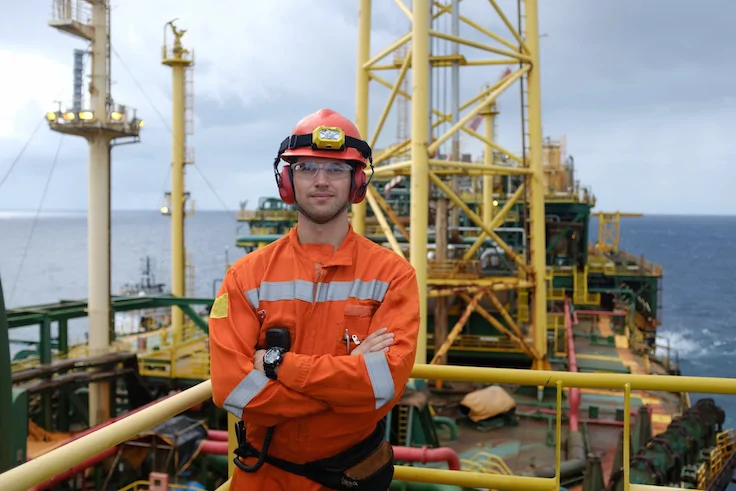
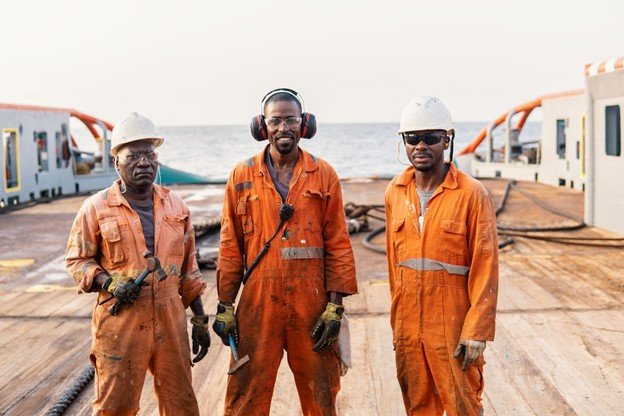
Preparation: Workers gear up with personal protective equipment including helmets, boots, and fire-resistant clothing.

Meals and Breaks
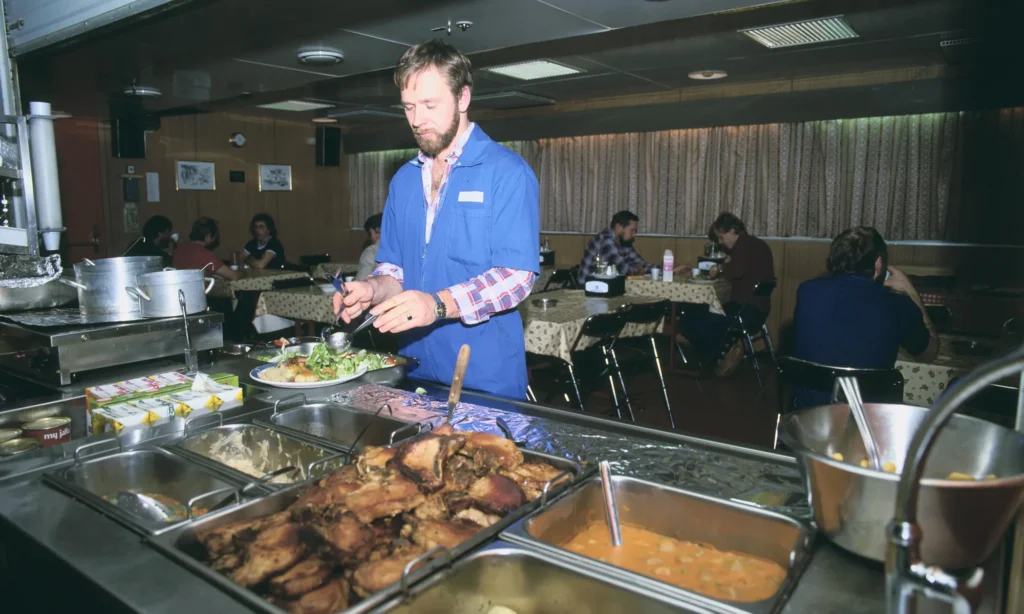
Food is an important part of life offshore. Meals are provided in a shared dining hall and usually feature hearty options to sustain long hours of physical work. Workers can expect three main meals per day along with snacks during breaks.
Break times also allow workers to relax, chat with colleagues, or connect with family online if internet is available.
Time Off Rotation
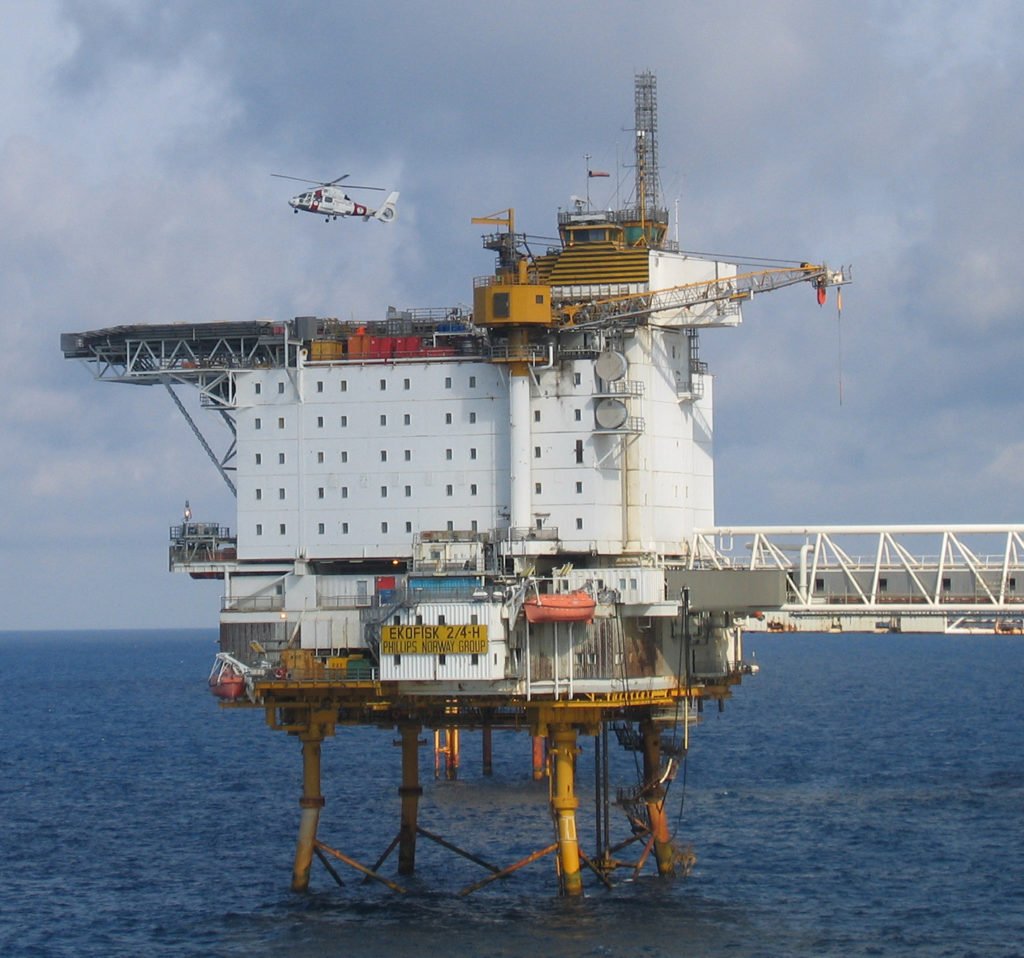
Once the rotation ends, workers are flown back onshore, usually by helicopter. The time off is one of the biggest perks of offshore life. A two-week break at home gives workers the chance to relax, spend time with family, or even travel.
This rotation system is one of the reasons why offshore jobs remain attractive despite the demanding conditions.
Challenges of Offshore Life
Working offshore is not for everyone. Challenges include:
-
Long periods away from home
-
Physically demanding labor
-
Strict routines and safety rules
-
Limited recreational options
-
Adapting to shift work and changing schedules
Despite these challenges, many offshore workers enjoy the lifestyle because of the pay, career growth, and camaraderie.
Rewards of Offshore Work
Offshore jobs provide:
-
High salaries compared to onshore roles
-
Strong career advancement opportunities
-
Exposure to cutting-edge oil and gas technology
-
International travel and diverse cultural experiences
-
Extended time off for personal life
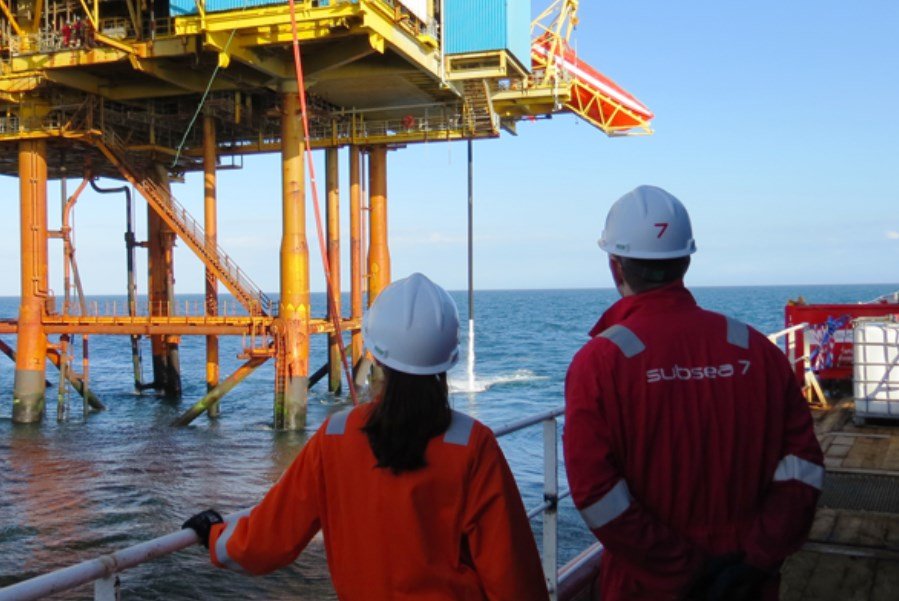
A day in the life of an offshore worker is demanding, structured, and safety focused. From early morning safety briefings to 12-hour shifts and evenings spent in close living quarters, the offshore lifestyle is both challenging and rewarding.
For those who are adaptable, hardworking, and safety conscious, offshore work can offer a unique career path filled with opportunity. The rotation system, high pay, and teamwork create a lifestyle that many find fulfilling despite the challenges.