




The global energy landscape is undergoing a dramatic shift. Governments, investors, and consumers are demanding cleaner, more sustainable energy solutions. For decades, oil companies have relied on fossil fuels as their core business model. But today, they face growing pressure to reduce carbon emissions and invest in renewable alternatives.
So how are oil companies adapting to these green energy demands while balancing profitability and sustainability? Let’s explore the strategies reshaping the sector.

Investing in Renewable Energy Projects
Many major oil companies are diversifying their portfolios by investing in renewable energy sources such as wind, solar, and biofuels.
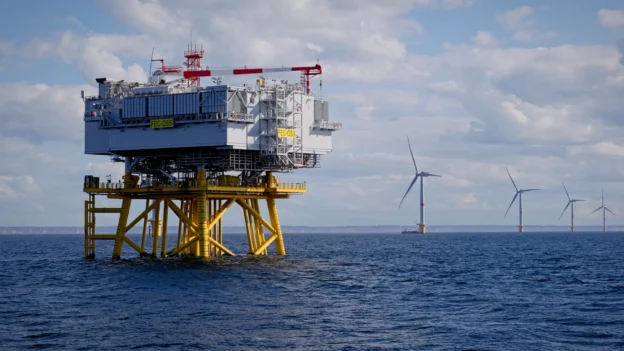
Offshore wind farms: Companies with offshore drilling expertise are now applying that knowledge to large-scale wind projects.
Solar energy plants: Partnerships in solar energy allow traditional oil giants to meet carbon-neutral commitments.
Biofuels and hydrogen: Emerging technologies are giving oil companies alternative revenue streams.
BP and Shell have invested heavily in wind and solar projects across Europe and North America.
Carbon Capture and Storage (CCS)
Carbon Capture and Storage (CCS) is one of the most widely adopted strategies. By capturing CO₂ emissions and storing them underground, oil companies can continue fossil fuel operations while meeting emission reduction targets.
CCS reduces industrial emissions.
Enhances oil recovery in depleted fields.
Supports companies’ sustainability reporting for investors.
Digital Transformation for Energy Efficiency
AI, automation, and data analytics are helping companies cut emissions and optimize efficiency.
| Digital Innovation | Impact on Green Transition |
|---|---|
| Predictive maintenance | Reduces equipment downtime and energy waste |
| Smart grids | Improves renewable integration |
| Digital twins | Simulate operations to reduce carbon footprint |
Workforce Reskilling for the Green Shift
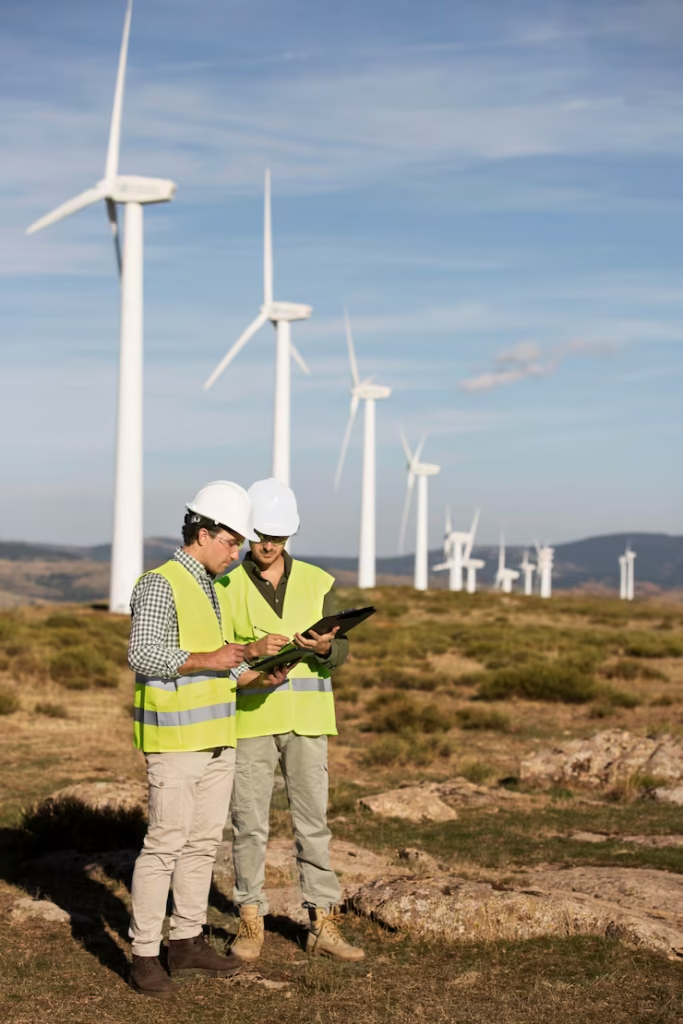
Transitioning to green energy requires new skills. Companies are investing in retraining oilfield workers for roles in renewables.
Oil engineers are shifting into wind turbine design.
Offshore rig crews are being retrained to manage wind farms.
Data scientists are being hired to optimize renewable systems.
For insights into industry shifts, platforms like Celavasans International Petroleum share resources on how global oil and gas companies are rethinking workforce and project strategies.
Meeting ESG (Environmental, Social, and Governance) Demands
Investors are prioritizing companies with strong ESG commitments. Oil companies that fail to adapt risk losing funding.
Transparent sustainability reporting builds investor trust.
Renewable investments attract new stakeholders.
ESG compliance is now linked directly to market reputation.
Long-Term Vision: Becoming “Energy Companies”
The biggest change is not technological, it’s strategic. Oil companies are no longer branding themselves solely as fossil fuel producers. Instead, they are transforming into integrated energy companies that deliver both traditional hydrocarbons and renewable solutions.
This shift allows them to remain competitive in a world moving toward net-zero emissions.
Partnerships and Joint Ventures
Oil companies are partnering with renewable energy firms, governments, and universities to accelerate the transition. These collaborations allow knowledge sharing and faster adoption of sustainable practices.
For example, TotalEnergies has partnered with clean energy firms to co-develop large solar and wind projects globally.
Oil companies are adapting to green energy demands by diversifying portfolios, investing in renewables, adopting digital tools, and reskilling their workforce. Platforms like Celavasans International Petroleum highlight just how global energy leaders are rethinking operations to meet sustainability goals while securing long-term profitability.
The energy transition is complex, but one thing is clear: the oil companies that embrace change today will lead the energy market of tomorrow.