




The energy industry is undergoing rapid transformation. From the growth of renewable energy to advances in digital oilfield technologies, professionals need continuous upskilling to remain competitive. Traditionally, training meant classroom sessions, travel, and significant costs. Today, online learning is reshaping how energy professionals gain knowledge, certifications, and career opportunities.
Increased Accessibility and Flexibility
Online learning allows energy professionals to study from anywhere in the world, whether offshore, in the field, or at corporate offices. This accessibility reduces barriers for those in remote locations or balancing demanding work schedules.
| Benefit | Example in Energy Careers |
|---|---|
| Study anytime, anywhere | Offshore workers completing safety modules during rotations |
| Lower costs | Online NEBOSH or OSHA safety training vs. in-person courses |
| Faster access to training | Immediate enrollment in digital platforms like Coursera or Udemy |
Explore energy courses on Coursera Energy Systems.

Specialized Training for Niche Roles
The energy industry includes specialized roles such as drilling engineers, renewable project managers, and HSE officers. Online platforms now offer targeted certifications that were once only available through industry-specific schools.
| Certification / Course | Focus Area | Platform |
|---|---|---|
| IWCF Well Control (e-learning modules) | Drilling operations | IWCF |
| Renewable Energy Management | Wind, solar, and grid integration | edX |
| Oil & Gas Safety (OSHA Standards) | Workplace safety | OSHA Training |
| Data Analytics for Energy | Digital oilfield and smart grids | Udemy |
Faster Career Transitions
Online learning supports career changers entering the energy sector, especially from adjacent fields like IT, finance, or construction. Professionals can complete certifications without leaving their current jobs.
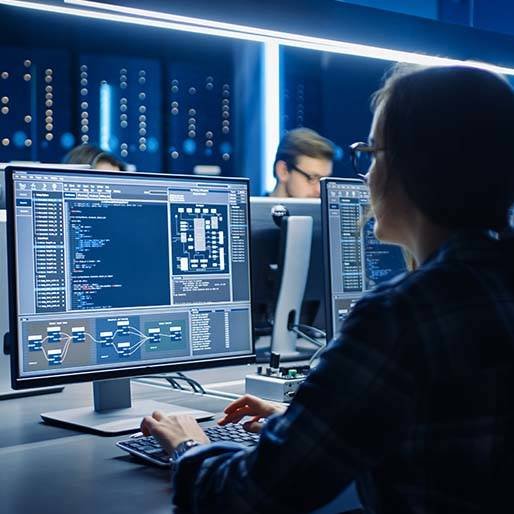
IT specialists can transition into energy data analyst roles by completing short online analytics programs.
Mechanical engineers can shift into renewable energy design with solar and wind certifications.
Business graduates can explore energy trading and finance through online MBA electives.
See career-focused energy programs at Energy Jobline Training.

Integration of Emerging Technologies
Digital platforms are also bringing new tools into learning experiences:
| Technology | Impact on Energy Training | Example |
|---|---|---|
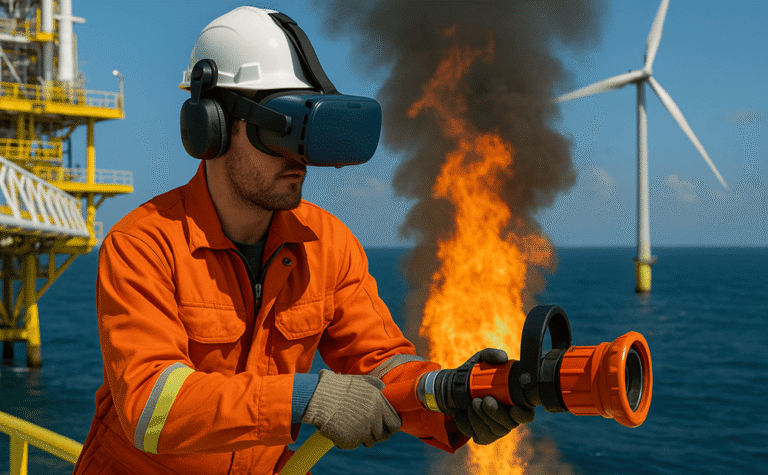
| Virtual Reality (VR) | Simulates offshore safety drills | VR-based BOSIET training |
| Artificial Intelligence (AI) | Personalized course recommendations | Adaptive learning platforms |
| Simulation Software | Replicates drilling operations | Petroleum engineering training labs |
These innovations help professionals practice real-world scenarios without costly or risky field training.
Global Networking and Collaboration
Online learning platforms often include forums, group projects, and live sessions where learners connect globally. This networking builds valuable industry relationships.
Professionals from the USA can collaborate with peers in Europe or the Middle East on renewable energy projects.
Alumni groups from platforms like edX Energy Programs provide career support.
Virtual conferences and webinars expand access to global experts.

Recognition and Employer Adoption
Employers in oil, gas, and renewables are increasingly recognizing online certifications as valid credentials. Many companies encourage workers to pursue micro-credentials or specialized courses as part of professional development.
| Recognized Online Credentials | Industry Acceptance |
|---|---|
| NEBOSH IGC (online exam option) | Accepted globally for HSE roles |
| PMP Project Management (online prep) | Valued for project leadership |
| Renewable Energy MicroMasters (edX) | Recognized by European and US employers |

Online learning is transforming energy careers by making education more flexible, affordable, and globally connected. From offshore safety certifications to renewable energy management courses, professionals now have more opportunities than ever to grow without stepping away from their jobs.
The energy industry is competitive, and those who embrace continuous online learning will be better prepared to thrive in this new era.