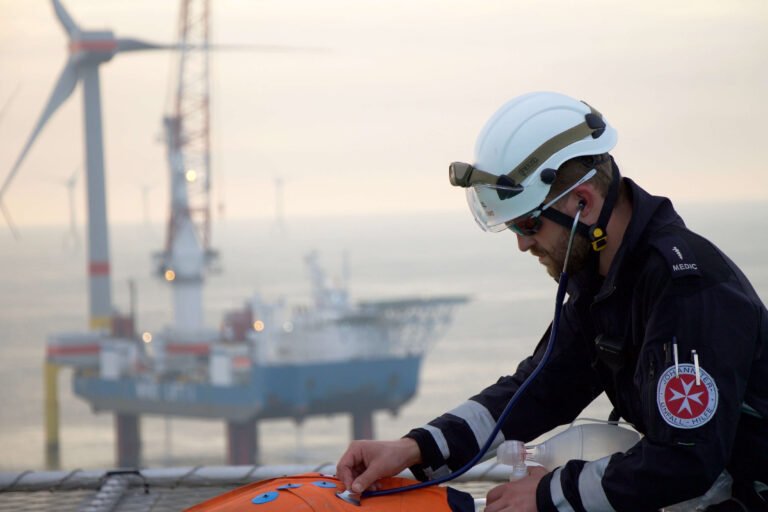




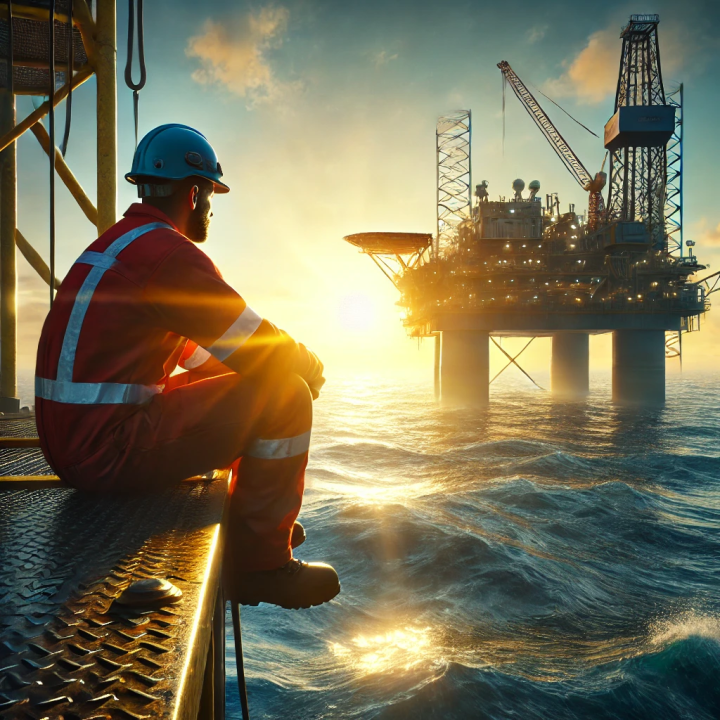
The energy industry is known for its demanding schedules, high-pressure environments, and remote working conditions. From offshore oil rigs to renewable energy sites, employees often work long hours away from their families, in physically and mentally challenging roles. While safety and technical training have always been priorities, mental health and wellness are now becoming equally important in creating a sustainable workforce.
Why Mental Health Matters in Energy Careers
Mental health affects every aspect of job performance, from concentration and safety to teamwork and decision-making. In high-risk environments like oil rigs, refineries, and wind farms, a lapse in focus can have serious consequences.
Safety Risks: Stress and fatigue increase the likelihood of accidents.
Retention Issues: Burnout leads to high turnover in critical roles.
Productivity Loss: Poor mental health reduces efficiency and motivation.
According to the World Health Organization, depression and anxiety cost the global economy $1 trillion per year in lost productivity.
Common Mental Health Challenges in the Energy Industry
a) Long Shifts and Rotations
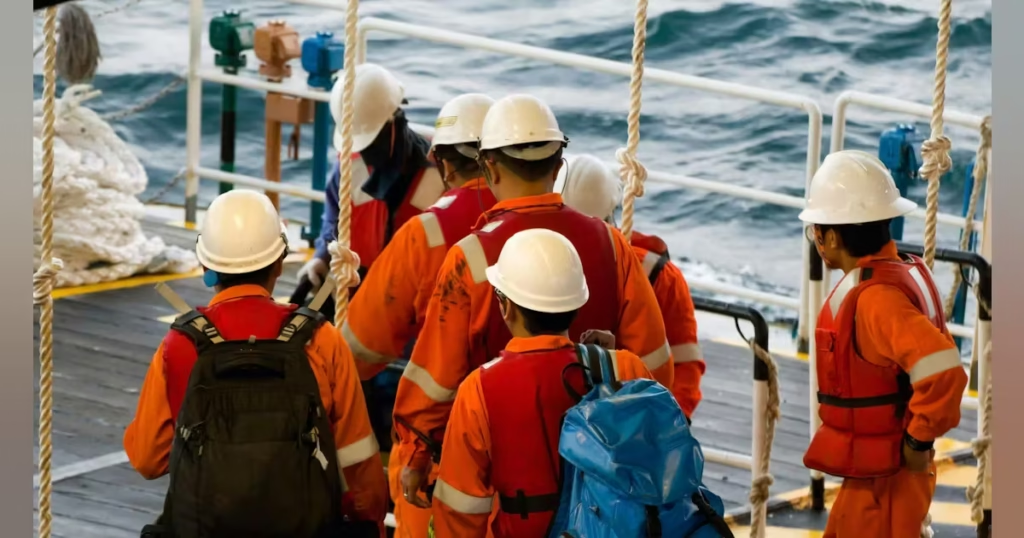
Workers in oil and gas often spend weeks offshore, separated from family and friends. This isolation contributes to loneliness and stress.
b) Job Uncertainty
The energy market is cyclical, with oil price fluctuations and renewables reshaping demand. Uncertainty about job security can create chronic stress.
c) Harsh Working Environments
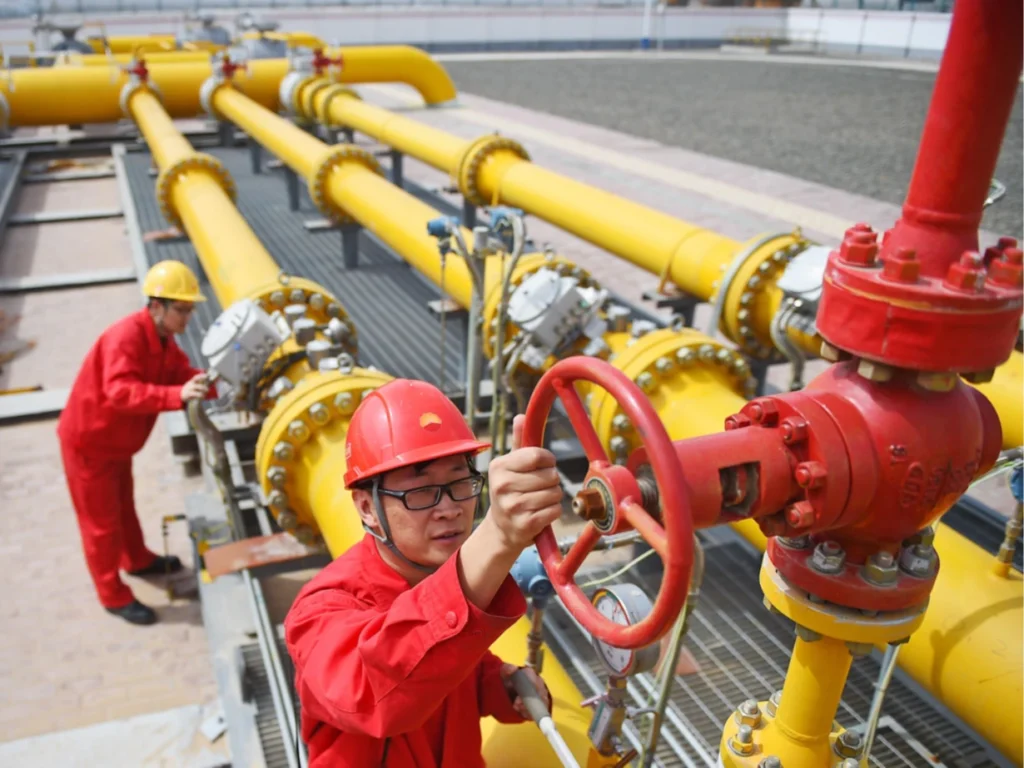
Extreme weather, remote locations, and hazardous conditions add to physical and mental strain.
d) Stigma Around Mental Health
Many workers avoid discussing stress, anxiety, or depression due to fear of judgment or career impact.
The Role of Employers in Supporting Wellness
Energy companies are increasingly recognizing the need for mental health programs. Leading organizations implement:
| Wellness Initiative | Benefit to Workers | Example in Energy Sector |
|---|---|---|
| Employee Assistance Programs (EAPs) | Access to counseling and resources | Confidential hotlines for offshore staff |
| Mental Health First Aid Training | Peer support during crises | Onsite supervisors trained to recognize warning signs |
| Flexible Rotations & Scheduling | Reduces burnout and fatigue | Shorter offshore rotations for drilling crews |
| Wellness Workshops | Stress management and resilience training | Mindfulness and sleep hygiene programs |
See more about workplace wellness at American Psychological Association – Workplace Well-Being.
Building Personal Resilience Offshore and Onsite
Workers can take steps to manage their own well-being even in challenging environments:
Routine Exercise: Short daily workouts improve mood and energy.
Balanced Nutrition: Healthy meals stabilize energy levels and reduce fatigue.
Mindfulness Practices: Breathing exercises or meditation during downtime help reduce stress.
Stay Connected: Regular calls with loved ones combat loneliness.
Seek Support: Talking to a supervisor, counselor, or peer can make a significant difference.
Technology’s Role in Mental Health Support
Digital tools are transforming mental health access in the energy sector:
| Tool | How It Helps | Example |
|---|---|---|
| Mental health apps | Daily mood tracking, meditation guides | Headspace |
| Virtual counseling | Access to therapists from remote locations | Telehealth services for offshore workers |
| Wearable tech | Tracks stress levels, sleep, and activity | Smartwatches used by field teams |
Technology ensures that even in isolated job sites, workers can receive timely support.
The Link Between Safety and Wellness
In energy operations, safety culture is critical. Companies that emphasize wellness as part of safety training see better results.
Well-rested workers are less prone to accidents.
Mentally healthy teams communicate better under pressure.
Integrated safety + wellness programs create stronger organizational resilience.
Looking Ahead: A Healthier Energy Workforce
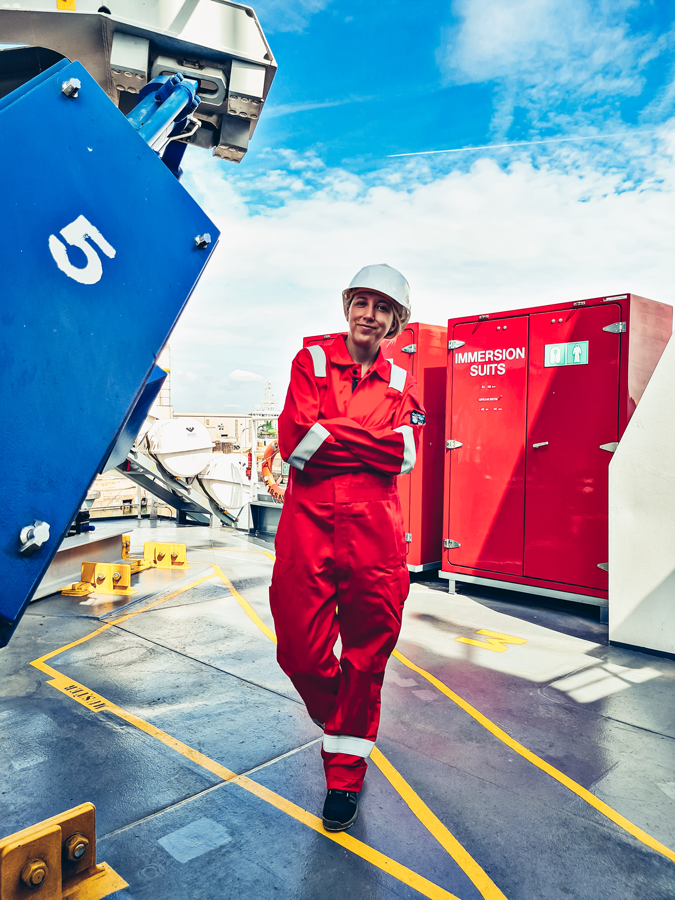
As the industry evolves, prioritizing mental health is not optional it’s essential. Companies that invest in wellness programs build loyal, engaged, and safer workforces. Meanwhile, individuals who adopt healthy routines and seek support can thrive despite demanding conditions.
The future of the energy sector depends not only on technical innovation but also on the mental resilience of its people.
The energy industry is entering a new era where mental health and wellness are as important as safety and technical expertise. By combining employer initiatives, personal resilience strategies, and digital tools, workers can achieve better well-being while companies build stronger, safer teams.
Investing in mental health is not just good ethics, it’s good business.