



Why Mental Health Matters More Than Ever in Energy
The energy industry, whether oil & gas, offshore drilling, power generation, or fast-growing renewable sectors is built on complex operations, high-stakes decisions, and demanding environments. From remote offshore rotations to 24/7 plant operations and the pressures of transitioning toward low-carbon energy, professionals across the sector face unique mental health challenges.
According to the International Association of Oil & Gas Producers (IOGP), safety performance has steadily improved over the last decade, yet psychological well-being still remains a relatively under-addressed risk factor across operational teams, support staff, and leadership roles.
The modern energy workforce is increasingly aware that mental health is as critical as physical safety. Companies embracing this mindset are seeing benefits: lower incident rates, stronger workforce retention, better decision-making, and improved morale even in high-pressure environments.
This article explores the realities of mental health in the energy industry, the root causes behind workplace stress, and evidence-based strategies companies and workers can use to build healthier, more resilient futures.

The Mental Health Landscape in the Energy Sector
A High-Stress Industry by Design
Energy work particularly oil & gas and offshore roles has always demanded intense concentration, long hours, and operational precision. Unlike many industries, mistakes can lead to catastrophic consequences.
Key stress amplifiers include:
High-risk environments
Long rotations away from family
Physically demanding tasks
High responsibility and regulatory pressure
Exposure to extreme climates
Boom-and-bust economic cycles
For example, offshore workers typically spend 14 to 28 days on rotation, working 12-hour shifts and living in confined quarters with the same group of people. Studies cited by the UK Health and Safety Executive (HSE) show that such environments can significantly increase sleep disruptions, anxiety, and stress.²
The Hidden Impacts of Operations on Mental Health
While physical safety incidents are decreasing, psychological risks are rising due to:
1. Chronic Fatigue
Shift work, night operations, and demanding schedules reduce sleep quality and impair cognitive function.
2. Isolation and Loneliness
Remote onshore sites and offshore rigs separate workers from family, support systems, and home life.
3. Uncertainty and Industry Volatility
Market fluctuations, geopolitical pressures, and layoffs create long-term emotional stress.
4. Pressure to Perform
High-consequence environments mean mistakes carry real-world safety, financial, and environmental consequences.
5. Cultural Barriers
Historically, energy workers especially offshore crews have operated in “tough it out” cultures that discourage seeking help.
Why Energy Jobs Are Especially Vulnerable
Offshore and Remote Work: The Perfect Storm
Offshore workers face the most extreme psychological pressures. Research published by the International Maritime Health Journal shows that offshore teams have higher rates of:
Anxiety
Depression
Sleep disturbances
Substance misuse
Stress-related physical symptoms (headaches, hypertension)
Conditions such as lack of privacy, isolation, confinement, and constant proximity to colleagues create a unique mental health profile unlike typical onshore jobs.
Renewables: A Growing Workforce Facing New Pressures
While renewables seem “cleaner,” the stressors are similar:
Remote wind farms
Extended travel
High-risk climbing work (wind technicians)
Fast-paced project timelines
Skills shortages causing overtime
As the industry pushes toward accelerated decarbonization, the pressure to deliver adds additional mental strain.
Managers & Engineers Are Not Immune
Decision-makers face their own stressors:
Oversight of safety-critical operations
Regulatory pressure
Budget constraints
Responsibility for large teams
Performance KPIs
Long working hours
Multinational travel requirements
Even desk-based roles experience mental fatigue from high workloads, constant real-time communication, and operational oversight.
The Link Between Mental Health and Safety
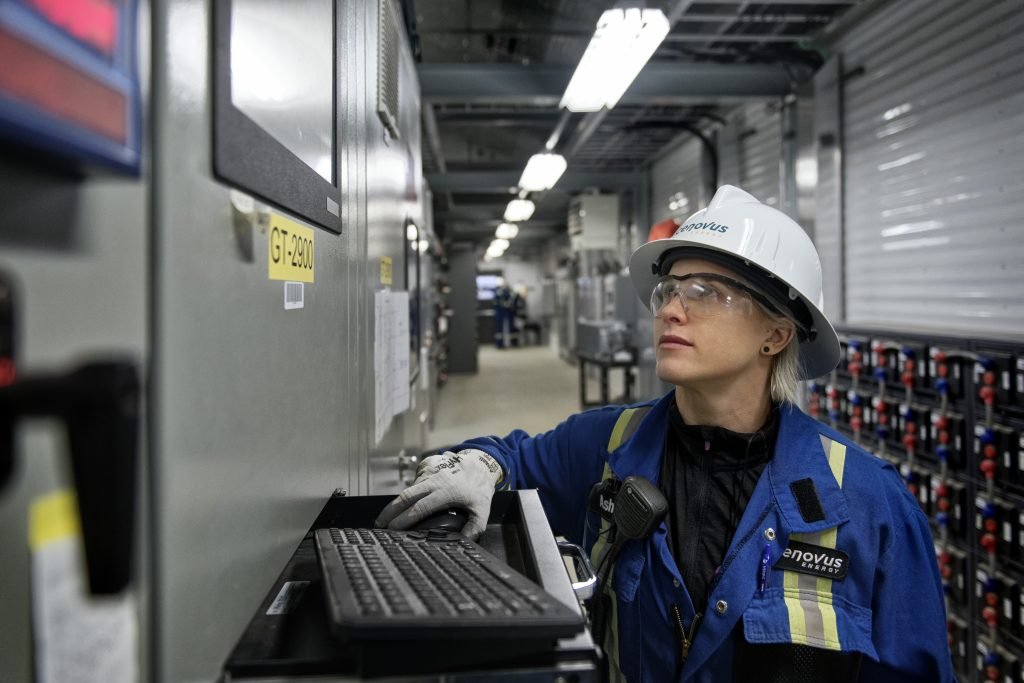
HSE and IOGP warn that mental health issues especially fatigue can compromise:
Judgment
Situational awareness
Communication
Hazard recognition
Reaction time
In environments where a single mistake can lead to major incidents, mental health becomes a core component of process safety.
A stressed, fatigued, or burned-out worker may:
Miss safety procedures
Overlook equipment issues
Forget lockout/tagout steps
Make rushed decisions
Fail to communicate anomalies
This is why many operators are beginning to integrate psychological safety alongside physical safety programs.
Common Mental Health Conditions in the Energy Workforce
1. Burnout
A major issue driven by long hours and intense performance pressure.
Symptoms include:
Exhaustion
Reduced concentration
Increased irritability
Emotional detachment
2. Anxiety Disorders
Commonly triggered by:
Job insecurity
High-consequence environment stress
Remote work isolation
Overload
3. Depression
Often linked to long periods away from family or chronic fatigue.
4. Substance Misuse
A risk for workers facing isolation, high stress, or stressful transitions.
5. PTSD
In rare cases, linked to exposure to severe incidents or accidents.
What the Data Shows: Mental Health Statistics in Energy
While mental health reporting in energy is still catching up, several studies provide insight:
| Study / Report | Key Finding |
|---|---|
| IOGP Health Committee Report³ | Mental health issues account for 20%+ of non-occupational medical removals offshore. |
| University of Aberdeen Offshore Worker Study | 44% of offshore workers showed signs of anxiety. |
| HSE Fatigue & Shift Work Analysis | Irregular shifts significantly increase mental strain and error rates. |
| IEA Workforce Outlook | Workers entering the energy transition face high skill pressure and uncertainty. |
The conclusion is clear: mental health is a real safety, retention, and productivity concern.
Changing Culture: The Rise of Mental Health Awareness in Energy
From “Tough Culture” to “Talk Culture”
Energy companies are beginning to dismantle the traditional “man-up” mindset. Initiatives include:
Mental health first-aider programs
Confidential helplines
Wellness campaigns on rigs
Peer-support systems
Psychological safety leadership training
Toolbox talks that include emotional well-being
Fatigue management protocols
Organizations such as NEBOSH and OPITO have integrated mental wellness concepts into modern HSE programs.⁴ ⁵
Leadership’s Role in Breaking Stigma
Leadership directly influences whether workers feel safe speaking up.
Effective leaders:
Normalize mental health discussions
Encourage self-reporting
Avoid punitive responses
Set reasonable workloads
Watch for fatigue signs
Provide clear operational communication
Psychological safety is now considered one of the strongest predictors of team performance particularly in safety-critical environments.
Strategies for Workers: How to Maintain Mental Wellness
1. Build a Healthy Sleep Routine
Especially for shift workers and offshore crews.
Tips include:
Use black-out masks and earplugs
Maintain consistent pre-sleep habits
Avoid caffeine late in the day
Use relaxation apps or breathing techniques
2. Keep Social Connections Alive
Isolation is minimized when workers maintain contact through:
Scheduled video calls
Shared chat groups
Pre-rotation family routines
3. Physical Activity
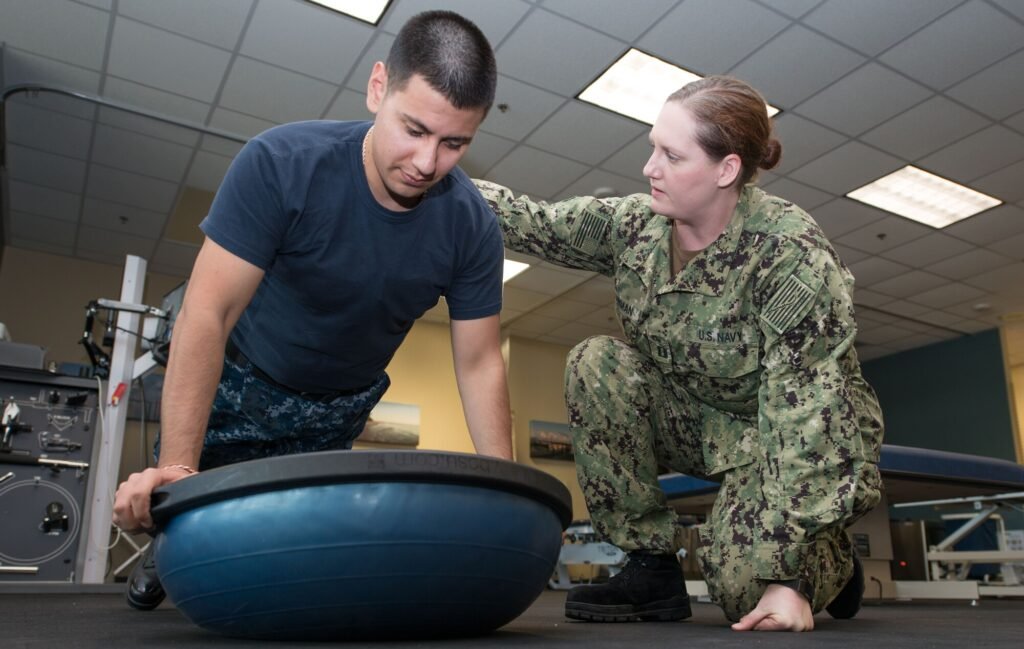
Exercise reduces anxiety, improves sleep, and stabilizes mood.
4. Set Boundaries
Especially for supervisors or engineers.
Limit non-critical emails after hours
Take scheduled breaks
Manage task overload
5. Recognize Early Warning Signs
Such as:
Irritability
Low energy
Difficulty concentrating
Loss of interest
Sleep disruptions
6. Use Company Resources
Confidential helplines and mental health officers are there for a reason.
Strategies for Employers: Building a Mentally Healthy Energy Workforce
1. Implement Fatigue Management Programs
Aligned with global guidance such as HSE’s fatigue framework.²
2. Improve Rotation and Work-Life Balance
Examples:
2/2 rotations instead of 3/3
More flexible leave policies
Accommodations for family events
3. Strengthen Onsite Resources
Fitness rooms
Quiet rooms
Counseling access
Better Wi-Fi offshore
Social activities
4. Train Mental Health First Aiders
A growing global standard in energy sectors.
5. Improve Living Conditions
Better sleeping quarters, healthier food, and recreational spaces.
6. Monitor High-Risk Groups
Such as:
New hires
Workers after long layoffs
Recently promoted supervisors
Those returning after incidents
7. Lead With Empathy
Empathetic leadership improves morale, reduces conflict, and builds team trust.
The Future of Mental Health in the Energy Industry
AI and Technology Are Transforming Wellness Monitoring
New tools include:
Wearable fatigue sensors
Predictive workload analytics
Real-time stress tracking
AI-driven shift scheduling
Mental health chatbots for remote workers
These tools allow operators to take preventive action before stress becomes burnout.
Younger Workers Expect Better Mental Health Support
Millennials and Gen Z prioritize:
Work-life balance
Meaningful work
Mental health resources
Supportive culture
Companies that adapt will win the war for talent.
Regulations and Standards Are Catching Up
Expect more structured mental health requirements in:
HSE frameworks
Offshore safety case regulations
Operator guidelines
Training certifications
A Healthier Workforce Builds a Safer Industry
Mental health is no longer a soft topic—it is a core operational, safety, and performance issue in the global energy sector. Whether it’s offshore drilling crews facing long rotations, wind technicians navigating remote sites, or engineers managing high-pressure projects, workers deserve support systems that acknowledge the real psychological demands of the job.
Creating a mentally healthy energy workforce requires:
Strong leadership
Open communication
Evidence-based programs
Worker empowerment
A shift from stigma to support
As the energy world becomes more complex—transitioning to renewables, digitizing operations, and facing global uncertainty—supporting mental wellness is not only ethical but essential for resilience, safety, and long-term stability.