
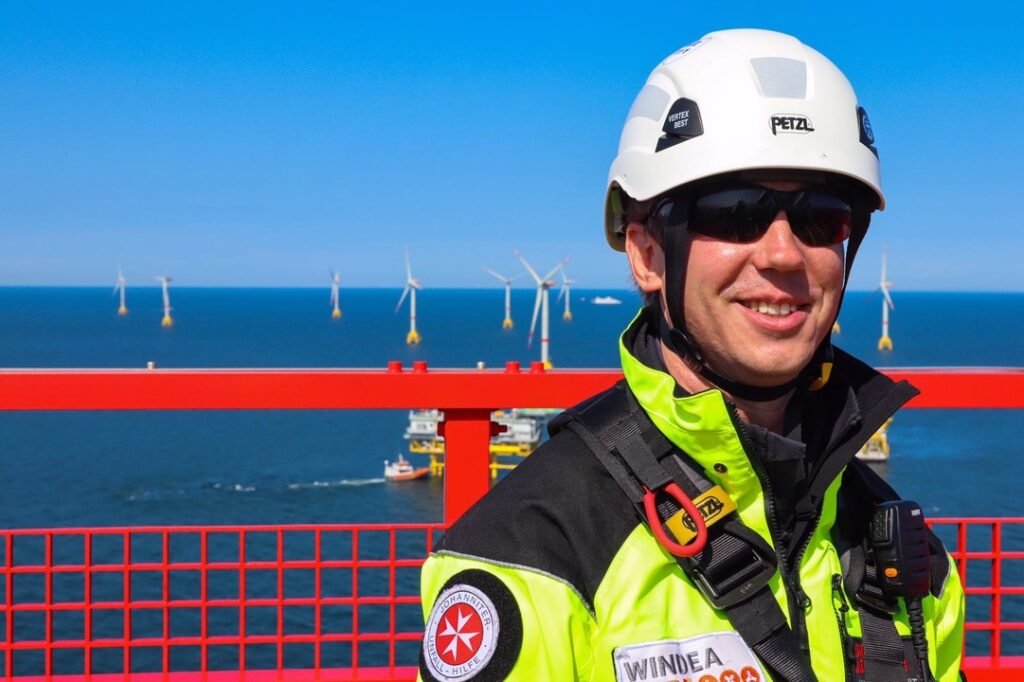
Behind every drilling rig, production platform, or offshore installation, there’s a team of professionals ensuring health, safety, and well-being. Offshore medics and support staff are essential to keeping crews healthy, safe, and focused in one of the most demanding work environments on Earth.
What is an Offshore Medic?
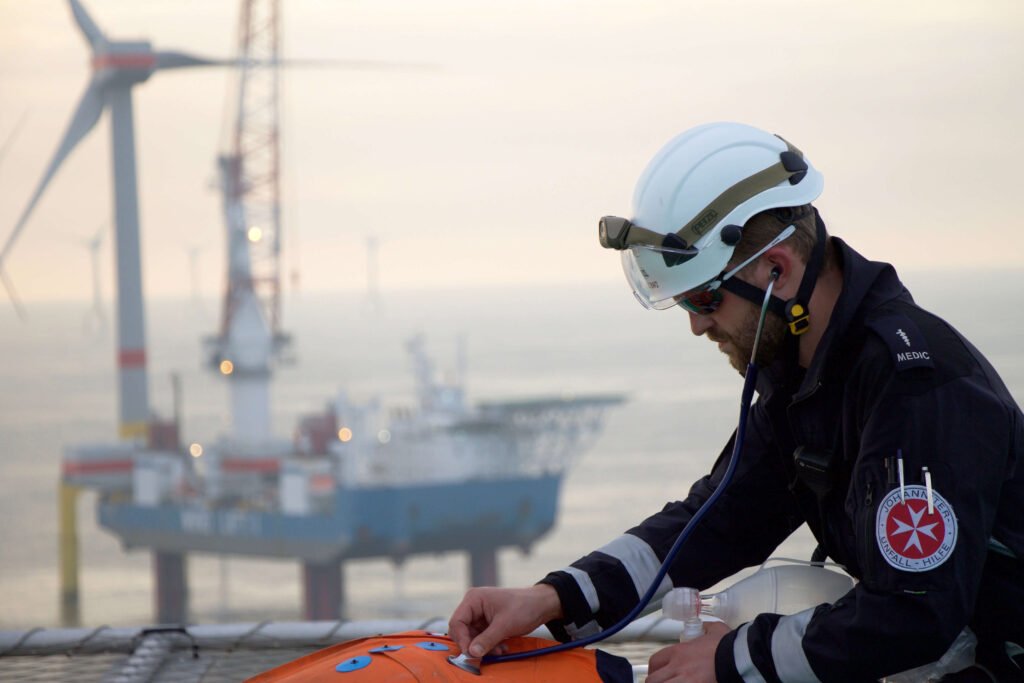
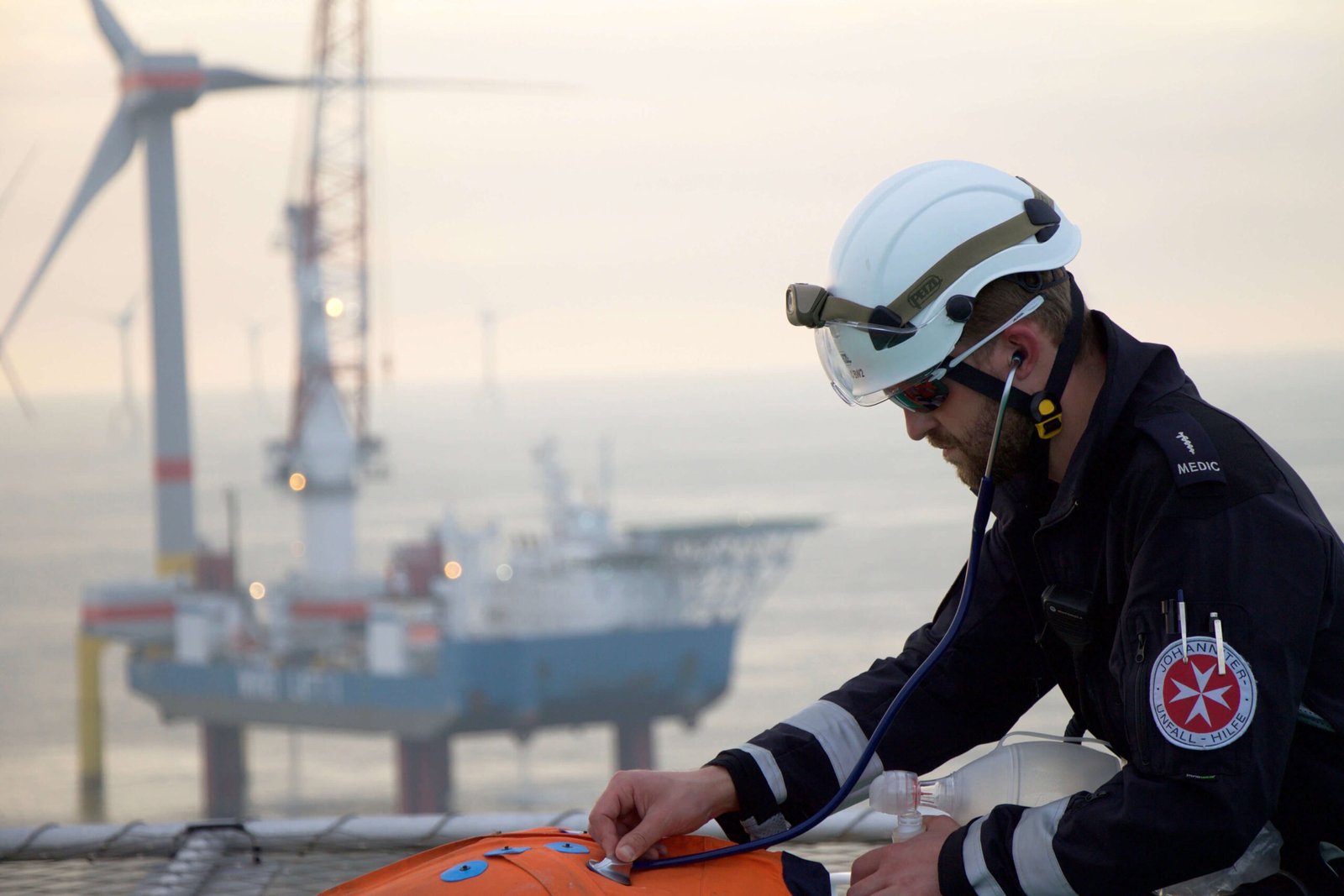
An Offshore Medic is the first responder and healthcare
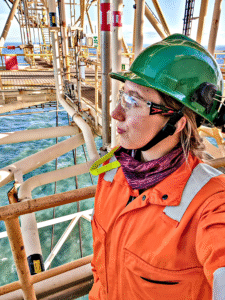
provider on oil rigs and platforms. Their responsibilities include:
Conducting health assessments and medical checkups
Responding to injuries and emergencies
Managing medicine and medical equipment
Coordinating medical evacuations if necessary
Who Are Offshore Support Staff?
Support staff ensure the smooth daily operations of offshore life. These roles include:
Catering & Housekeeping: Chefs, cooks, and stewards keep the crew nourished and living spaces clean.
Logistics & Materials: Supply coordinators and clerks manage equipment, food, and spare parts.
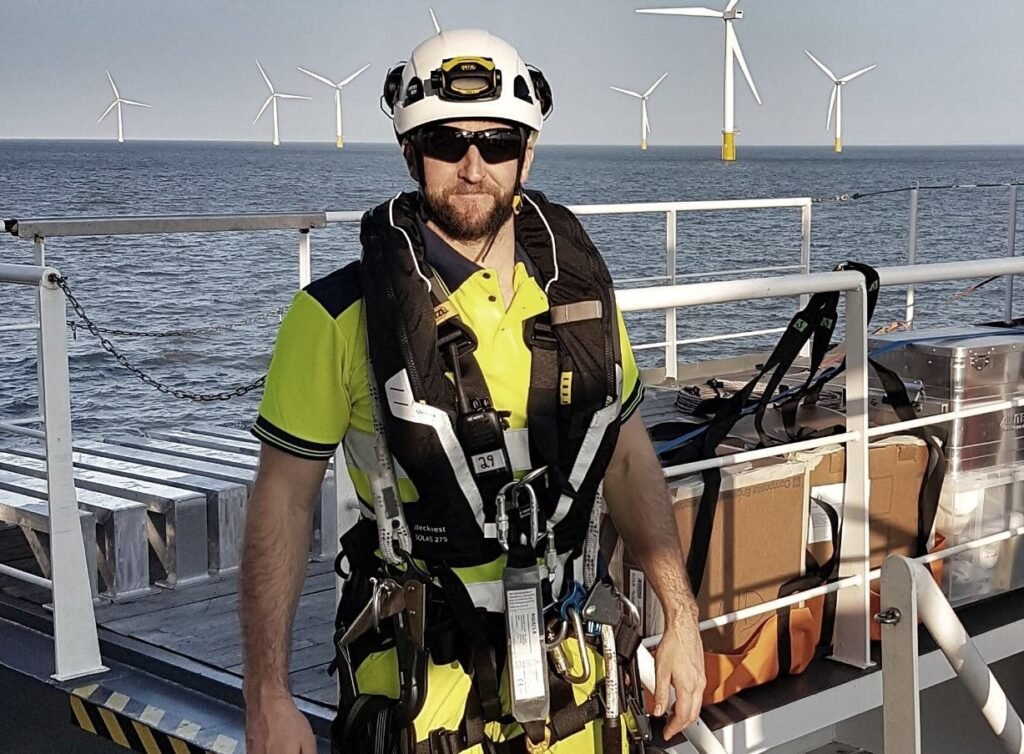
Safety & Training Officers: Ensure compliance with offshore safety regulations.
HR & Administration: Handle scheduling, crew changes, and record-keeping.
Why Medics & Support Staff Are Essential
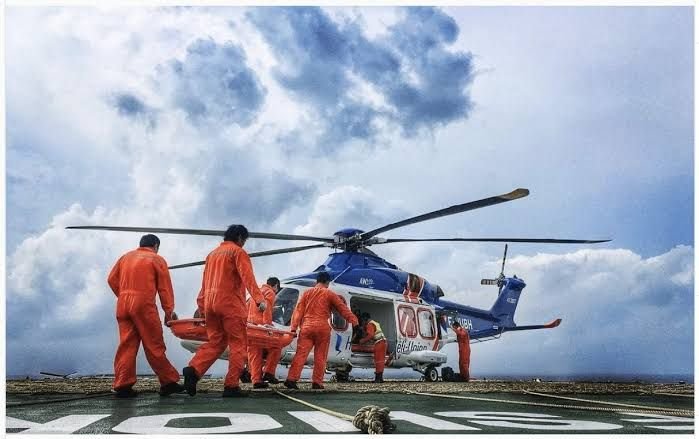
Oil rigs operate far from land, often days away from the nearest hospital. Offshore medics and support teams provide:
Immediate medical care in emergencies
Logistical support to keep rigs running efficiently
Improved crew morale through food, comfort, and safety
Without them, offshore operations would be unsafe and unsustainable.
Daily Life Offshore
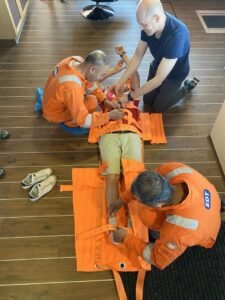
Offshore Medics
Run daily clinics for minor illnesses and injuries.
Train crew members in first aid.
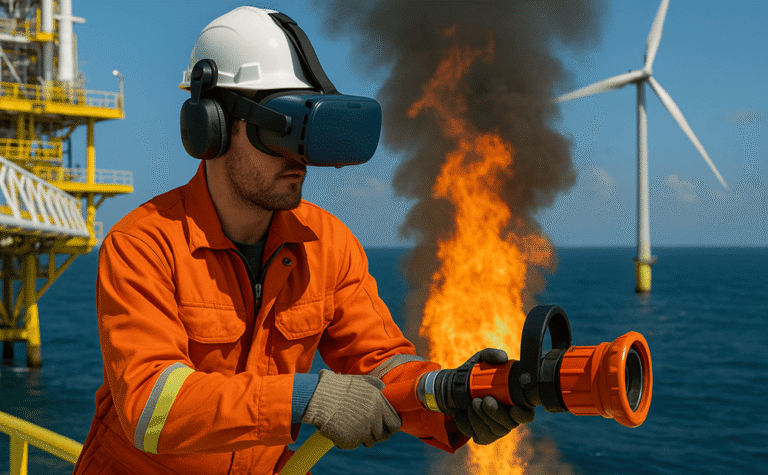
Conduct health & safety drills.
Support Staff
Chefs prepare up to 3–4 meals a day for 50–200 workers.
Logistics staff track deliveries, manage storage, and schedule flights.
Stewards maintain hygiene and housekeeping.
Skills & Education
Offshore Medics
Registered Nurse, Paramedic, or Physician Assistant qualification.
Offshore certifications like BOSIET & Offshore Medic Training (OMT).
Strong trauma & emergency response training.
Support Staff
Catering staff need culinary or hospitality training.
Logistics professionals benefit from supply chain certifications.
Safety officers often require NEBOSH or IOSH certifications.
Key Certifications
BOSIET (Basic Offshore Safety Induction & Emergency Training)
STCW Medical Training for medics
NEBOSH/IOSH for safety officers
Food Hygiene & Catering Certifications for chefs and stewards
Offshore Medics & Support Staff Salaries
Offshore Medics
Entry Level: $70,000 – $90,000/year
Experienced: $100,000 – $130,000/year
Offshore Support Staff
Catering & Housekeeping: $40,000 – $70,000/year
Logistics & Admin: $60,000 – $90,000/year
Safety Officers: $80,000 – $110,000/year
Career Path
Step 1: Training & Certification
Medics start as nurses, paramedics, or EMTs. Support staff often begin in hospitality or logistics.
Step 2: Offshore Entry Roles
Apply for offshore medic or catering/logistics positions after BOSIET training.
Step 3: Specialization & Growth
Advance into senior medic roles, safety officers, or offshore operations managers.
Step 4: Leadership
Progress to Offshore Medic Supervisor, Catering Manager, or HSE Manager.
Lifestyle Offshore
Life as a medic or support staff comes with unique challenges and rewards:
Benefits:
Competitive salaries
Rotational schedules (e.g., 2 weeks on/2 weeks off)
Free travel, meals, and accommodation
Challenges:
Long periods away from family
High-pressure environments
Remote medical decision-making
Future of Offshore Medics & Support Staff
As the energy sector transitions into offshore wind, carbon capture, and new green technologies, healthcare and support services remain critical. Demand will increase for:
Multiskilled medics with remote diagnostic training
Logistics specialists supporting renewables
Catering and welfare staff to boost crew morale
Offshore medics and support staff may not operate the drilling equipment, but without them, offshore rigs couldn’t function safely or efficiently. These careers provide adventure, stability, and purpose for those who want to combine their skills in healthcare, hospitality, or logistics with life at sea.