



The offshore energy sector from deepwater oil rigs to massive wind farms operates in some of the most challenging environments on Earth. High pressures, heavy machinery, unpredictable weather, and isolation make safety the cornerstone of every operation.
Yet despite cutting-edge technology and automation, the human factor remains the most critical determinant of safety and success offshore. Behind every system, sensor, and safety procedure are people leaders and crews whose decisions shape the outcome of every mission.
The Evolution of Offshore Safety Culture
A few decades ago, offshore safety was viewed as a compliance task, a checklist item before operations began. That mindset has changed dramatically.
Modern offshore safety is not just about preventing accidents; it’s about creating a culture of awareness, accountability, and continuous improvement.
Key milestones in this evolution include:
The Piper Alpha disaster (1988): Led to sweeping changes in offshore safety regulation.
Deepwater Horizon explosion (2010): Reinforced the importance of leadership accountability and communication.
Renewable energy expansion: Brought new risks but also new safety frameworks and collaboration models.
These incidents and developments shaped a powerful realization: technology can reduce risk, but leadership and human behavior eliminate it.
What Is Safety Leadership?
Safety leadership goes beyond enforcing rules. It’s about inspiring trust, communication, and shared responsibility across every level of an organization.
A safety leader:
Sets clear expectations for safety performance.
Leads by example, following protocols meticulously.
Creates an environment where workers feel empowered to speak up.
Recognizes and rewards safe behavior.
Uses mistakes as learning opportunities, not punishments.
According to the International Association of Oil & Gas Producers (IOGP), companies with strong safety leadership demonstrate up to 40% lower incident rates than those that focus purely on compliance.
The Human Factor: Beyond Compliance
Human error accounts for the majority of offshore incidents, but leadership determines how these errors are managed and prevented.
Examples of key human factors include:
Fatigue and stress management during long shifts.
Situational awareness in dynamic offshore conditions.
Communication across multilingual, multicultural teams.
Decision-making under pressure.
Strong safety leadership acknowledges these human variables and builds systems around them not against them.
The difference between an accident and a near-miss often comes down to the alertness and decision-making of a well-led crew.
Leadership Starts at the Top
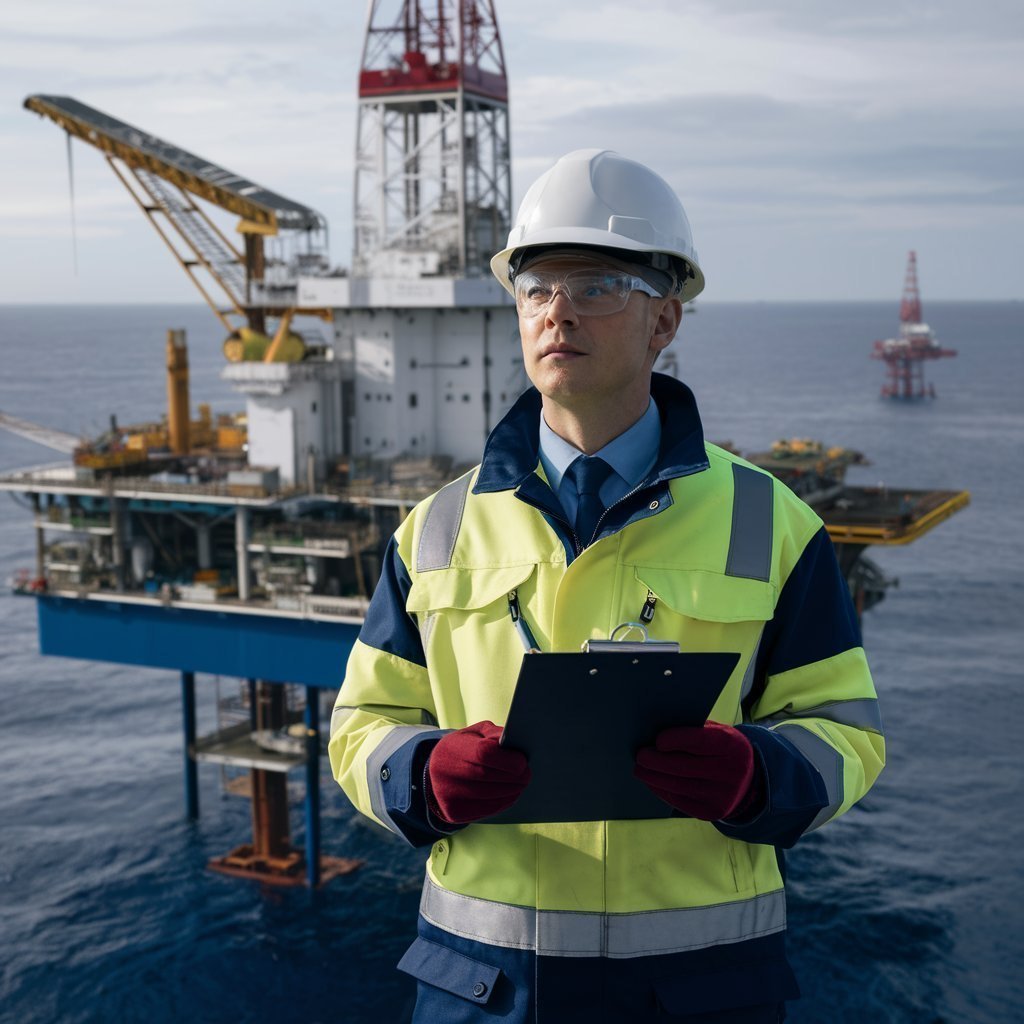
Safety culture is built from the top down. Senior executives and managers play a decisive role in shaping attitudes toward risk and responsibility.
Key Elements of Executive Safety Leadership
Visible Commitment: Regular site visits, direct engagement with crew.
Transparency: Reporting incidents and near-misses without cover-ups.
Investment: Allocating budgets to training, PPE, and new safety tech.
Empowerment: Encouraging employees to halt unsafe operations.
Companies like Shell, Equinor, and BP have built global reputations around visible leadership ensuring every offshore operation, from drilling to decommissioning, operates with safety as a business priority, not a bureaucratic one.
Empowering Offshore Workers
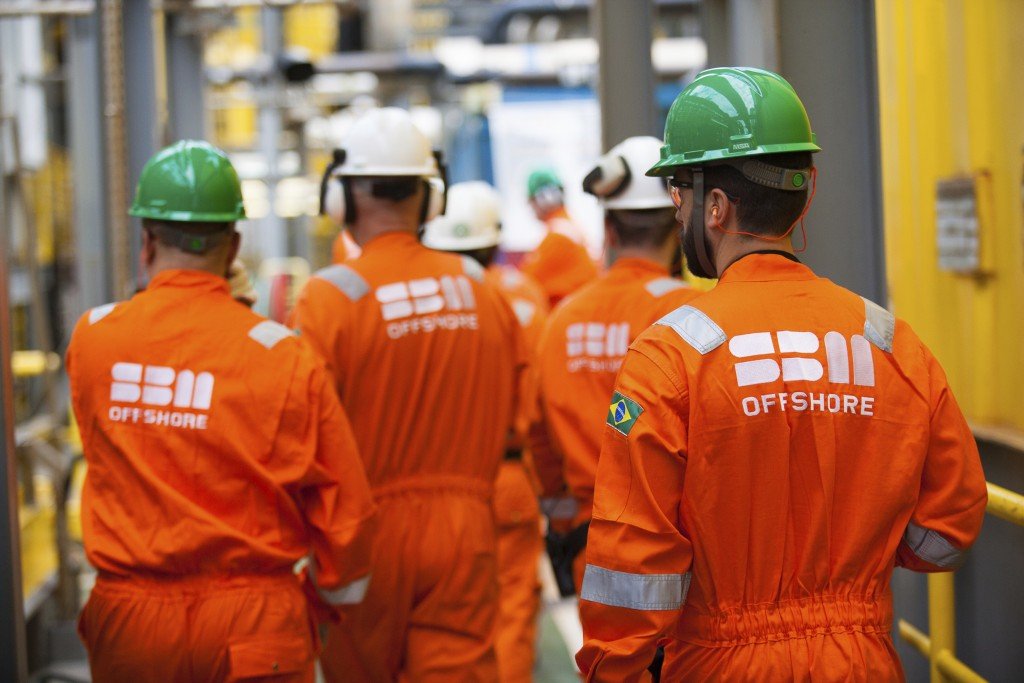
True safety leadership empowers the workforce. Offshore crews are encouraged to take ownership of safety at every level.
Practices That Empower Teams
“Stop Work” Authority: Every worker, regardless of rank, can stop operations if they perceive danger.
Open Communication Channels: Anonymous reporting tools reduce fear of retaliation.
Peer Safety Networks: Workers monitor and support each other in daily operations.
Empowerment turns compliance into collaboration transforming safety from a rule into a shared value.
Building a Learning Organization
Every incident, near-miss, or operational hiccup offers a chance to learn. Leading offshore companies now operate as learning organizations, where data and dialogue drive improvement.
Post-Incident Reviews: Focused on solutions, not blame.
Knowledge Sharing Platforms: Crew insights feed into global safety databases.
Continuous Training: Real-world simulations help crews prepare for unpredictable events.
Training organizations like OPITO and NEBOSH emphasize leadership in their safety certifications, ensuring that every offshore professional from a new recruit to a supervisor understands the principles of proactive risk management.
The Role of Communication in Safety Leadership
Offshore environments require clear, concise, and confident communication. Misunderstandings can have catastrophic consequences when operating heavy machinery or dealing with hazardous materials.
Effective safety leaders:
Foster two-way communication, not just top-down directives.
Hold daily toolbox talks to align crews on priorities and risks.
Encourage cultural sensitivity in diverse teams.
Use digital platforms and AI translation tools to overcome language barriers.
According to the UK Health and Safety Executive (HSE), communication breakdowns contribute to over 20% of offshore incidents making it a critical focus for safety leadership.
Psychological Safety: The Next Frontier
Psychological safety the confidence to speak up without fear is gaining traction in offshore safety culture.
Workers must feel comfortable reporting errors, voicing concerns, or challenging unsafe behavior. Without that trust, vital information can be lost.
Leadership Practices That Build Psychological Safety
Listening to crew feedback with empathy.
Rewarding transparency rather than punishing mistakes.
Promoting inclusion and mutual respect on diverse crews.
Addressing fatigue, stress, and mental health proactively.
Modern leaders understand that a safe mind creates a safe workplace.
Technology Supporting the Human Factor
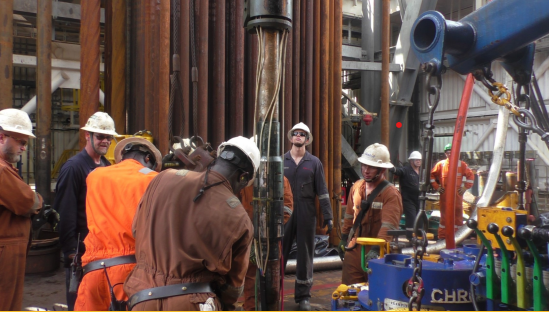
Technology enhances human performance when paired with strong leadership.
Examples of Tech-Enabled Safety Leadership
Wearable Sensors: Track worker fatigue, temperature, and heart rate.
AI Predictive Analytics: Anticipate potential safety breaches.
Digital Twins: Allow leaders to simulate emergencies and train teams effectively.
Drones and Robotics: Reduce exposure to high-risk inspection tasks.
While these innovations reduce human exposure to danger, leadership ensures they’re used responsibly and effectively.
Training the Next Generation of Safety Leaders
Safety leadership is a learned skill one that must be nurtured through mentorship and education.
Training programs now include:
Behavior-Based Safety Leadership (BBSL): Teaching managers to identify and influence safe behaviors.
Human Factors Engineering: Understanding how people interact with equipment and environments.
Scenario-Based Leadership Training: Using real-world emergencies to build decision-making confidence.
Digital Safety Management Courses: Preparing leaders to interpret AI and data-driven safety systems.
Platforms like Coursera and edX offer specialized online modules in leadership and human factors, accessible to offshore professionals worldwide.
Measuring the Impact of Safety Leadership
How do companies know their leadership efforts are working? Through metrics that go beyond simple accident counts.
Key Indicators of Strong Safety Leadership
Reduction in near-misses and unsafe behaviors.
Increased employee engagement in safety discussions.
Higher training completion rates.
Lower turnover in offshore staff.
Positive audit results from independent regulators.
Modern analytics tools aggregate this data to give managers real-time visibility into both performance and morale.
The Offshore Energy Transition and Safety
As the industry moves toward renewables and decarbonization, safety leadership remains essential. Offshore wind, hydrogen, and carbon capture projects introduce new hazards high-voltage systems, heavy-lift installations, and chemical storage.
Veterans from oil and gas are bringing decades of offshore safety knowledge to these new frontiers. Their leadership ensures that sustainability and safety evolve hand in hand.
The future offshore leader will be part engineer, part mentor, and part innovator blending human insight with advanced technology to keep crews safe and productive.
Challenges Facing Safety Leaders
Even the strongest leaders face obstacles in maintaining offshore safety culture.
Common Challenges
Complacency: Long periods without incidents can lead to overconfidence.
Crew Fatigue: Extended shifts strain focus and morale.
Rapid Technological Change: Requires constant upskilling.
Cultural Diversity: Differing safety norms in multinational crews.
Remote Oversight: Leaders managing teams across global platforms.
Great leaders confront these challenges head-on through empathy, adaptability, and relentless commitment to learning.
The Future of Offshore Safety Leadership
Looking ahead, offshore safety leadership will be data-informed, emotionally intelligent, and globally connected.
AI-powered dashboards will help leaders monitor crew safety and performance.
Virtual reality (VR) will provide immersive leadership training for crisis management.
Hybrid energy platforms will demand versatile leaders who can manage both fossil and renewable operations safely.
Global collaboration networks will share best practices across borders.
Safety leadership will evolve from a management function to a strategic advantage determining not only safety outcomes but also productivity and reputation.
The offshore energy sector is built on courage, precision, and trust. But none of that matters without leadership the human factor that turns safety policies into lived reality.
Technology can predict danger, automation can reduce exposure, and data can guide decisions but it’s leadership that inspires people to care, act, and protect one another.
As the industry transforms for a sustainable future, the measure of success won’t just be barrels produced or megawatts generated, it will be how safely and responsibly those achievements are made.
In offshore energy, safety leadership isn’t just a role, it’s a legacy.