



The Rise of Renewable Jobs in Oil & Gas: Transitioning into Green Careers

The energy industry is in the midst of a historic transformation. As the world shifts toward sustainable energy, the oil and gas sector is no longer just about hydrocarbons, it’s becoming a key driver of renewable innovation. For professionals working in traditional oil and gas, this means new opportunities to transition into green careers without leaving the industry altogether.

Why Oil & Gas Companies Are Moving Toward Renewables

The push for renewable energy within oil and gas is driven by multiple factors:

  • Global climate agreements demanding carbon reduction.

  • Investor pressure for stronger ESG (Environmental, Social, Governance) commitments.

  • Government incentives for clean energy projects.

  • Public demand for sustainable energy sources.

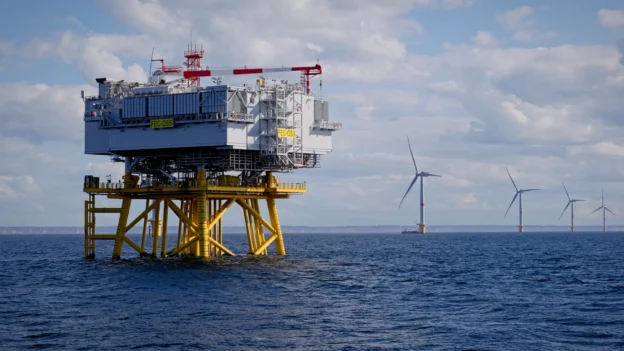
Companies like BP, Shell, and TotalEnergies are investing billions into wind, solar, hydrogen, and biofuel projects, creating thousands of new jobs in the process.

Types of Renewable Jobs Emerging in Oil & Gas

The renewable transition is not just about engineers, it spans across multiple disciplines.

Job RoleRenewable ApplicationTransition Path
Offshore TechnicianWind farm operationsSimilar to offshore rig work
Petroleum EngineerGeothermal energy developmentUses drilling and reservoir skills
ElectricianSolar installation and maintenanceRequires certification upgrades
Data AnalystSmart grids and efficiency systemsBuilds on oilfield data analysis
Project ManagerRenewable project developmentApplies oil and gas leadership experience

Reskilling and Certifications for Green Careers

Transitioning requires new skills and certifications. Some of the most valuable include:

  • Global Wind Organisation (GWO) Training – for offshore wind roles.

  • Solar PV Installation Certifications – offered by bodies like NABCEP.

  • Hydrogen Safety Training – critical for emerging hydrogen projects.

  • NEBOSH Environmental Management – for HSE professionals moving into renewables.

These certifications help oil and gas professionals bridge the gap between their existing expertise and renewable requirements.


The Role of Transferable Skills

The good news? Oil and gas workers already possess many transferable skills.

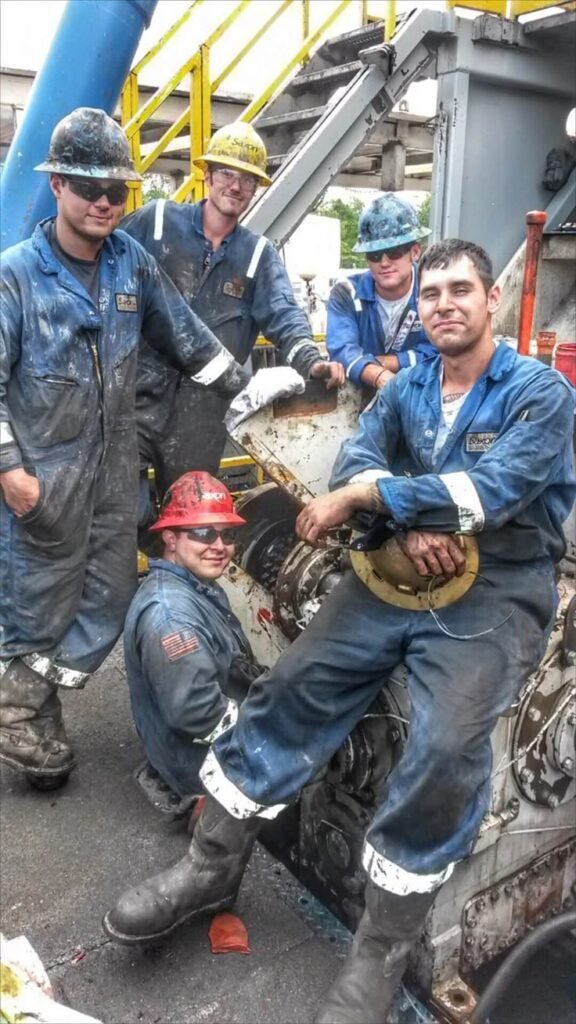
  • Rig workers have strong offshore safety and technical experience, ideal for offshore wind.

  • Drilling engineers can shift into geothermal energy projects.

  • HSE professionals are in demand across all energy sectors.

  • Logistics and supply chain managers can support renewable projects globally.

This makes the transition smoother than starting from scratch in a completely new industry.

Geographic Hotspots for Renewable Careers

Certain regions are becoming global hubs for renewable opportunities:

  • United States – Offshore wind projects along the East Coast and solar hubs in Texas and California.

  • North Sea (UK & Norway) – Rapid growth in offshore wind farms.

  • Germany & Netherlands – Leaders in hydrogen and wind innovation.

  • Middle East – Expanding investments in solar and green hydrogen.

Workers with oil and gas experience in these regions are especially well-placed to transition.


Challenges in the Transition

Despite the opportunities, there are challenges:

  • Skill gaps requiring additional training.

  • Uncertainty about long-term career stability in renewables.

  • Cultural shift from traditional oil operations to greener projects.

However, as investment continues to grow, these challenges are being addressed through government programs, industry initiatives, and corporate training investments.


Preparing for the Green Future

To succeed in this transition, professionals should:

View on the rooftop solar power plant with two engineers walking and examining photovoltaic panels. Concept of alternative energy and its service[/caption]

  • Invest in training and certifications early.

  • Network within renewable energy circles through conferences and LinkedIn groups.

  • Stay informed on emerging technologies like hydrogen, geothermal, and storage solutions.

  • Be flexible to relocate or work across hybrid oil and renewable projects.

The rise of renewable jobs within oil and gas marks a new era for the energy workforce. Rather than replacing traditional careers, renewables are creating new opportunities for oil and gas professionals to evolve, reskill, and remain at the forefront of the global energy industry.

For those willing to adapt, the future is not about choosing between oil and gas or renewables, it’s about thriving in a diversified, sustainable energy landscape.

Leave a Reply

Your email address will not be published. Required fields are marked *