



Working offshore in the oil and gas industry is both rewarding and challenging. Crews often operate in harsh, unpredictable environments where safety must come first. From heavy machinery to extreme weather, the risks offshore workers face are unlike any other workplace.
To keep operations safe and efficient, oil and gas companies enforce strict safety measures, training programs, and technologies. In this article, we’ll break down the top 10 offshore safety risks and explain how crews stay protected.
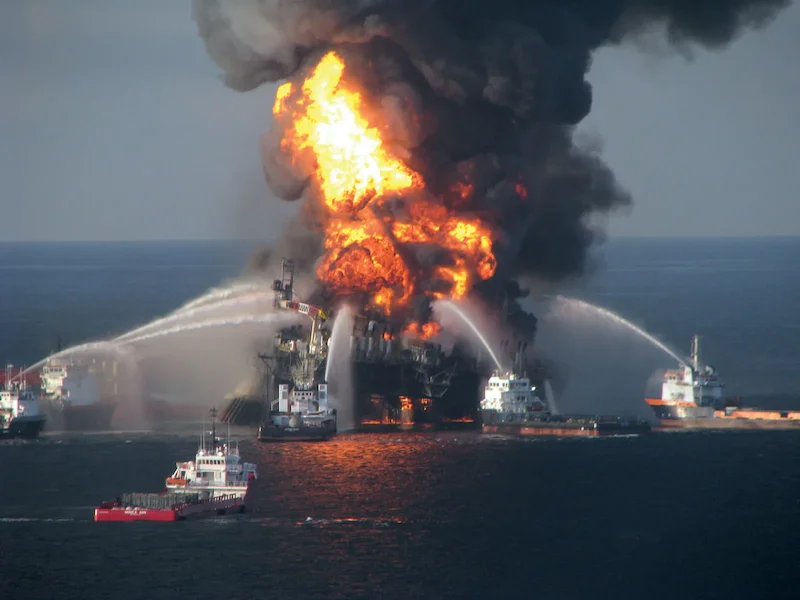
Fire and Explosions
The risk: Offshore platforms store and process flammable materials. Even a small spark can cause a major fire or explosion.
How crews stay protected:
Strict control of ignition sources
Regular gas detection monitoring
Firefighting systems and emergency drills
Blowouts and Well Control Incidents
The risk: A blowout occurs when uncontrolled pressure forces oil or gas to escape from the well, potentially leading to disaster.
How crews stay protected:
Blowout preventers (BOPs) installed on wells
Specialized well-control training
Strict drilling safety procedures
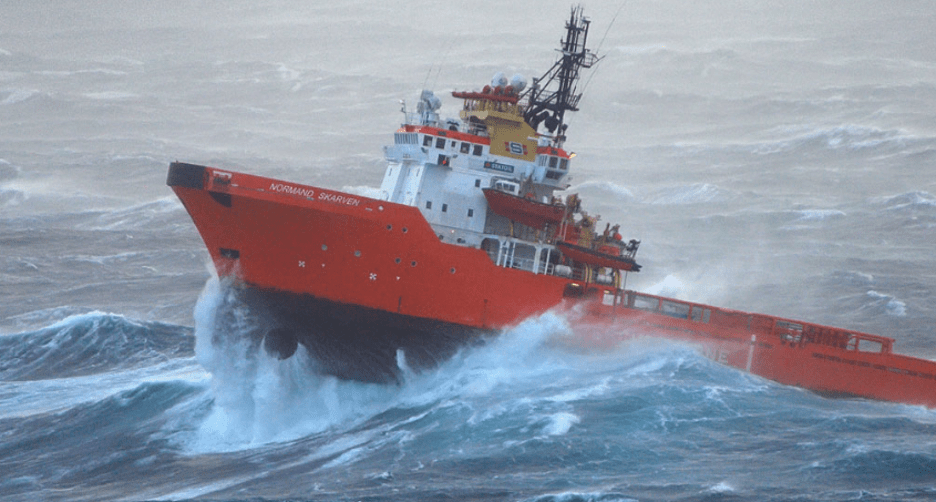
Extreme Weather and Harsh Seas
The risk: Hurricanes, storms, and rough seas can damage rigs and endanger workers.
How crews stay protected:
Weather monitoring systems
Rig evacuation protocols
Structural reinforcement of offshore platforms
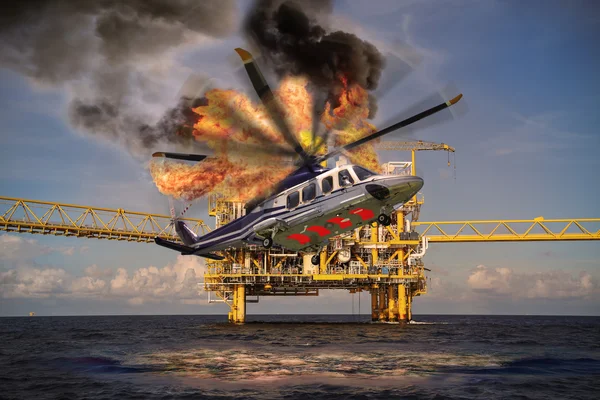
Helicopter and Transportation Hazards
The risk: Offshore crews often travel by helicopter or boat, where accidents can happen during takeoff, landing, or transfer.
How crews stay protected:
Helicopter Underwater Escape Training (HUET)
Life jackets and immersion suits
Strict transportation safety checks
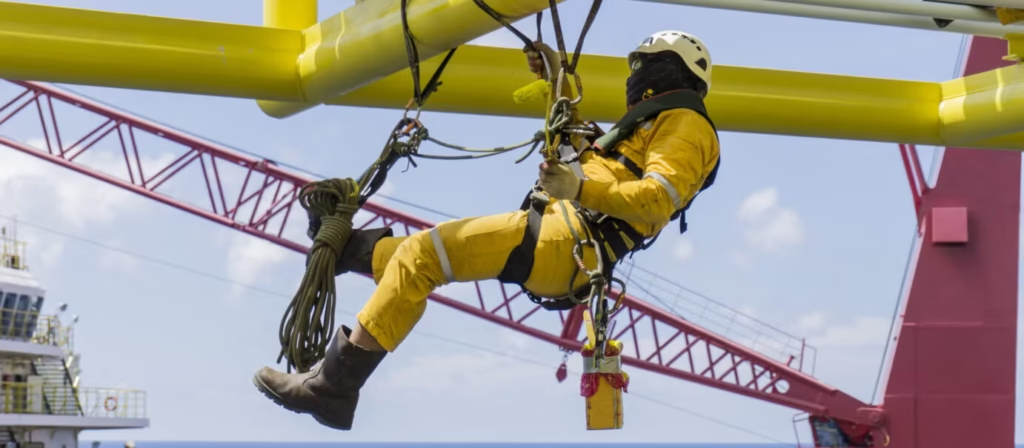
Falls from Height
The risk: Platforms and rigs have multiple decks, ladders, and open work areas where falls can be fatal.
How crews stay protected:
Harnesses and fall-arrest systems
Guardrails and safety nets
Rigorous working-at-heights training
Slips, Trips, and Falls
The risk: Wet, oily, or cluttered surfaces make slips and trips one of the most common offshore injuries.
How crews stay protected:
Non-slip flooring and footwear
Regular housekeeping and spill cleanup
Clear walkways and signage
Chemical Exposure
The risk: Workers handle toxic chemicals, drilling fluids, and hydrogen sulfide (H2S) gas, which can cause severe health issues.
How crews stay protected:
H2S and chemical safety training
Personal protective equipment (PPE)
Continuous air quality monitoring
Machinery and Equipment Accidents
The risk: Heavy machinery, cranes, and rotating equipment can cause crushing or entanglement injuries.
How crews stay protected:
Lockout/tagout procedures
Machine guarding systems
Hands-free lifting practices
Fatigue and Long Shifts
The risk: Offshore crews often work 12-hour shifts for weeks at a time, leading to fatigue that increases accident risks.
How crews stay protected:
Enforced rest and rotation schedules
Wellness and fatigue management programs
Encouraging a safety-first reporting culture
Evacuation and Emergency Response Challenges
The risk: In the event of fire, explosion, or structural damage, evacuating offshore facilities is complex and dangerous.
How crews stay protected:
Regular lifeboat and evacuation drills
Muster points and emergency response teams
Clear communication and alarm systems
Offshore work will always carry risks, but with rigorous safety training, strict compliance, and advanced technology, crews can minimize dangers and protect lives. The oil and gas industry has come a long way in prioritizing worker safety, but the key lies in constant vigilance and a strong safety culture.
Every worker, from the roustabout to the rig manager, plays a vital role in ensuring that offshore operations remain safe, efficient, and sustainable.