



The oil and gas industry is one of the most hazardous sectors in the world. Workers face extreme conditions, heavy machinery, volatile chemicals, and high-pressure operations every day. In such an environment, safety isn’t optional, it’s a necessity.
Safety training is the backbone of risk prevention, protecting not only workers but also entire communities and the environment. Without proper training, even small mistakes can lead to catastrophic accidents.
The High-Risk Nature of Oil & Gas Work
From offshore rigs to refineries, workers face unique challenges:
Explosive and flammable materials
Confined spaces and high-pressure equipment
Harsh weather and remote environments
Long shifts leading to fatigue and reduced alertness
Safety training equips workers to handle these risks with confidence and discipline.
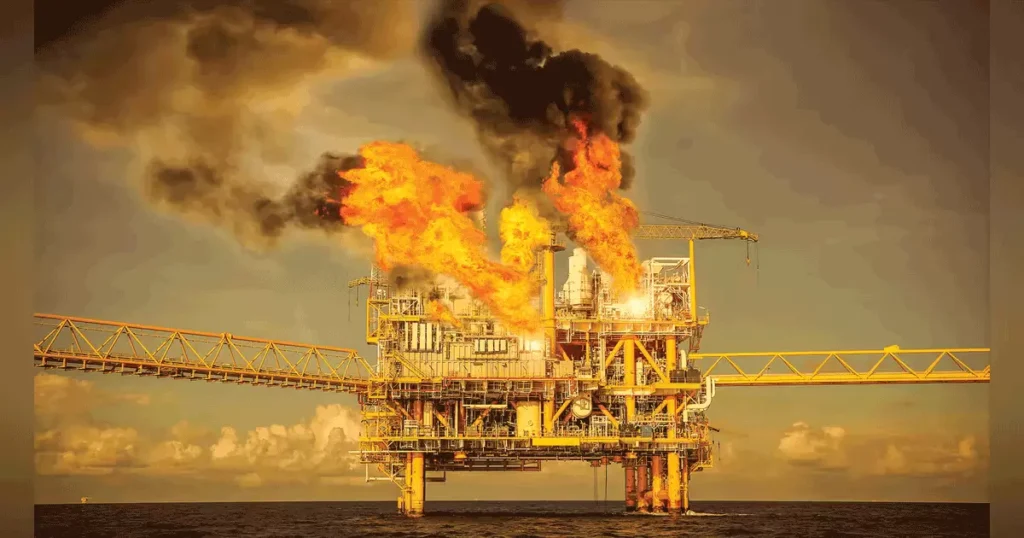
Preventing Accidents and Saving Lives
The primary goal of safety training is to protect human lives.
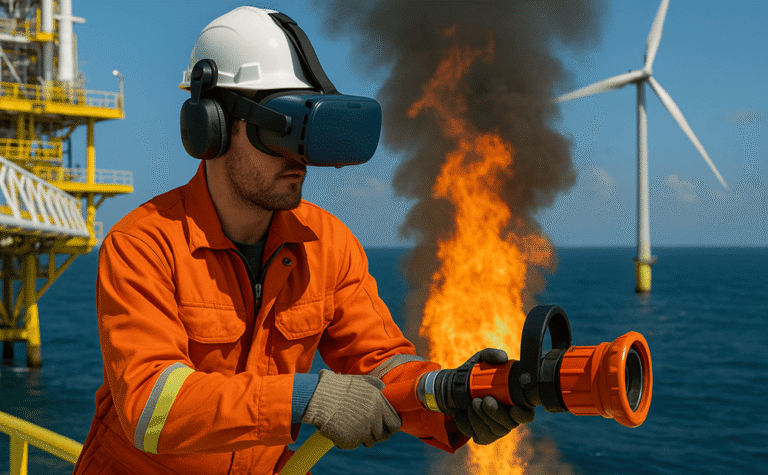
Fire and explosion training prepares workers to act quickly in emergencies.
First aid training ensures immediate response to injuries before professional help arrives.
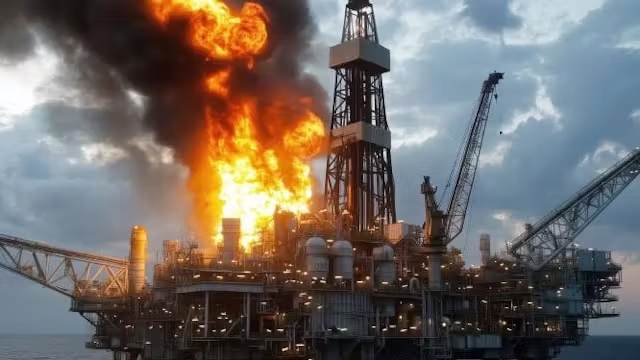
Rig evacuation drills save lives in catastrophic events like blowouts or storms.
Every worker becomes part of a safety net that prevents accidents from escalating into tragedies.
Meeting Legal and Regulatory Requirements
The oil and gas industry is governed by strict safety regulations worldwide. Non-compliance can result in heavy fines, legal liability, and even shutdowns.
Examples of required certifications:
BOSIET (Basic Offshore Safety Induction & Emergency Training) for offshore workers
HUET (Helicopter Underwater Escape Training) for helicopter transport
H2S Safety Training for hydrogen sulfide exposure risks
OSHA and NEBOSH Certifications for workplace safety standards
Protecting the Environment
Oil spills, gas leaks, and uncontrolled blowouts don’t just harm workers—they can devastate marine life, communities, and ecosystems.
Safety training ensures workers know how to:
Prevent leaks and spills through proper handling procedures
Use containment systems effectively
Respond swiftly to environmental hazards
By preventing accidents, companies protect both people and the planet.

Reducing Operational and Financial Risks
Accidents are costly. Beyond immediate medical expenses, oil and gas companies may face:
Legal claims and compensation
Equipment damage and downtime
Loss of investor confidence
Reputational damage in the global market
Investing in training is far less costly than dealing with the aftermath of an accident.
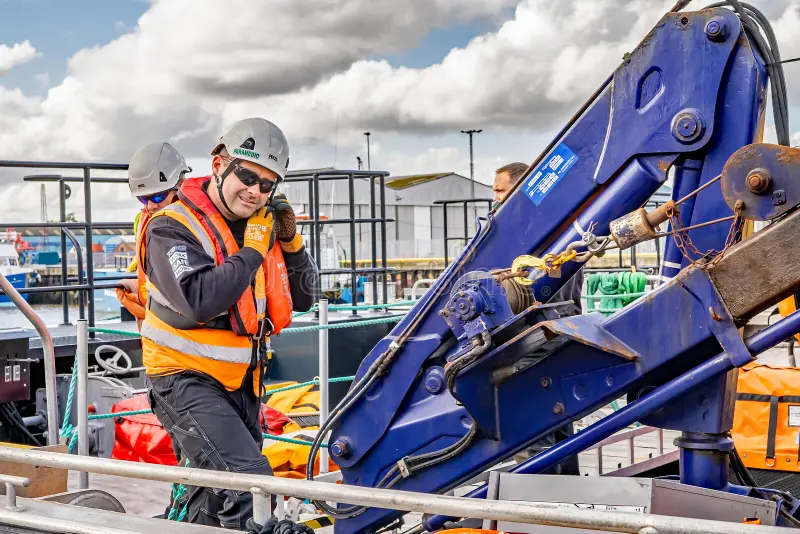
Building a Strong Safety Culture
Safety training does more than teach procedures, it builds a culture of accountability. When workers at every level value safety, accidents decrease, and teamwork strengthens.
Key aspects of a strong safety culture:
Leadership commitment: Managers lead by example.
Continuous training: Regular refreshers keep knowledge sharp.
Peer accountability: Workers look out for each other.
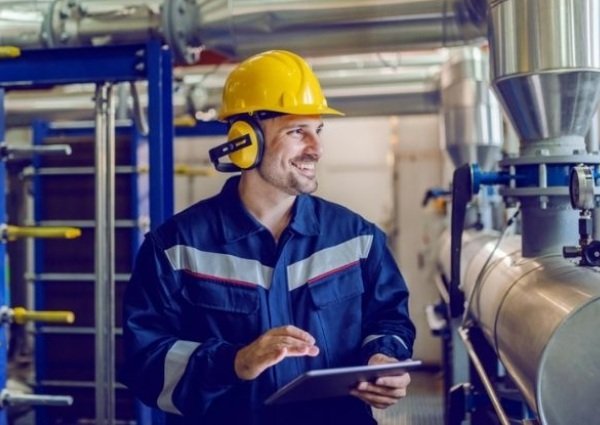
Preparing for the Energy Transition
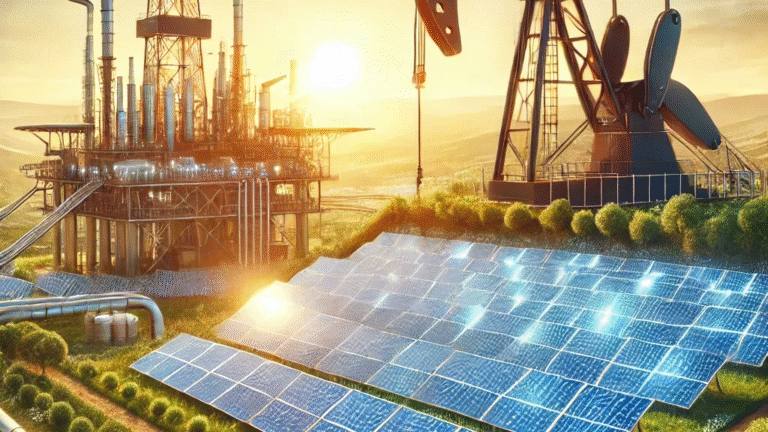
As the industry evolves toward renewables and digital technologies, safety remains critical. New equipment, new processes, and new energy sources bring different risks. Continuous training ensures that safety standards evolve alongside innovation.
In oil and gas, safety training is not a box to tick, it’s a lifeline. It protects workers, prevents disasters, meets regulatory standards, and saves companies from devastating losses. Most importantly, it ensures that every worker goes home safely at the end of the day.
The energy industry may change, but the rule remains the same: safety is non-negotiable.