


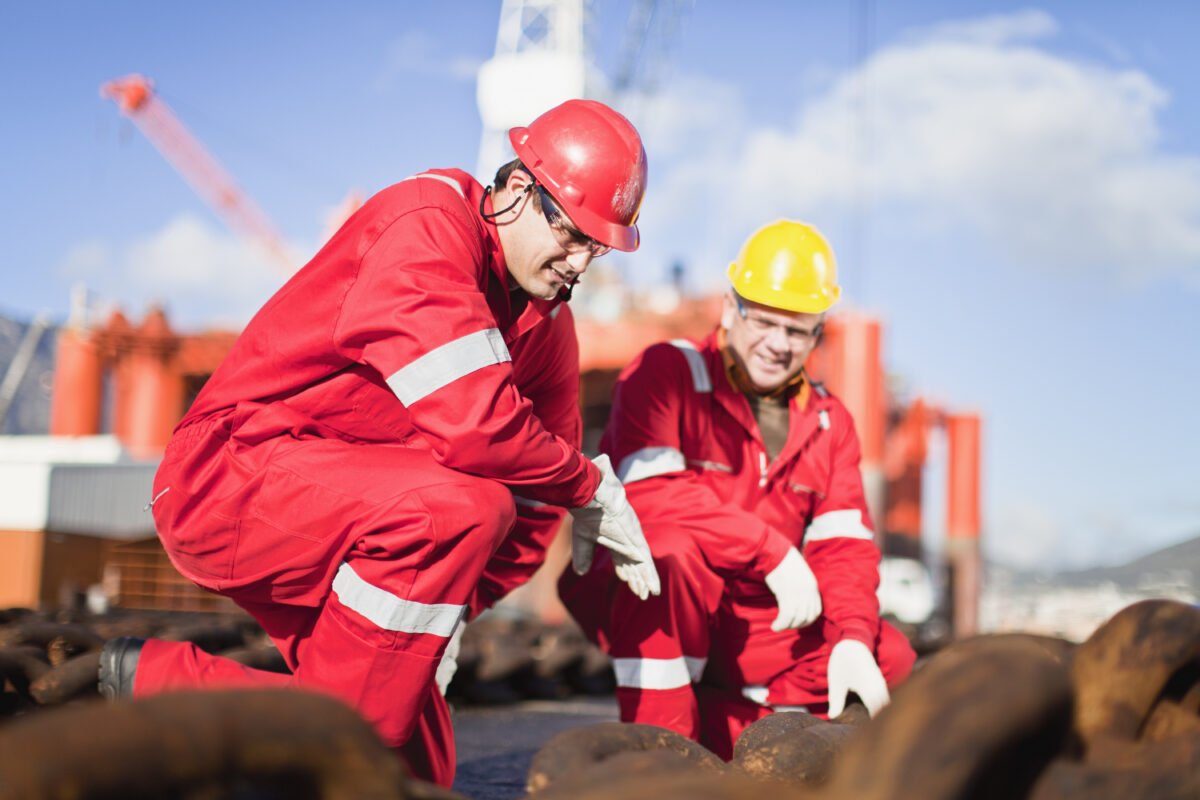

The oil and gas industry is one of the most vital sectors in the global economy, but it is also one of the most hazardous. Workers face extreme conditions, heavy machinery, explosive materials, and remote job sites every day. For this reason, safety training is not just important, it’s non-negotiable.
Proper training not only saves lives but also ensures operational efficiency, reduces downtime, and protects company reputations. According to the International Association of Oil & Gas Producers (IOGP), most workplace incidents can be traced back to human error, many of which are preventable through structured safety programs.
The Unique Risks in Oil & Gas
Unlike most industries, oil and gas workers deal with a unique combination of risks:
Explosions and Fires: Flammable gases and liquids make this one of the highest explosion-risk industries.
Confined Spaces: Maintenance crews often work in tanks and vessels with limited oxygen.
Heavy Equipment: Drilling rigs, cranes, and subsea tools pose serious injury risks.
Remote Locations: Offshore rigs or desert operations mean medical help isn’t always nearby.
Chemical Exposure: Contact with toxic gases like hydrogen sulfide can be fatal without training.
Given these dangers, organizations such as OSHA (Occupational Safety and Health Administration) and API (American Petroleum Institute) set strict safety guidelines.

Why Safety Training is a Legal Requirement
Governments worldwide impose mandatory safety training to protect workers and minimize corporate liability.
In the United States, OSHA requires oil and gas companies to train employees on hazard communication, emergency response, and equipment safety.
In the United Kingdom, offshore workers must complete the Basic Offshore Safety Induction and Emergency Training (BOSIET) certification.
In the Middle East, regulators mandate HSE (Health, Safety & Environment) compliance before any employee sets foot on a rig.
Companies that ignore training requirements face hefty fines, shutdowns, and legal action.
The Human Cost of Skipping Training
The consequences of inadequate training go far beyond compliance issues. Lives are at stake.
In 2010, the Deepwater Horizon disaster killed 11 workers and spilled millions of barrels of oil into the Gulf of Mexico. Investigations revealed insufficient training was a contributing factor.
Falls, equipment failures, and chemical leaks account for thousands of injuries annually, many of which could have been prevented with the right knowledge.
Safety training is not a box to tick, it’s a life-saving investment.
Types of Safety Training in Oil & Gas
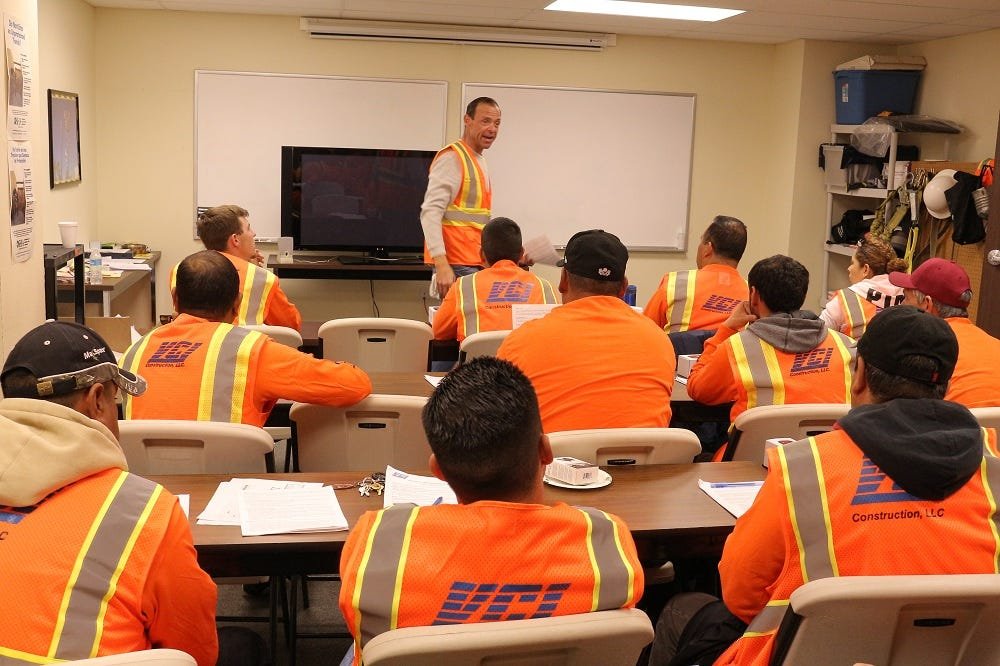
Different roles require different training modules. Some of the most common include:
Offshore Survival Training
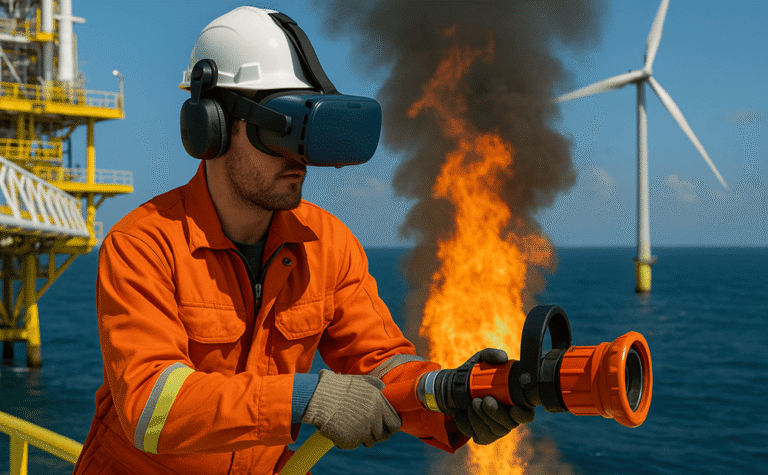
Covers helicopter underwater escape, sea survival, and firefighting.
Hazardous Materials (HAZMAT) Training
Teaches workers how to handle chemicals safely and use personal protective equipment (PPE).
First Aid & Emergency Response
Critical for offshore and remote workers who may be the first responders in emergencies.
Fire Safety & Explosion Control
Covers fire suppression, evacuation procedures, and handling flammable substances.
Mechanical & Electrical Safety
Ensures technicians understand lockout/tagout procedures and safe equipment handling.
Digital Safety & AI Systems
With more automation, workers need training on AI-driven safety monitoring systems.
How Safety Training Impacts Salaries
Interestingly, safety training is not just about compliance, it also affects how much you earn.
Entry-Level Workers (Roustabouts, Assistants): Those with basic certifications like BOSIET or H2S Awareness earn 10–20% more than untrained peers.
Supervisors & Safety Officers: Certified HSE officers can make $90,000–$120,000+ annually.
Specialists (Fire & Rescue, Hazard Control): These roles often command premium offshore pay packages.
Employers reward workers with specialized safety skills because they reduce risks and insurance costs.
The Role of Technology in Safety Training
AI and digital tools are making safety training more effective:
Virtual Reality (VR): Companies like Shell use VR to simulate offshore emergencies.
AI Predictive Analytics: Tools forecast accident risks based on worker performance.
Wearable Tech: Smart helmets and sensors alert workers to toxic gas leaks or fatigue.
Digital transformation ensures that training is immersive, data-driven, and continuously updated.
Safety Training as a Career Booster
Beyond compliance and salary, safety training opens career doors.
Global Mobility: Certifications like BOSIET or NEBOSH are recognized worldwide.
Promotions: Supervisory and management roles often require advanced HSE certifications.
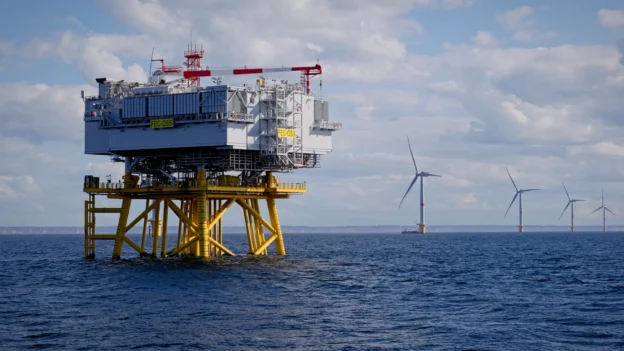
Transition to Renewables: Safety-trained oil and gas workers are in demand in wind, solar, and hydrogen projects.
Investing in safety skills means long-term employability in an evolving energy market.
Company Benefits of Mandatory Safety Training
From a corporate perspective, safety training provides measurable benefits:
Reduced Accidents: Fewer injuries mean less downtime and lower insurance premiums.
Operational Efficiency: Workers trained in proper procedures make fewer mistakes.
Improved Reputation: Companies with strong safety cultures attract top talent.
Regulatory Compliance: Avoiding penalties and shutdowns ensures steady operations.
According to Celavasans International Petroleum, safety is one of the top priorities in oil and gas workforce development, and companies that invest in training see significant returns in productivity.
Common Safety Certifications in Oil & Gas
Here are the most in-demand safety certifications that every oil and gas professional should know:
| Certification | Provider | Purpose |
|---|---|---|
| BOSIET | OPITO | Offshore survival training |
| HUET | OPITO | Helicopter escape training |
| NEBOSH | NEBOSH | Global health & safety qualification |
| H2S Safety | Various | Hydrogen sulfide hazard training |
| OSHA Safety | OSHA | U.S. compliance training |
| First Aid/CPR | Red Cross, St. John | Emergency response |
Workers with multiple certifications have higher job security and salary potential.
The Future of Safety Training in Energy
Looking ahead, safety training will only grow more important.
AI-Driven Monitoring: Real-time safety tracking will require workers to be trained in digital systems.
Green Energy Projects: Offshore wind farms and hydrogen plants carry similar risks to oil and gas.
Remote Learning: Online platforms are making safety courses more accessible worldwide.
Continuous Training: Regulators are moving toward yearly re-certification to keep skills sharp.
In oil and gas, safety is not an option, it’s a survival necessity. Workers face risks unlike any other industry, and the only way to minimize them is through rigorous training. From life-saving survival courses to AI-driven monitoring systems, safety education ensures that both people and companies thrive.
For employees, safety training means higher salaries, stronger career growth, and international opportunities. For employers, it means fewer accidents, reduced liability, and long-term profitability.
At the end of the day, the message is simple: safety training isn’t just mandatory, it’s the foundation of the energy industry’s future.